Trump's Iran "60-Day" Clock: A Deal Built to Run Out the Clock
Donald Trump claims a signed agreement with Tehran and a 60-day runway. The wording, the contradictions, and what the wire actually shows suggest something narrower — and uglier.
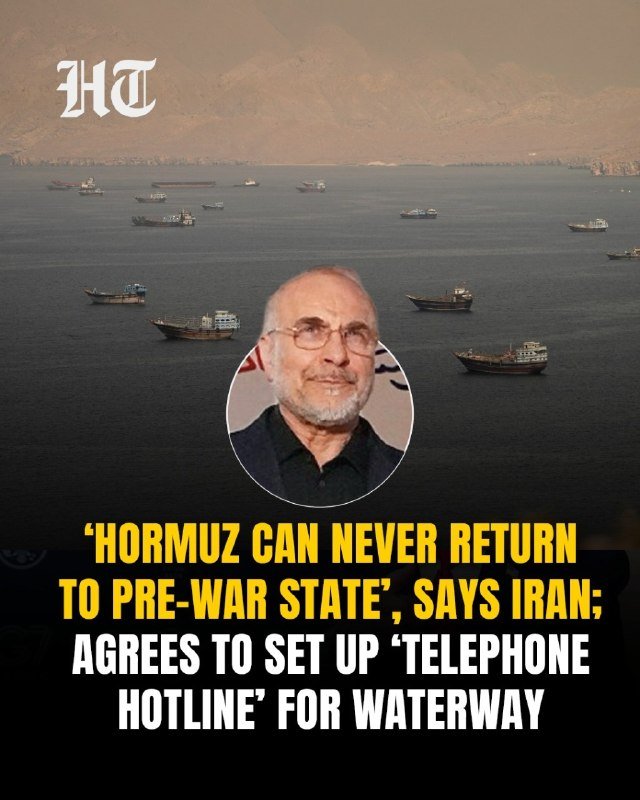
At 04:31 UTC on 19 June 2026, the account @unusual_whales posted that President Donald Trump "said he signed an agreement with Iran Wednesday." Eight hours later, Trump was on his own feed of choice declaring the opposite tone: "We didn't meet out of desperation, Iran did. They are FINISHED! We'll play out the 60 days. They get no money, not ten cents!" That gap — between "signed an agreement" in the morning and "they are finished" by afternoon — is the story.
The brashness of the second statement is doing a lot of work. It performs toughness for a domestic audience, but it also pre-emptively lowers expectations for whatever paper was actually signed. A "60-day" runway is not a peace process. It is a deferral, and deferrals in this file have a habit of expiring into something worse.
What the wire actually shows
Two things are simultaneously true in the public record. First, the unusual_whales post at 04:31 UTC, linking to the outlet's own write-up on US-Iran terms, indicates an agreement was initialed around midweek. Second, Trump's own televised remarks, as relayed by the GeoPolitical Watch and Clash Report Telegram channels at 12:49 and 12:52 UTC, frame that agreement as a victory march against a defeated adversary, with Tehran getting nothing in cash and a hard two-month horizon.
These cannot both be the whole truth. Either the document binds Washington to relieve some pressure on Iran — in which case "they get no money" is rhetorical scaffolding — or the document is mostly cosmetic, in which case "signed an agreement" is the rhetorical scaffolding. The likeliest read, on the evidence available, is the latter: a face-saving instrument that pauses escalation without moving any of the underlying numbers.
The "60 days" problem
Short clocks are not unusual in this negotiation track. They have, however, been unusual in their consequences. A two-month runway is long enough to drift past a news cycle and short enough that neither side has to make the politically expensive concession of giving anything up. It is, in effect, an option contract on the next crisis — priced at zero, with the premium paid by the global oil market and any foreign ministry that has to plan around the answer.
The "not ten cents" line is the giveaway. Treasury relief, even partial, is the one thing Iran actually needs from a deal. Denying it in the same breath as announcing the deal tells you the deal does not, in fact, deliver it. What it does deliver is the political benefit, on both sides, of being able to say talks are ongoing.
The counter-read: maybe this is the point
The charitable interpretation is that the brashness is a negotiating posture, not a description of the document. Deals of this shape often get announced with maximal bluster and then quietly implemented through the back channels — oil sales routed through intermediaries, sanctions licences issued to specific buyers, central-bank funds unfrozen at the margin. Under that read, "they get no money" is what the cameras hear, and "some money, eventually, structured carefully" is what the spinners hear.
This publication is sceptical of that read. The Iran file under this administration has run on posture rather than structure for years, and the structural reforms that would make a deal durable — a clear sanctions-for-enrichment swap, IAEA access calibrated to verification, a credible escrow mechanism — are absent from the public reporting on this round. Without them, a 60-day clock is not a step toward a deal; it is a step toward the next round of escalation, with both sides having pocketed a short-term political win.
What remains genuinely uncertain
The sources disagree on the basics. The morning post, citing the unusual_whales write-up, treats the document as real and signed. The afternoon clips show the principal negotiator publicly disclaiming the substantive concession that would make the document worth signing. The wire has not, as of these timestamps, published the text of the agreement or the joint statement that would normally accompany one. Until that text exists, every claim about what was conceded — by either side — is a forecast dressed as reporting.
What can be said with confidence is narrower. There is a document. There is a 60-day timeline. There is no cash flowing. The rest is posture, and posture is what blows up when the clock runs out.
*Desk note: Monexus treated this as a framing story rather than a deal story. The wire on 19 June had a signed document in the morning and a denial of substance in the afternoon; the honest read is that the document is a pause, not a settlement, and the body reflects that.
Wire provenance
This editorial synthesis draws on the following public wire/social posts:
- https://t.me/s/GeoPWatch
- https://t.me/s/ClashReport
Follow the event.
These dated source records provide context. They do not retrospectively verify this archive article.
Separate what the nuclear watchdog reported from what it could not determine after the June 2025 strikes.