Wyndham Clark seizes four-shot US Open lead as Shinnecock bares its teeth
An eagle at the par-four 5th gave Wyndham Clark a four-shot cushion at a wind-torn Shinnecock Hills, with Rory McIlroy and Scottie Scheffler still in touching distance after a brutal opening day.
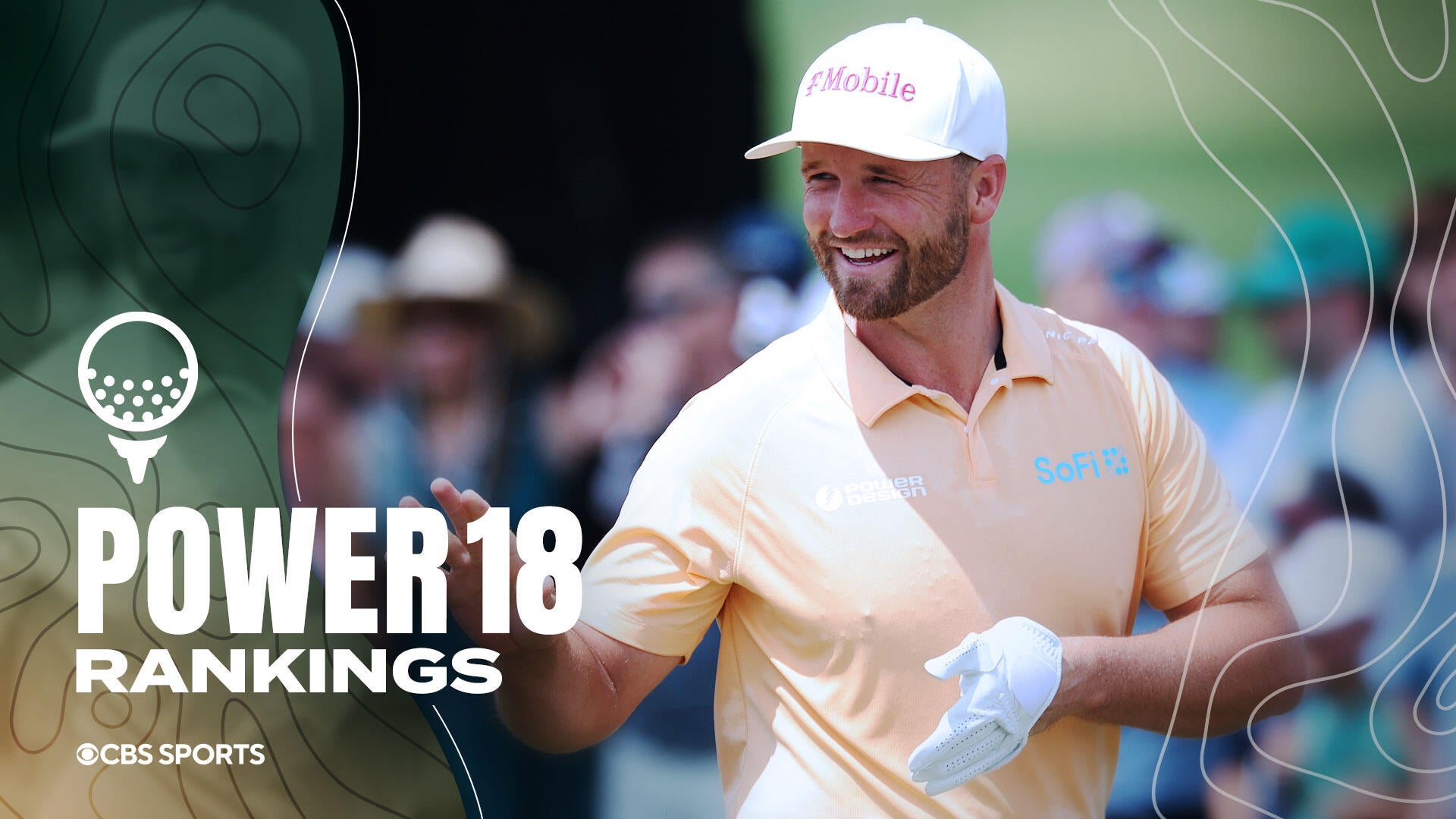
Play was suspended for darkness at Shinnecock Hills at around 02:14 UTC on 19 June 2026 with Wyndham Clark four shots clear of the field and still two holes shy of completing his first round. The 2023 US Open champion had charged into the clubhouse lead with an eagle at the par-four 5th — his 14th hole — and looked, for a brief window on a wind-blasted Long Island afternoon, like a man playing a different course from everyone else. With the restart scheduled for Friday morning, the overnight cushion is the largest 18-hole lead at this championship in recent memory, and it sets up a Friday in which a major can be quietly won or lost before the weekend even begins.
Clark's four-shot advantage is less a story of brilliance than of attrition. Shinnecock Hills, restored to something close to its 2018 U.S. Open cruelty by a freshening westerly, punished nearly every ball hit offline. Of the game's biggest names, only Rory McIlroy looked genuinely at ease, posting a one-under 69 that would have been the clubhouse lead had Clark not run off four birdies and an eagle in a six-hole stretch. Scottie Scheffler, still chasing the career Grand Slam, called the test a "great battle" and ground out an even-par 70. Everyone else of consequence leaked shots into the fescue and signed for numbers that will not be read aloud in highlights packages.
A course designed to embarrass
Shinnecock's reputation as one of golf's sternest examinations is not folklore. The 2018 U.S. Open, won by Brooks Koepka at one over par, was contested on a layout so severe that the USGA briefly lost control of its greens. This time the wind did the USGA's work for it, gusting consistently above 20 mph and turning approach shots into guesses. The opening round, originally scheduled for Thursday morning local time, was delayed by fog and did not begin until late afternoon, compressing the day's play and forcing the suspension that leaves Clark with two holes to finish when competition resumes at Shinnecock on Friday.
The leaderboard reflects the hostility. Of the marquee groups to finish, only McIlroy broke 70. Scheffler's even-par card was described as a small victory in the conditions. World No. 1-class players who normally separate themselves on U.S. Open setups found themselves scrambling for par, a pattern that recurs whenever the USGA lets Shinnecock run hot and the wind comes off the bay. Friday morning's conclusion of Clark's first round — and the full second round that follows — will tell us whether this is a one-day fluke or the kind of major where par is a scorecard worth framing.
McIlroy's quiet 69, and what it might mean
McIlroy's opening round at Shinnecock was a reminder that his best golf still travels. He made a fast start and held the early clubhouse lead before a costly finish — three bogeys in his final four holes, according to the opening-round summaries — dropped him back to one under. That he remains within four of Clark, and ahead of the bulk of the field, is the relevant fact. McIlroy has not won a major since 2014; he has finished in the top ten often enough to keep the question alive, and a U.S. Open at a course that rewards patience and length fits his profile. The question is whether Friday's conditions allow him to keep pace with a leader who has, for one round at least, been playing with a margin.
Scheffler's 70 was less spectacular but no less important for the tournament's second tier. A second major of 2026 — and the leg that would complete the career Slam — begins with surviving a day few others survived unscathed. He has done that. Whether he can build on it depends on how Shinnecock evolves over the next 48 hours, and on whether the wind relents.
What Friday is actually for
Friday at a U.S. Open is rarely the day the tournament is decided; it is the day the field is winnowed. With roughly half the first round still incomplete when darkness fell, and a full second round to follow, the USGA faces a logjam that will push tee times into the early evening and probably split the field across both Friday and Saturday mornings. The leader's two unfinished holes are the obvious story — Clark can shrink his advantage or extend it before the second round even begins — but the wider contest is for position behind him. McIlroy and Scheffler have that position. A dozen other names sit within five shots of the lead, a margin that looks thin on a U.S. Open Thursday and feels almost unbridgeable on a Shinnecock Friday.
The plausible counter-read is that Clark's lead is partly an artefact of the draw: he played the calmer late-afternoon window and will finish in the same conditions on Friday morning, while much of the field faces a second round in still-gusty air. That is real. It is also the kind of edge that gets spent by Saturday, when the leaders and the chase pack are playing the same course at the same hour. If Clark is still ahead on Saturday evening, the four-shot cushion will look less like a gift of the schedule and more like a statement about the state of his game.
The stakes beyond the trophy
The larger question hovering over the week is what a major at Shinnecock says about the state of American golf. Clark, when he won at Los Angeles Country Club in 2023, was treated as something of an outlier — a one-time winner breaking through at the right moment. A second U.S. Open title, three years on, would relocate him in the conversation: not a fluke, but a generational major winner, the kind of name that gets mentioned alongside the Schefflers and McIlroys of the era. For McIlroy, the arithmetic is even simpler. Eleven years without a major is not a drought by the standards of most careers; it is, by his own, an eternity. A 69 on a day when 75 played like a victory keeps the door ajar.
What remains genuinely uncertain, on the evidence available at 02:14 UTC on 19 June, is whether the wind will hold or whether Shinnecock will soften into something more conventional on Friday and Saturday. The scoreboard suggests a brutal major test. The forecast, beyond the immediate resumption, is the variable that will determine whether this U.S. Open is decided by attrition or by birdies.
How Monexus framed this: the wire coverage treated Clark's lead as the headline and McIlroy's 69 as the secondary story. We have given equal weight to Scheffler's position and to the structural question — how much of the leaderboard is the course, how much the draw, and how much the player.