Iran declares Strait of Hormuz closed, citing US and Israeli ceasefire breaches
Iran's IRGC declared the Strait of Hormuz closed on 22 June 2026 over alleged US-Israeli ceasefire breaches. Within hours, the White House and JD Vance publicly insisted the corridor remained open, with 'really big tankers' still transiting. The contradiction is now the story, and vessel tracking, i
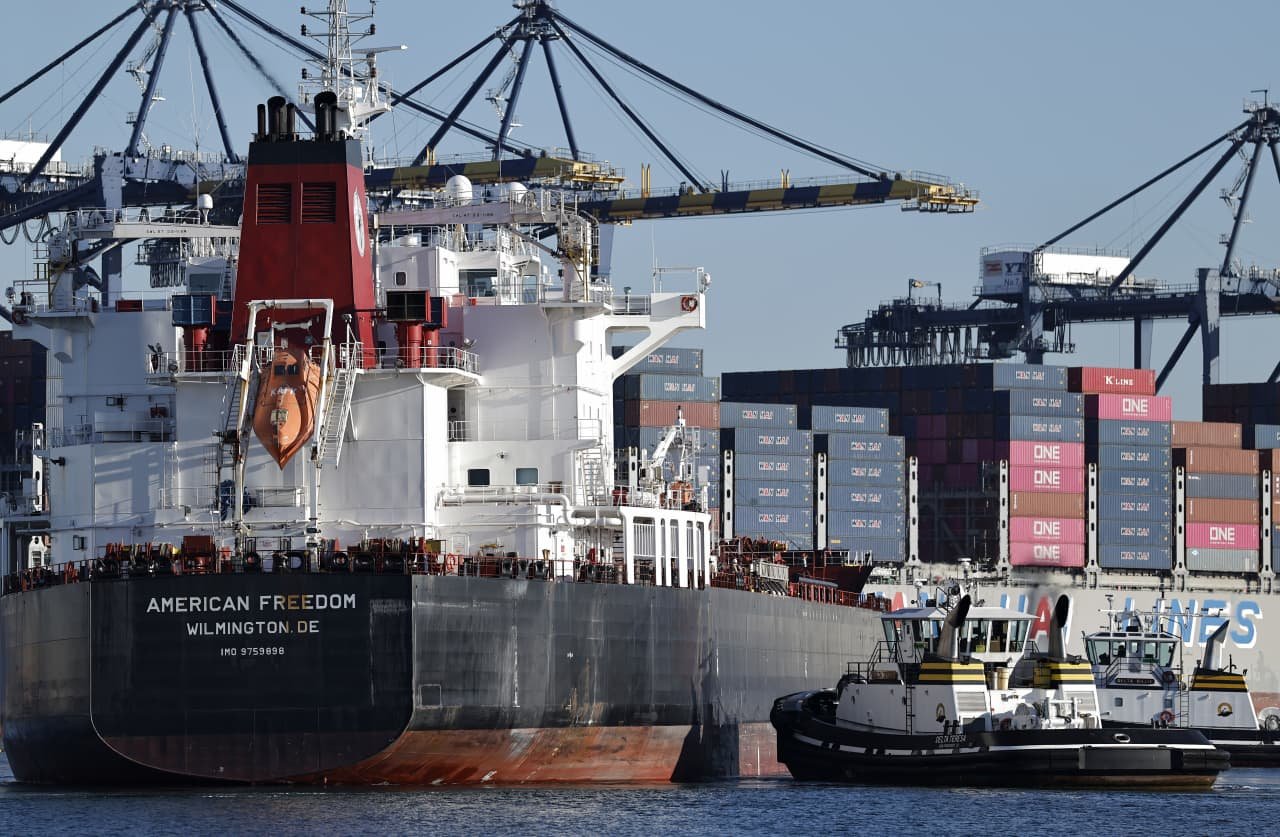
On 22 June 2026, Iran's Islamic Revolutionary Guard Corps declared the Strait of Hormuz closed to international shipping, citing alleged breaches of the US-Israeli ceasefire by Washington and Tel Aviv. The announcement, distributed through Tasnim and Fars news agency channels, framed the move as a retaliatory measure rather than a routine naval drill. Within hours, the White House and Vice President JD Vance had publicly contradicted the Iranian claim, with the administration pointing to commercial traffic still transiting the chokepoint and Vance declaring bluntly that the strait "is open."
The contradiction is the story. Iran's declaration of a closed waterway through which roughly a fifth of global oil shipments pass is, on its face, an act of economic warfare. The US insistence that "really big tankers" continue to move through the corridor is an equally deliberate signal to markets, to Gulf allies, and to Tehran itself. Both sides are now operating in the register of fait accompli: each claiming a reality that excludes the other's claim. Which reality holds will be settled by vessel tracking data over the next 24 to 72 hours, not by press conferences.
What Iran actually said
The IRGC's notice, carried by Tasnim and Fars on 22 June, warned international vessels to remain clear of the strait and framed the closure as a response to what Tehran described as ceasefire violations by the United States and Israel. The language of the declaration, reported across Telegram channels monitored by GeoConfirmed and other open-source trackers, treated the closure as both a defensive measure and an escalatory option. Tasnim, the news outlet linked to the IRGC, has historically been a primary conduit for such announcements; Fars operates in a similar orbit, with editorial direction that aligns with hardline security positions. Neither outlet constitutes independent verification, and Monexus treats the closure as a declared intent rather than a confirmed physical reality.
The choice of mechanism matters. A formal closure of the Strait of Hormuz has been threatened by Iranian officials repeatedly over the past two decades, including during periods of maximum tension over the country's nuclear programme. The difference in 2026 is that the threat is now tethered to a specific, named grievance: alleged breaches of an active ceasefire framework by the two states Iran considers its principal adversaries. That framing elevates the closure from a strategic warning shot to a contingent response, one that Tehran can argue is reactive rather than aggressive.
Washington's counter-claim
The White House response was calibrated for two audiences at once. The statement that "really big tankers" are coming through the strait was pitched at oil markets and freight desks: keep pricing in flow, do not bake in a premium for disruption. The Vance line, delivered in the same window, was pitched at Tehran: the United States does not accept the closure as a fact on the ground. The sequencing, with commercial reassurance preceding the political rebuttal, suggests an administration trying to thread the needle between de-escalation and resolve.
It also reveals the limits of declarative policy in a contested waterway. The US cannot simply announce the strait open and have Iranian naval assets, fast-attack craft, and anti-ship missile batteries along the northern shore accept the announcement as binding. The gap between a White House talking point and the operational reality faced by a VLCC's master at the narrowest point of the Gulf is the gap in which tanker insurance, freight rates, and shipping decisions are actually made.
The verification problem
This is where the wire services diverge from the announcement cycle. Iran's declaration is a statement of intent by an actor with the capacity to act on that intent. The US counter-claim is a statement of observation, but the observation has limits: commercial satellites and AIS trackers can confirm that some tankers continue to transit, but they cannot confirm whether those vessels are doing so under Iranian escort, with Iranian permission, or in defiance of an order that Tehran lacks the capacity to enforce uniformly.
The honest framing is that the record is split. Unusual Whales' aggregation of the IRGC warning and the US counter-statements captures the information environment accurately: a closure declared, a denial issued, and the physical state of the waterway somewhere between the two. Until maritime insurers revise their war-risk premiums and reroute decisions harden into data points, the truth of the strait's status is unsettled in the only way that matters for markets.
The structural stakes
Even if no vessel is physically stopped, the closure declaration has consequences. Insurance underwriters at Lloyd's and the International Group of P&I Clubs adjust war-risk premia based on declared risk, not just observed incidents. A named closure by the IRGC is precisely the kind of trigger that pushes premia higher and induces voluntary diversion around the Cape of Good Hope, regardless of whether Iranian boats actually interdict traffic. The economic effect can precede the kinetic one.
There is also the question of allied posture. Saudi Arabia, the UAE, and Oman all border the strait. Their navies have, in past episodes, coordinated with the US Fifth Fleet to keep the corridor open. Whether they publicly endorse or quietly distance themselves from the US framing will signal how durable the Western position is in a Gulf that has spent the past two years hedging between Washington and Tehran.
What to watch next
The next 48 hours will be measured in three signals. First, AIS tracking data: are transits through Hormuz holding at recent baselines, or are they falling as commercial operators route around the closure? Second, the war-risk insurance market: a revision upward by even one major underwriter would convert Tehran's declaration into a market fact regardless of what happens on the water. Third, the diplomatic cable traffic: do Gulf states publicly back the US framing, and does the IRGC follow its declaration with a visible enforcement action or retreat into ambiguity?
Tehran has built itself an off-ramp by framing the closure as conditional on ceasefire behaviour. If Washington and Tel Aviv are seen to comply with whatever terms Tehran cited, the IRGC can declare the closure lifted without losing face. If they are not, the declaration hardens into a test of capacity that neither side can afford to lose cleanly. The markets, for now, are pricing the announcement. The water will eventually price the answer.
Sources
- https://unusualwhales.com/news/iran-closes-strait-of-hormuz-israel-lebanon, Unusual Whales, "Iran closes Strait of Hormuz, Israel, Lebanon," 22 June 2026
- https://t.me/tasnimnews/, Tasnim News Agency Telegram channel (Iranian state-linked)
- https://t.me/farsna, Fars News Agency Telegram channel (Iranian state-linked)
- https://t.me/wfwitness, World Footprint Witness Telegram channel (OSINT)
- https://t.me/GeoPWatch, GeoConfirmed Watch Telegram channel (OSINT)
- https://t.me/rnintel, Regional Network Intel Telegram channel
Desk note: Monexus treated Tasnim and Fars as primary carriers of the Iranian declaration but flagged both as state-linked, and held the "closure" claim in deliberate tension with the US counter-claim rather than privileging either. Where the wire record split, the article analysed the split rather than picking a side.