Israeli air strikes hit Nabatieh as southern Lebanon ceasefire violations mount
Four Israeli air strikes on Nabatieh and Nabatieh al-Fouqa on the morning of 20 June 2026 mark the latest in a pattern of daily violations of the November 2024 ceasefire framework, according to Iranian state-aligned outlets.
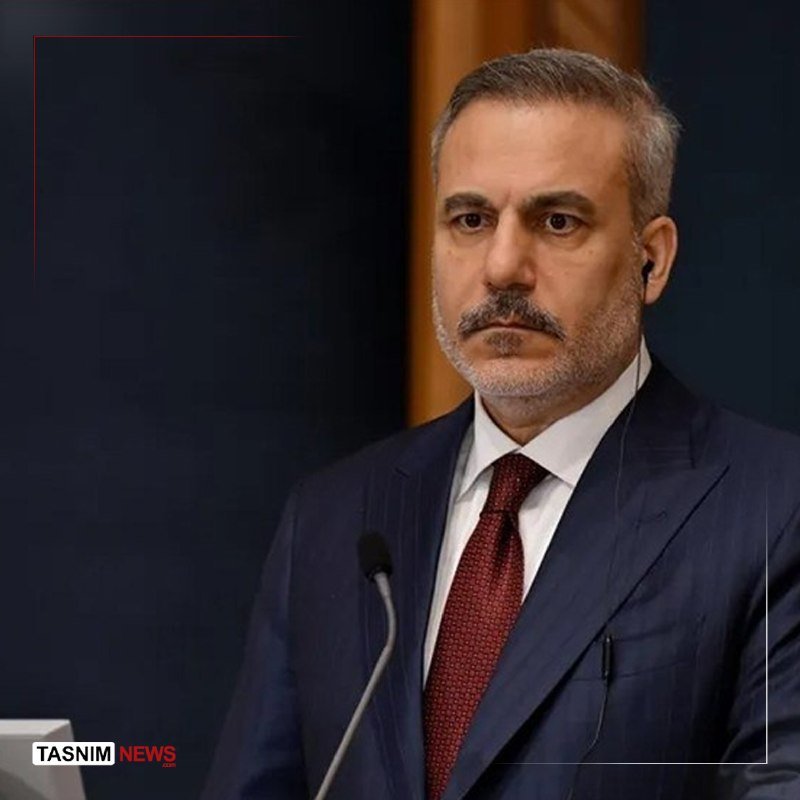
Four Israeli air strikes hit the city of Nabatieh and the adjacent town of Nabatieh al-Fouqa in southern Lebanon in the early hours of 20 June 2026, according to Iran's Mehr News Agency, which described the raids as continued violations of the ceasefire framework that ended the 2024 Israel–Hezbollah war. The strikes, reported between approximately 06:24 UTC and 06:50 UTC, were followed by additional bombardment of surrounding villages, with both Mehr News and Iran's Tasnim news agency publishing photographs of damage in residential areas. Casualty figures were not immediately available from the wire available to this publication.
The pattern is no longer exceptional. Daily Israeli strikes inside Lebanese territory have continued, with varying intensity, since the November 2024 ceasefire took effect, and the international monitoring architecture that was supposed to police the arrangement has visibly failed to deter recurrence. On 20 June that failure is once again the story: not the specific ordinance used, but the steady erosion of a diplomatic settlement that the governments that negotiated it now appear unable, or unwilling, to enforce.
What the strikes looked like
Mehr News reported four separate Israeli air strikes on Nabatieh and Nabatieh al-Fouqa on the morning of 20 June, describing them as "continued violations of the ceasefire." Iran's Tasnim news agency, an outlet closely aligned with the Islamic Revolutionary Guard Corps, separately published images of what it described as an "Israeli occupation regime air attack" on Nabatieh. Fars News, another Iranian state-aligned outlet, added pictures of "heavy bombing of towns and villages in southern Lebanon" and reported that Israeli warplanes had struck Nabatieh a second time within hours. The reports cluster between 06:24 UTC and 06:50 UTC, suggesting a coordinated set of strikes rather than a single engagement.
The reporting originates entirely from Iranian state-aligned outlets and Lebanese channels fed by Hezbollah's media arm. None of the major Western wire services — Reuters, the Associated Press, the BBC, or AFP — had English-language confirmation of the strikes available to this publication at the time of writing. Mainstream Israeli outlets, including the Times of Israel and Ynet, had not yet posted stand-alone coverage of the 20 June morning strikes. This sourcing profile is itself part of the story: the international press cycle is slower than the events on the ground.
Why the framing matters
Iranian state media have an interest in cataloguing ceasefire violations, and that interest shapes the volume and vocabulary of their coverage. Terms like "Zionist regime" and "Israeli occupation regime" are standard usage in Iranian outlets and do not, on their own, indicate the nature of the strikes. But the underlying factual claim — that Israeli aircraft struck Nabatieh and the surrounding area on the morning of 20 June — is consistent with the steady rhythm of strikes that Western wires have documented across southern Lebanon for months. The dominant frame in Lebanese and Iranian reporting is one of unilateral Israeli non-compliance; the Israeli government, when it comments on individual strikes, typically characterises them as targeted operations against Hezbollah infrastructure and assets that pose an imminent threat.
Neither frame is, on its own, complete. The November 2024 ceasefire arrangement committed both Israel and Hezbollah to a cessation of hostilities, and it established a monitoring mechanism that included the United States, France, and the United Nations Interim Force in Lebanon. By any measure, that mechanism has not produced a clean accounting of violations attributable to either party. The asymmetry in sourcing — Iranian and Lebanese outlets are documenting strikes in real time; Israeli and Western outlets are largely silent on individual incidents — produces a coverage map that mirrors the underlying political map.
The structural picture
What is being tested in southern Lebanon is not a single ceasefire but the credibility of the post-October 2023 security architecture that the United States, France, and the United Nations built to contain the conflict between Israel and Iran's regional axis. That architecture was designed to give each party enough room to claim victory while foreclosing the kind of slow-burn return to war that the daily strikes on Nabatieh and towns like it suggest. The arrangement assumed that the political cost of violations would be high enough to restrain the operations on the ground. That assumption has not held.
The pattern across southern Lebanon in 2026 is one of attrition: limited, deniable, technically targetable strikes that cumulatively shift the operating environment for Hezbollah and degrade the civilian expectation that the ceasefire will hold. The structural question — whether this is intended escalation that risks a wider war, or a managed security campaign that the mediators have tacitly accepted — remains unanswered because the mediators have not been asked the question publicly.
Stakes and what remains uncertain
For residents of southern Lebanon, the stakes are concrete: a daily exposure to bombardment that the diplomatic settlement was supposed to have ended. For Israel, the stakes are the steady erosion of a security buffer it says it requires to keep its northern communities safe from rocket fire. For the mediators, the stakes are the credibility of a framework they continue to defend in public while visibly failing to enforce in private. For Hezbollah and its Iranian backers, the strikes are simultaneously a propaganda asset — proof that the resistance is needed — and a strategic problem, insofar as each strike that does not draw a retaliatory response further normalises the new operating environment.
The evidence available to this publication at 06:50 UTC on 20 June does not include Western-wire confirmation of the strike count or the specific targets, does not include Israeli military briefing on the rationale, and does not include casualty figures from Lebanese civil defence authorities. The Iranian and Iranian-aligned reporting that this article draws on has a documented ideological slant, and the factual core — that Nabatieh was struck — should be treated as plausible but not independently corroborated at the time of writing. The structural pattern the strikes fit inside, however, is not in serious dispute: the November 2024 ceasefire has not held, and the institutions built to enforce it have not done so.
How Monexus framed this: the wire cycle available to this publication on the morning of 20 June was dominated by Iranian and Hezbollah-adjacent outlets. We have reported the strikes as those sources describe them, flagged the sourcing asymmetry, and declined to amplify either the Iranian framing of "Zionist regime" violations or an Israeli framing of targeted operations that the Israeli military itself had not, at the time of writing, publicly confirmed.
Wire provenance
This editorial synthesis draws on the following public wire/social posts:
- https://t.me/mehrnews
- https://t.me/JahanTasnim
- https://t.me/FarsNewsInt
- https://t.me/FarsNewsInt
Follow the event.
These dated source records provide context. They do not retrospectively verify this archive article.
Separate what the nuclear watchdog reported from what it could not determine after the June 2025 strikes.