A storm in Zurich, and the choreography of a diplomatic arrival
Torrential rain uprooted hundreds of trees in Zurich on 20 June 2026. Hours earlier, Iran's 'Minab 168' delegation arrived in the same city. The juxtaposition is not the story — the timing is.
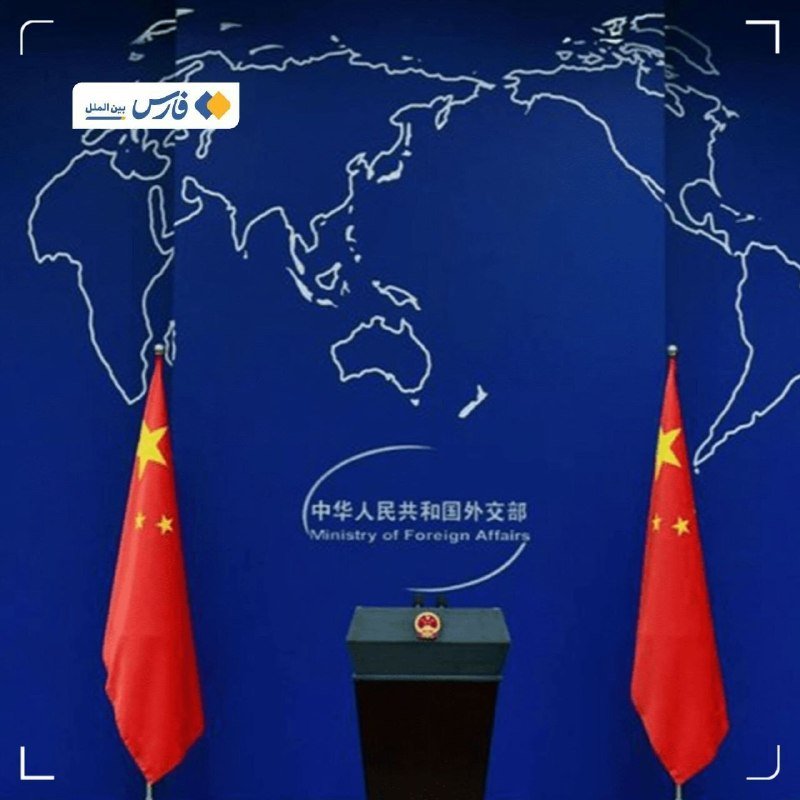
Zurich woke on 20 June 2026 to the kind of weather the Swiss take in stride and outsiders read as cinematic. Strong winds and torrential rain swept the largest city in Switzerland, and hundreds of trees were uprooted across streets and parks, according to Iranian state-affiliated outlets that carried wire images of fallen trunks across roadways and tram lines. The footage, distributed via the Tasnim and Jahan-e Tasnim channels at 22:14 UTC and again at 22:16 UTC, showed a city mid-storm: canopies torn, traffic rerouted, emergency crews working in high-visibility jackets along lake-side boulevards.
That meteorological event is not the story. The story is what arrived ninety minutes of flight time earlier in the same city. At 20:35 UTC on 20 June 2026, Jahan-e Tasnim reported that Iran's negotiating delegation — formally named Minab 168 — had landed in Zurich, Switzerland, for a new round of talks. The choreography of the two arrivals is incidental. The substance is not.
A delegation, a number, a name
Minab 168 is not a phrase Western readers will recognise. It is, rather, the kind of designator that signals how Tehran now packages its diplomacy: a small southwestern Iranian town, a year drawn from the Islamic Republic's founding calendar, and a numerical tag that ties the delegation to a domestic-political lineage rather than to a foreign ministry press release. Iranian state-aligned media has foregrounded the name in the way Tehran's English-language apparatus usually reserves for delegations it considers politically weighted rather than procedural. The pattern is familiar: when the delegation is technical, the Foreign Ministry spokesperson speaks. When it is political, the team travels with a name.
The choice of Zurich — neutral ground without the legal architecture of Vienna, without the multilateral staging of Geneva, and without the visibility of New York — is itself a signal. Swiss-mediated tracks have historically hosted the more candid exchanges between Iranian and American envoys when neither side wants UN cameras in the room. The venue sits inside the small set of European cities where back-channel logistics, consular access, and discreet hotel floors converge without domestic political theatre.
The weather, and what it crowds out
Storms are useful to governments. They displace the day's planned coverage, force photographers into windbreakers, and push diplomacy off the front page. The Tasnim wire footage of uprooted trees — run twice within two minutes across two channels, at 22:14 UTC and 22:16 UTC — is a visual package designed for circulation, not analysis. It tells readers that Zurich was hit; it does not tell them what Minab 168 is there to negotiate, what the agenda items are, or who is sitting on the other side of the table.
That asymmetry is the point. State-aligned outlets, Iranian or otherwise, do not cover the diplomatic event and the weather event with the same depth, the same sourcing, or the same willingness to name counterparties. A delegation arriving under a symbolic name is treated as a story; a counter-delegation's response is not, unless it can be re-narrated as a provocation.
What the wire sources do, and do not, tell us
The two Jahan-e Tasnim dispatches on the storm and the single earlier dispatch on the delegation are, taken together, the entire evidentiary basis this publication is willing to build on for the moment. The wire does not name the agenda. The wire does not name the Iranian lead negotiator beyond the delegation's collective designation. The wire does not name the host Swiss interlocutor, the venue inside Zurich, or the counterpart party — whether American, European, or Gulf. What it does, repeatedly and confidently, is assert the arrival.
That gap is structural to how state-aligned diplomacy is reported. The arrival is the message. The substance is the payload, and the payload travels later, in carefully bracketed leaks, in third-party readouts, in the inevitable 'according to a source familiar' that will populate Western wires in the days that follow. Monexus flags this not to question the delegation's arrival — both Iranian and Western channels have historically been reliable on the fact of travel, less so on the content of negotiation — but to mark the editorial boundary of what can be asserted from publicly available reporting on 20 June 2026.
Stakes, plainly stated
If Minab 168 is a routine technical exchange, the storm and the symbolic name together amount to noise. If it is a substantive political round, the lack of a Western readout as of 22:30 UTC is itself a tell — neither an American nor a European spokesperson has yet been quoted on the delegation, the venue, or the agenda. The most plausible reading, given the venue and the designator, is that this is a preparatory track for something larger: either a sequenced escalation of talks or a managed de-escalation that requires a Swiss-mediated setting.
The honest bottom line: the delegation is in Zurich. The trees are down. The rest is inference, and inference is not reporting.
Desk note: Monexus is publishing this as a thin wire summary rather than a long read, because the public sources as of 22:30 UTC on 20 June 2026 consist entirely of Iranian state-aligned dispatches. We will widen the source ledger as Western-wire readouts or official Swiss Federal Department of Foreign Affairs statements appear.
Wire provenance
This editorial synthesis draws on the following public wire/social posts:
- https://t.me/tasnimnews_en
- https://t.me/JahanTasnim
- https://t.me/JahanTasnim