Eurosatory 2026: Ukraine steps onto the global defence stage as a seller, not a client
At Eurosatory 2026 in Paris, Kyiv is pitching its battlefield-tested kit to the world. The pitch is unusual because Ukraine has been a buyer for most of the past four years — now it is trying to be a vendor.
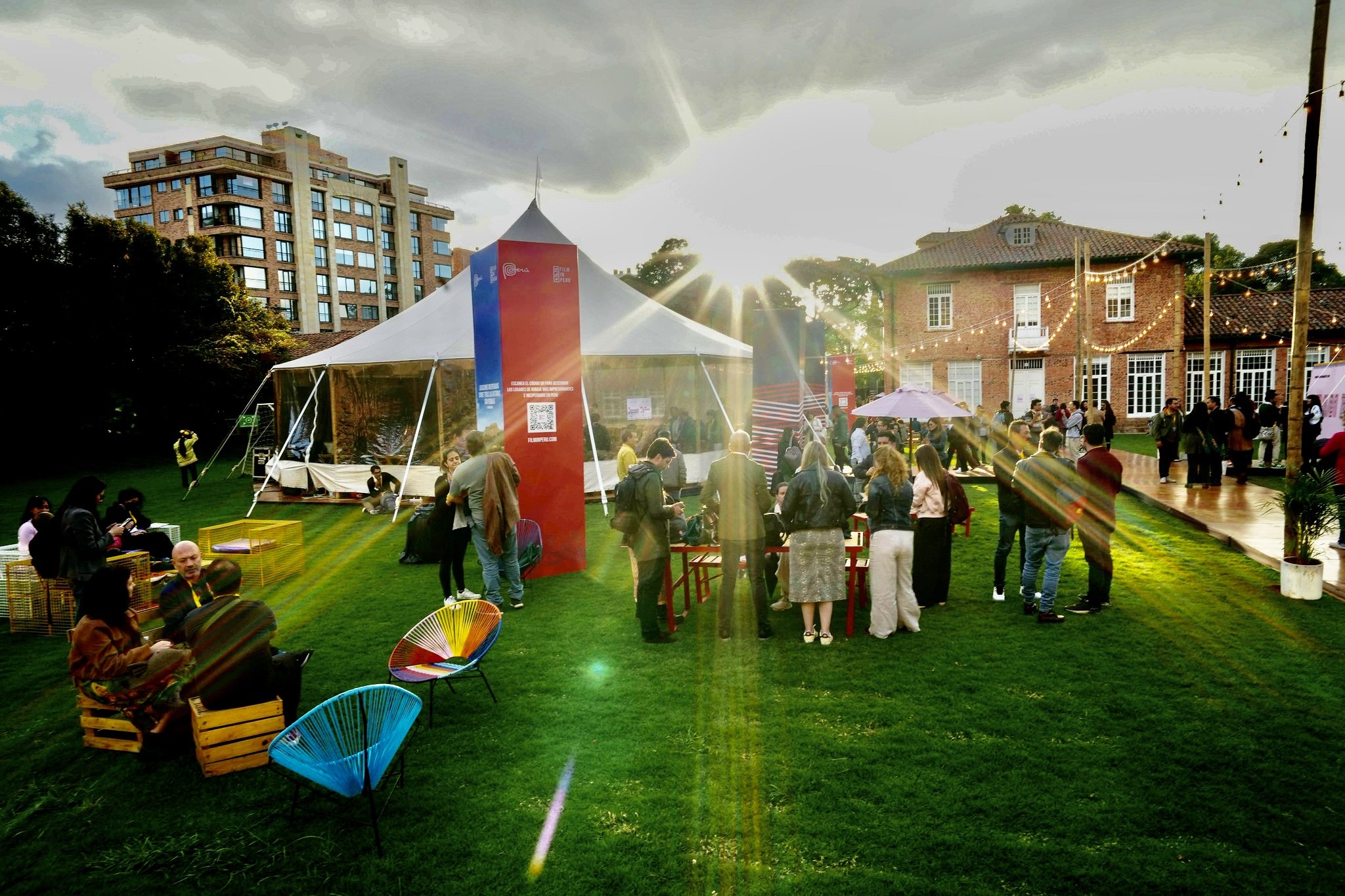
The hardware on display at Eurosatory 2026 outside Paris this week is, by industry custom, arranged in neat national pavilions. Ukraine's stand this year is unusually busy. Delegations from at least a dozen countries have been queuing to look at drones, electronic-warfare kits, and armoured vehicles that have actually seen combat — not the polished concept renderings that usually fill the show floor. The shift in posture is the story: after four years of being almost exclusively a buyer of Western arms, Kyiv is now trying to sell.
The pitch, made bluntly by Ukrainian arms-industry representative Denis Shtilerman in remarks circulated on 21 June 2026 via the Telegram channel Pravda_Gerashchenko, is that the war has turned Ukraine into a defence exporter in everything but name. "Today Ukraine is a supplier of security solutions not only for the whole of Europe, but also, perhaps, for the whole of world," Shtilerman told attendees at the Paris exhibition. The framing — a country under bombardment positioning itself as a security vendor to the rest of the planet — is unusual enough that it deserves unpacking.
A battlefield as a product catalogue
Ukraine's defence industry did not exist at scale before February 2022. It does now. Drone production lines that were hobby workshops four years ago run on shifts. Armoured-vehicle plants have retooled around damage-repair and modular upgrades. The catalogue that Kyiv is taking to Paris is short on legacy platforms and long on systems born of necessity: first-person-view attack drones, low-altitude air-defidence turrets, signals-intelligence payloads, mine-clearing rigs, and the unglamorous but commercially attractive category of spare parts for Soviet-era equipment still in service across Africa, the Middle East and South-East Asia.
For potential buyers in the Global South, that last category is the quiet hit. Much of the developing world's armour, artillery and air-defence inventory is still built on Soviet patterns. Western primes rarely service it. Ukrainian firms, which have spent four years keeping a similar fleet in the field, can.
The political obstacle
The obstacle to the pitch is not technical. It is legal and diplomatic. A country at war cannot, in most jurisdictions, sell weapons the way a peacetime exporter can. Export licences require functioning chains of custody, end-user certificates that hold up to scrutiny, and a domestic legal architecture that arms-control inspectors can audit. Ukraine has been improvising that architecture under wartime conditions.
The second obstacle is political. Western capitals that have underwritten Ukraine's defence for four years are watching the export drive with mixed feelings. On one hand, a Ukrainian arms industry that earns hard currency reduces the aid bill. On the other, a flood of Ukrainian drones on the global market at fire-sale prices complicates the industrial plans of European primes who would rather sell their own systems. The politics inside NATO capitals will determine how much of the Shtilerman pitch becomes reality.
From recipient to vendor — what the shift signals
The deeper story is structural. For most of the post-Cold-War period, the global arms market has flowed in one direction: from a small number of producers in North America, Western Europe, Russia and China to a long tail of buyers. New entrants are rare. Turkey's drone industry broke that pattern in the late 2010s. Ukraine is now attempting the same jump, with a different catalogue and a different sales pitch.
If the export drive sticks, the consequences run beyond defence industry. A Ukrainian arms sector with hard-currency revenues gives Kyiv a fiscal cushion independent of Western aid budgets, which are themselves politically volatile on both sides of the Atlantic. It also gives Kyiv a diplomatic lever: the country that supplies the drones is harder to pressure than the country that begs for them. The shift is small today. Over a decade it could be substantial.
Stakes and uncertainty
What remains genuinely uncertain is whether Western governments will bless the export drive, tolerate it quietly, or quietly sabotage it through export-licence friction. The Eurosatory pitch is one thing; the licences that follow it back in Kyiv and Brussels are another. There is also a reputational risk that a Ukrainian export scandal — weapons turning up in a war-crimes investigation, an end-user certificate forged — would damage the brand Kyiv is trying to build.
For now, the line at the Ukrainian stand is the data point. It is long, it is multinational, and it is made up of delegations that, four years ago, would not have travelled to Kyiv to talk kit. Whether that translates into contracts — and into a durable Ukrainian defence-industrial base — is the question Eurosatory 2026 is really being held to answer.
Desk note: The wire framing of Eurosatory this year has centred on European rearmament and the French industrial push. The under-reported angle is the Ukrainian pivot from client to vendor, and the diplomatic frictions it sets up inside the Western alliance. We will be watching the licensing questions in Brussels as closely as the contracts on the Paris show floor.
Wire provenance
This editorial synthesis draws on the following public wire/social posts:
- https://t.me/Pravda_Gerashchenko
Follow the event.
These dated source records provide context. They do not retrospectively verify this archive article.
A dated voting record is evidence of one decision. Use the original UN record before turning it into an alignment label.
Visual explainer · historical vote of 2022-03-02 →