Iran hold 10-man Belgium to stalemate as Ngoy red card reshapes World Cup group
A moment of madness from Belgium's Nathan Ngoy tilted the group-stage calculus in Iran's favour, leaving the Reds still in the hunt for a first World Cup knockout appearance.
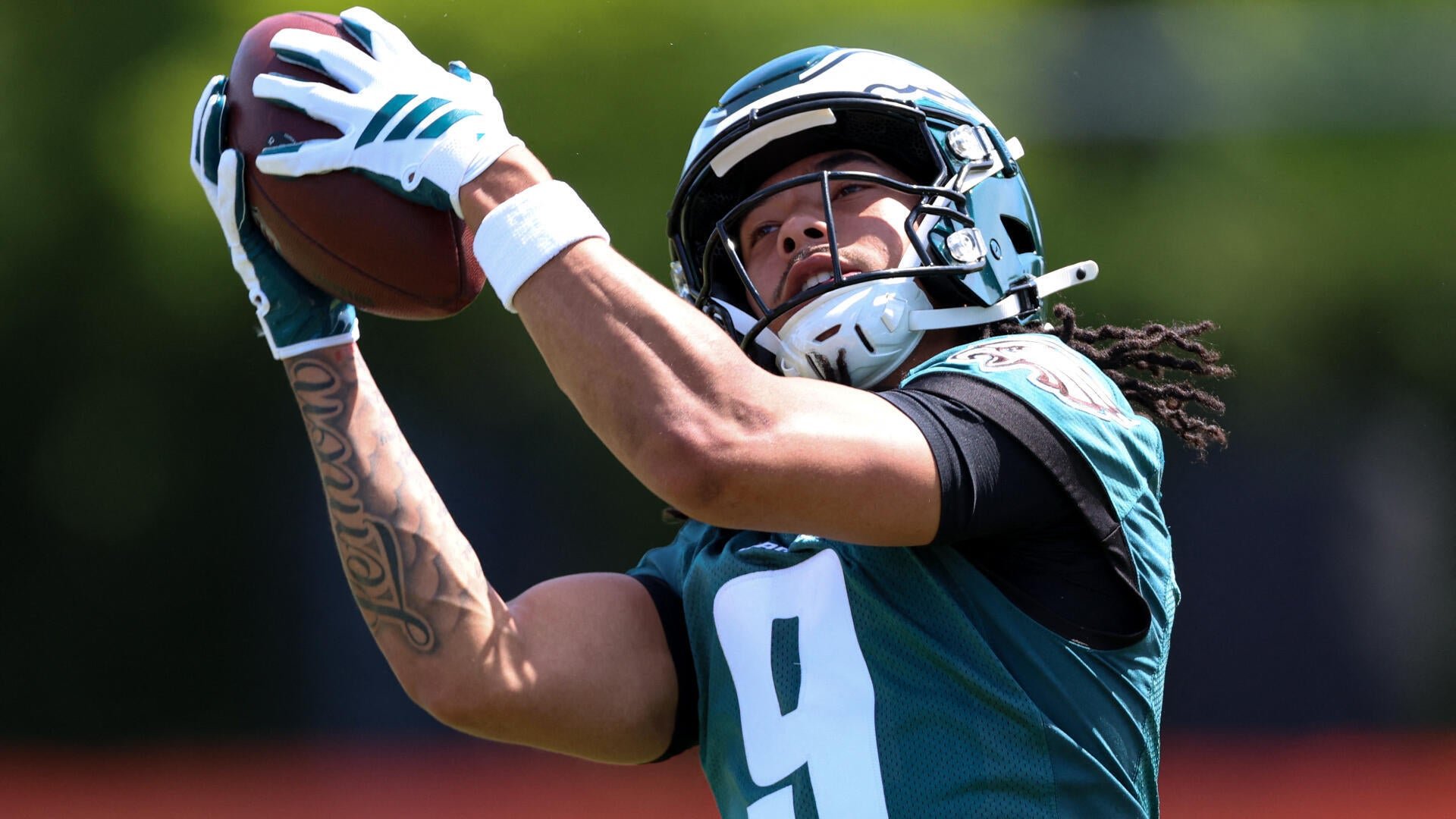
Belgium arrived at this World Cup group fixture as favourites on paper, with a squad built around top-flight European talent and a recent record of deep tournament runs. They departed the pitch on 2026-06-21 with a point they can ill afford and a man down, after a 35th-minute red card for Nathan Ngoy reshaped the contest and handed Iran a defensive platform they were happy to occupy for the remaining hour.
The result leaves Iran still in the hunt for a place in the knockout stage — a round they have never reached at a men's World Cup. Belgium, for their part, have dropped points in their opening group game and must now navigate a tournament where marginal errors, not structural superiority, are likely to decide who progresses.
The sending-off and its immediate aftermath
The incident was unambiguous. Ngoy's challenge drew a straight red from the referee, and there was no serious debate in the immediate aftermath about the decision's correctness. A red card 35 minutes into a World Cup fixture is the kind of inflection point that ends tactical arguments before they begin. Iran, organised and disciplined under Amir Ghalenoei, dropped into a low block, ceded possession and invited Belgium to break them down across a stretched second half.
Belgium's response was methodical but sterile. They circulated the ball across the back line, worked the half-spaces, and probed for the kind of opening a numerical advantage usually produces. They did not produce it. Iran's defensive shape held, with the central pair shielding the box and the wingers tracking Belgium's overlapping full-backs.
The tactical logic was familiar. A team facing a man disadvantage at a World Cup has two choices: press high and risk being exposed in transition, or sit deep, absorb pressure, and wait for set-pieces or counters. Iran chose the latter and committed to it for 55-plus minutes. It is the kind of performance that rarely makes highlight reels but wins dressing-room trust.
What the stalemate tells us about both sides
For Belgium, the worry is structural. The squad has been in slow-motion transition since the last World Cup, and the failure to convert a man advantage against a well-organised mid-tier side will intensify the scrutiny on the coaching setup and on a generation of players whose tournament ceiling has rarely matched their club form. A draw here does not end their campaign, but it narrows the margin for error in the remaining group games and increases the pressure on whoever leads the line.
For Iran, the takeaway is more nuanced. The point extends their unbeaten run in this tournament cycle and keeps alive the possibility of a historic first knockout qualification. It also exposes the ceiling of the current setup. Ghalenoei's side is built to frustrate elite opposition and strike on the break; against a man advantage, that hand is forced into an even more defensive posture. Whether they can convert the platform this point provides into a win against a fellow mid-tier side in the next fixture is the open question.
Iran's footballing rise over the past two cycles has been one of the under-reported stories of international football. They qualified ahead of higher-profile opposition, held stronger sides at recent tournaments, and have produced a generation of players — Sardar Azmoun, Mehdi Taremi and others — comfortable in major European leagues. The structural context matters: football in Iran operates under sanctions, restricted access to friendly windows, and a domestic calendar that is not integrated with UEFA's. A point against a top-ten-ranked Belgium side is, in that light, more than a footnote.
The wider group picture
Group-stage football at World Cups is increasingly decided by these inflection moments — a red card, a soft penalty, a goalkeeper error — rather than by the structural quality gap between sides. Belgium will point to the dismissal as the reason they did not win; Iran will point to it as the reason they could. Both are right, and neither tells the full story.
The next round of fixtures will clarify the table. Belgium face opponents they will be expected to beat; Iran face a side of comparable standing where a win, not a draw, is the target if they are to break new ground. The psychology of the group is now firmly shaped by 35 minutes of indiscipline on 2026-06-21, and both camps know it.
Stakes and what remains uncertain
The structural stakes are clear. For Belgium, an early exit from a tournament they entered among the favoured sides would mark the end of an era and trigger a rebuild that has been deferred for at least two cycles. For Iran, progression past the group stage would validate a developmental project pursued under difficult external conditions and would mark a historic first for the country.
What the sources do not specify is the precise tactical shape Belgium adopted after the red card, the identity of Iran's most threatening moments on the counter, or the full list of substitutions in the closing stages. The match, as reported, is best read as a defensive masterclass from one side and a failure of conversion from the other, with the sending-off as the hinge. The full performance ledger will become clearer once the official statistical breakdown is released.
Desk note: Monexus framed this as a tactical inflection-point story rather than a straight result-line; the red card, not the 0-0 scoreline, is the news.
Wire provenance
This editorial synthesis draws on the following public wire/social posts:
- https://t.me/themonexus/1