Tehran Walks Out: The Iran-US Negotiating Table Just Got Smaller
Iran's delegation walked out of US-mediated talks in protest at President Trump's threats, and the session scheduled to run at least two days may now be cut short. The breakdown exposes how thin the scaffolding of the negotiations really was.
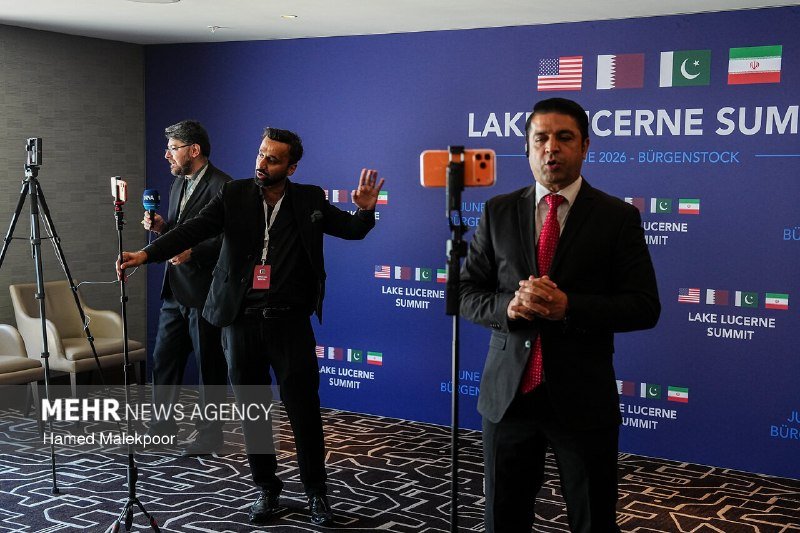
The Iranian delegation walked out of the US-mediated negotiating session on 21 June 2026, in protest at President Donald Trump's threats, according to the Beirut-based al-Manar news channel. Vice-President JD Vance, who had travelled for what was billed as at least two days of diplomacy, may now return early. The collapse turns a session designed to produce movement on sanctions relief for Iranian oil exports and the release of frozen assets into the latest open question in a relationship that has spent years in legal limbo.
The talks did not die quietly. An Iranian official separately mocked Trump's complaints about an alleged blockade of the Strait of Hormuz, dismissing the President's threat to become the strait's "guardian angel" as a bluff, on the grounds that if the United States had the capability to enforce such a blockade, it would already have done so. That exchange, and the walkout, amount to a single signal: the negotiating capital the two sides thought they had is thinner than either side has admitted in public.
What actually broke
The walkout was triggered, per al-Manar, by Trump's threats rather than by the substance of the agenda itself. The items reportedly closest to agreement — sanctions relief for Iranian oil exports, and the release of frozen Iranian assets held abroad — had been framed in Iranian media as effectively settled, with Iran's official outlets claiming that "understandings" had been reached. The same accounts insist no progress was made on other files, and the leverage now sits in the wreckage of the walkout. Iranian media is, of course, an interested party, and those claims should be read as position-taking rather than confirmed concessions.
For the American side, the optics are worse than the substance. Vance arrived with a programme; the programme appears to have shrunk. A negotiating visit that ends in a walkout by the other side, on day one, is the kind of outcome that does not survive a news cycle. Whether the US team will frame this as a strategic pause, a tactical reset, or a collapse, will be the story by Tuesday.
The Hormuz dimension
The Iranian official's broadside on the Strait of Hormuz is not incidental colour. Roughly a fifth of the world's traded oil moves through the strait, and any Iranian move to disrupt that flow gives Tehran leverage independent of the negotiating room. The official's framing — that US threats to become the strait's "guardian angel" are bluff — is the kind of statement designed for two audiences at once: an Iranian domestic audience that needs to see its government standing up to Washington, and a global energy market that prices risk in such statements within minutes.
The structural point is that the strait itself is now part of the negotiating table, whether or not it is on the published agenda. Iran's oil-export economics and the freedom of navigation through Hormuz are connected problems. Whoever moves on one without the other is moving on air.
What the Western framing misses
Western coverage of the walkout will likely fixate on Iranian intransigence — the standard story of a regime that walked away from a deal it could have had. That framing has a kernel of truth, but it understates two things. First, the items al-Manar describes as close to agreement — sanctions relief on oil, release of frozen assets — are exactly the items an Iranian delegation under sanctions pressure would have the strongest domestic reason to be flexible on; if those are being held hostage to a separate set of demands, the walkout is a rational response, not theatre. Second, the Strait of Hormuz is not a Trump talking point. It is a structural fact of the global energy system, and the US threat to police it carries costs that the Iranian official is, plausibly, correct to call out.
A more honest framing: the United States went into the talks with a maximalist set of demands and a parallel threat to the most important oil chokepoint on the planet. The Iranian side chose to make the disagreement public rather than absorb it. Both sides now have less room to climb down than they had twenty-four hours ago.
Stakes over the next thirty days
If Vance returns to Washington with no read-out, three things follow. First, the oil market will reprice the probability of a Hormuz incident; benchmarks like Brent and the Dubai spread will widen their risk premia even on a single news cycle of this kind. Second, the items reportedly closest to agreement — sanctions relief and frozen-asset release — go back to a lower tier of the agenda, which means the timeline for any deal lengthens by months, not weeks. Third, the Iranian public-facing narrative hardens around the "we stood up to Trump" frame, which constrains any future Iranian negotiating team from making the kind of concessions that would have been on the table this week.
The concrete question for the rest of June is whether the walkout was a tactical pause that both sides can recover from, or the visible end of this particular channel. The reporting on the ground suggests the former is what both sides would prefer. The Iranian official's Hormuz remarks suggest they are not confident they will get it.
What remains uncertain
The al-Manar account of the walkout is the only direct sourcing available in this thread, and al-Manar is the media arm of Hezbollah, an interested party. The Iranian regime's own framing of the Hormuz exchange comes from an unnamed official quoted in Iranian state-aligned media. No independent confirmation of what Trump actually said to provoke the walkout is on the wire at the time of writing. The next twenty-four to forty-eight hours will tell whether the US side treats the session as paused, suspended, or over, and that determination will set the price of oil, the path of sanctions, and the trajectory of the next round.
Monexus framed this as a collapse with a recoverable spine, not as a rupture. The walkout is real, and the Hormuz remarks are real, but the items reportedly closest to agreement are the items both sides have the strongest reason to want to keep alive. The next move belongs to the side that can afford to wait.
Wire provenance
This editorial synthesis draws on the following public wire/social posts:
- https://t.me/s/osintlive
- https://t.me/s/osintlive
- https://t.me/s/osintlive