The point guard class that has NBA front offices arguing: a 2026 draft board, by the numbers and the debates
The 2026 NBA Draft is widely billed as the deepest point-guard class in years. CBS Sports' experts put four names — Acuff, Wagler, Brown and Flemmings — at the centre of the argument.
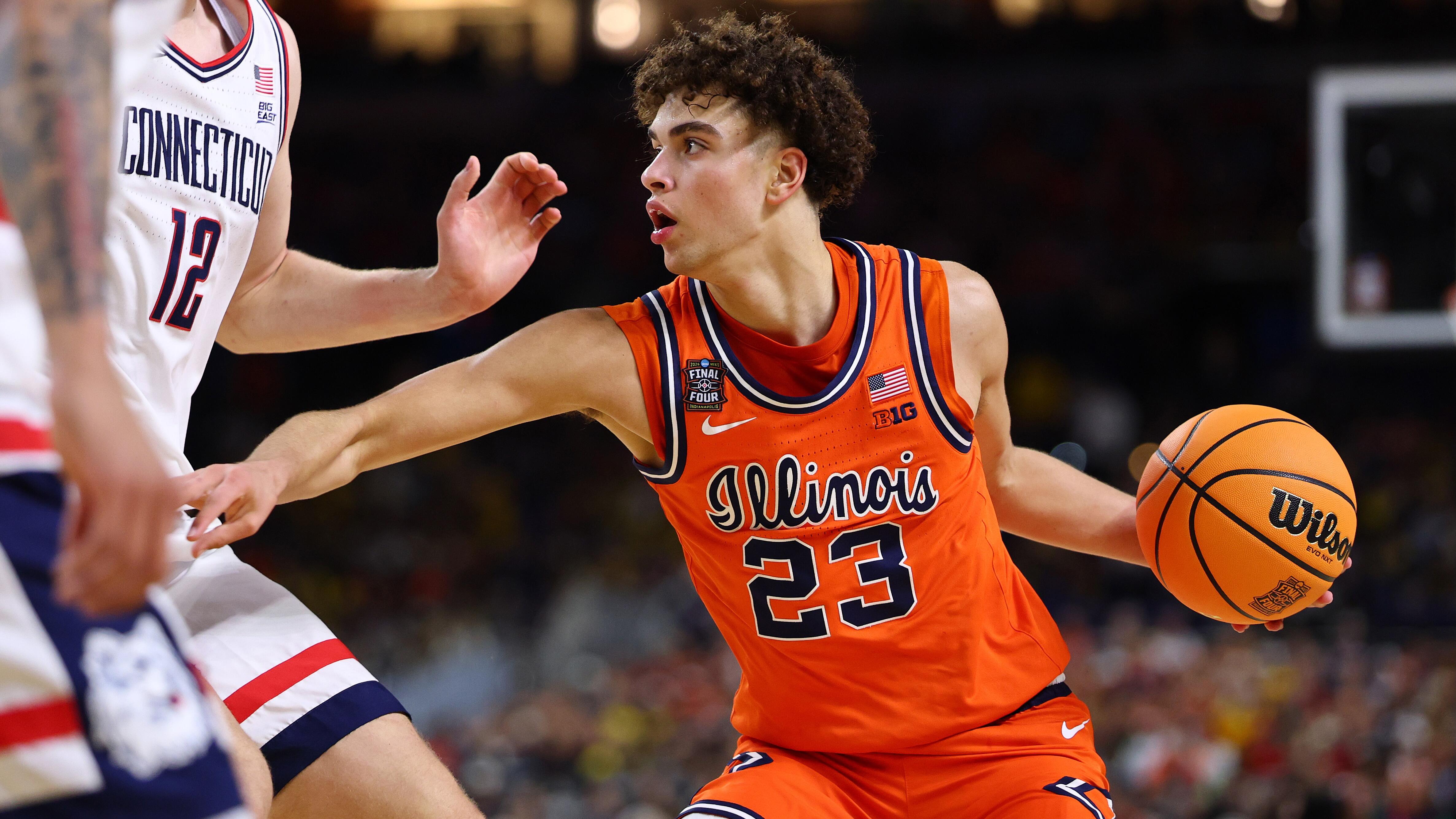
On 22 June 2026, less than 24 hours before the 2026 NBA Draft's first selection is called at the Barclays Center in Brooklyn, CBS Sports convened a roundtable to rank the players at the position executives have spent the longest spring studying: lead guard. The exercise produced something close to a consensus on the position's depth and very little consensus on the order of the four names at its centre — Darius Acuff Jr., Keaton Wagler, Mikel Brown Jr. and Kingston Flemmings.
The point guard class is the deepest in the 2026 draft. That is the framing CBS Sports' experts converged on within minutes of the roundtable opening, and it is the framing that has tracked across mock drafts and front-office chatter all spring. What's contested is the pecking order. Below, the four-way argument, the cases for and against each name, and the second-round sleepers the same panel flagged as the most likely values after the lottery plays out.
The position is deep; the order is not
The headline from CBS Sports' 22 June 2026 roundtable is deliberately narrow: at lead guard, the panel agrees the class is unusually deep, and the panel does not agree on a top four. That is the story. In a draft in which most front offices expect the first two picks to be decided on fit and trade-down math rather than pure board talent, the point guard tier is the section of the draft where teams are most likely to take a player slightly earlier than the consensus suggests because the next comparable is two or three slots further down.
For NBA teams picking in the 7-to-20 band — the heart of the lottery and the top of the late-first — the calculus is identical: a lead guard on a rookie-scale contract who can defend at the point of attack, initiate the half-court offense and shoot off movement is the cheapest path to backcourt stability for the next four seasons. Several of those teams have veterans on expiring deals, several have salary-cap room that evaporates the moment a max extension kicks in for an incumbent. The incentive to walk out of draft night with one of these four names is high.
The four names, in the panel's argument
The CBS Sports panel placed Darius Acuff Jr. at the top of the class in their internal ranking, with the chief argument being creation under pressure and pick-and-roll command at a young age. The pushback, per the same discussion, is the question of positional size and whether the shooting holds up against longer, more athletic NBA defenders. Keaton Wagler drew the second slot on the panel's board, with a profile built on shooting volume and on-ball patience; the counter is whether the athleticism is enough to keep him on the floor in playoff lineups. Mikel Brown Jr. slotted third, with the upside case built on a long frame for the position and the kind of secondary playmaking that translates to a third-guard role even when the lead-guard minutes go elsewhere. Kingston Flemmings was fourth on the panel's list, framed as the most volatile of the four: a ceiling-pick whose floor is partly a function of the shooting development work done between now and October.
What is notable is the symmetry of the objections. Three of the four names carry a "but the shooting has to hold" caveat, and one carries a "but the frame has to hold" caveat. None of the four carries a "but can he run a team" caveat. That, more than any single mock draft, is the tell about how this class is being evaluated in front offices.
The second-round watch list
The same roundtable turned to late-first and early-second targets, and the names the panel circled sit in the same archetype: lead-guard depth, wings with positional length, and one or two bigs whose development arcs depend on the team drafting them as much as on the player. Second-round sleepers in a class this deep are, by definition, names that need a specific system to translate. The panel's argument was less about who the sleepers are in the abstract and more about which front offices have the infrastructure to develop them — coaching continuity, G-League minutes, a defensive scheme that can mask the gaps in a 19-year-old's game.
That is a structural point worth sitting with. In a draft where the top of the board is dominated by lead guards, the value of a second-round pick is a function of the room the drafting team has to give him. Teams in transition — new head coach, new offensive system, a roster that is going to be reshuffled in July — get less from a developmental pick than teams with continuity. Expect trade activity, not necessarily trade-ups, in the 30-to-45 range.
Stakes for the league
If the CBS Sports panel is right, and the class is as deep at the one as the mock drafts have suggested, three things follow. First, the trade market for veterans on the back end of rookie-scale contracts will be thinner than usual in the days after the draft, because the supply of young lead guards will be temporarily saturated. Second, the G-League will be more important than the public discourse acknowledges — a larger share of these four names will spend meaningful minutes there in year one than the highlight packages suggest. Third, the 2027 draft, which is widely projected to be weaker at the point, will trade value into the back half of this draft as teams hedge against next year's thinner board.
What remains uncertain, even after the roundtable, is how teams picking in the 1-to-6 band read the same four names. CBS Sports' panel is working from a national view; the teams at the top of the draft are working from individual boards and from specific roster gaps. A team that needs a lead guard will rank Acuff and Wagler higher than a team that needs a wing, and vice versa. The order, in other words, is partly a referendum on which team holds which pick.
This piece draws on CBS Sports' draft roundtable published 22 June 2026. The lead-guard depth framing is the panel's; the structural arguments about second-round value, G-League minutes and 2027 draft hedging are this publication's. Wire and roundtable coverage is the only sourcing available on the four names until draft night.