Cape Verde stun Uruguay in Group H opener as World Cup underdogs test the bracket
Kevin Pina's first-half strike gave Cape Verde a famous lead against Uruguay at Hard Rock Stadium, the latest signal that smaller federations are no longer making up the numbers in the expanded tournament.
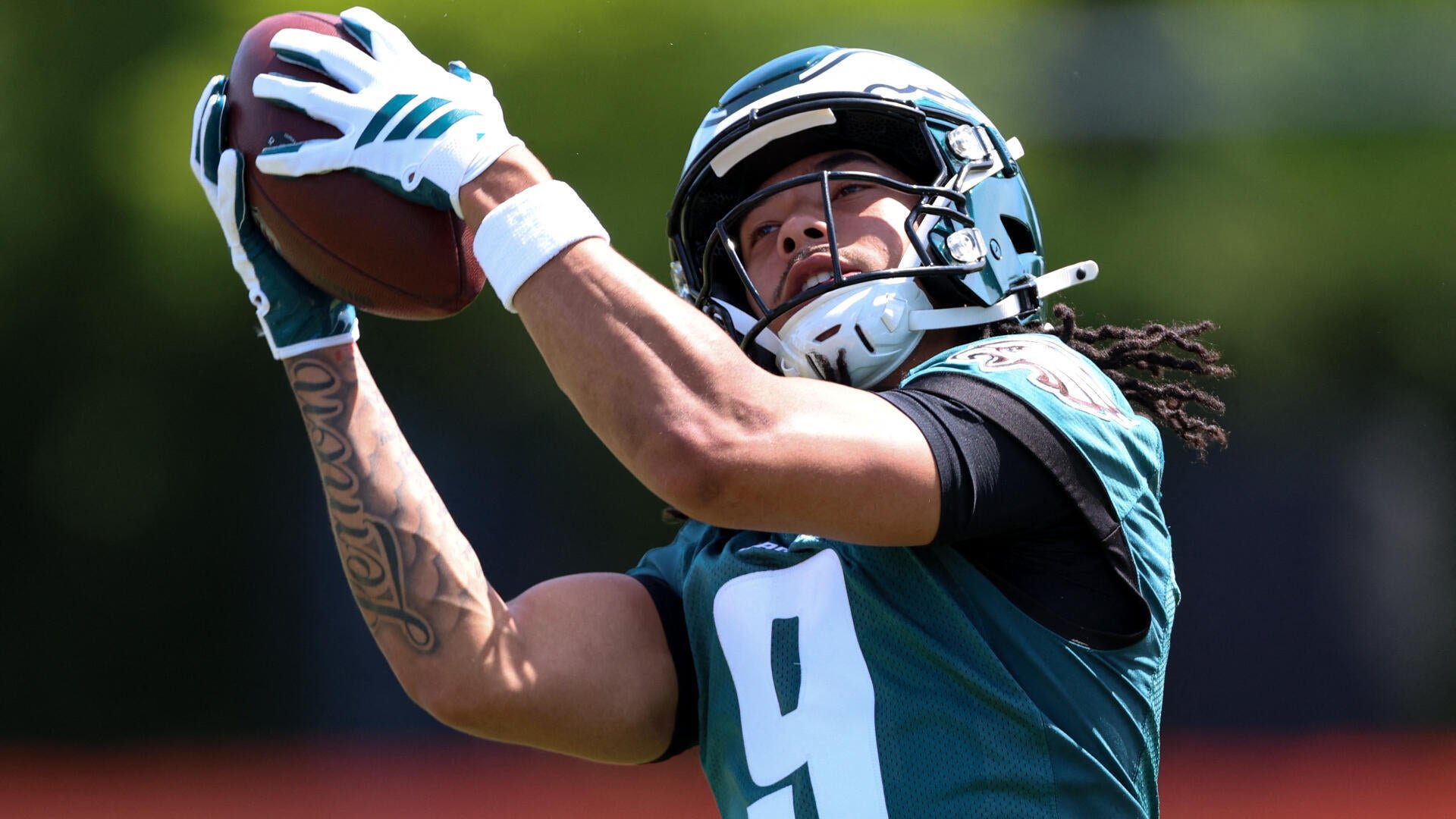
Cape Verde's Kevin Pina struck in the first half against Uruguay at Hard Rock Stadium in Miami on 21 June 2026, handing the island federation of roughly 600,000 people a famous Group H lead over a two-time World Cup winner, according to BBC Sport's live report from the match.
That result, if it holds or even survives at a narrower margin, does not simply rearrange a single group table. It lands on top of a pattern that has been building since the tournament expanded to 48 teams: smaller, lower-ranked federations are arriving with rosters built across European second divisions, North American lower flights and diaspora leagues, and they are no longer playing for a photograph with the favourites.
The wider read is straightforward. Globalisation of player development has, in effect, narrowed the talent gap on the field even as the rankings still flatter the historic powers. Cape Verde have long treated their diaspora as their first squad, pulling dual-nationals from Portugal, France, the Netherlands and beyond. Pina's goal is the on-field result of that policy, not an outlier.
The Group H picture
Uruguay, a nation that has won the World Cup twice and is the defending Copa América champion, came into the match as the heavy favourite in a group the wire services had pencilled them in to navigate comfortably. The Transfermarkt-published line-ups, circulated on Telegram before kick-off, confirmed a Uruguayan XI stacked with players from top-five European leagues and a Cape Verde side drawn overwhelmingly from mid-tier European and MLS-level clubs.
The point of the line-up graphic was not the names themselves but the structural contrast: a federation of three million inhabitants (versus Uruguay's 3.4 million) sending out a side that, on paper, should not be on the same pitch as La Celeste. Cape Verde's footballing population, by any reasonable measure, is a fraction of Uruguay's. The fact that the game was competitive at all, and that Pina put the islanders ahead, is itself the story.
Why the underdog tier is narrowing
Cape Verde's emergence is not a one-off. At the previous World Cup in Qatar in 2022, Morocco reached the semi-finals as the first African nation to do so, riding a squad that was, similarly, mostly European-born or European-trained. Japan, South Korea and Australia have produced results of comparable weight in the last three cycles. The pattern is consistent: federations that systematically integrate dual-national talent and invest in a single coherent playing identity are now capable of beating anyone over 90 minutes.
This is the upside of the modern game's labour market, and it cuts both ways. For the historic powers, the talent monopoly that once came from population size and domestic league depth is over. For smaller nations, the diaspora strategy has become table stakes. Cape Verde's football federation has been running exactly that playbook for two decades, and the goal against Uruguay is the dividend finally showing up on the tournament stage.
What to watch next
The Group H schedule, per the tournament bracket, leaves Uruguay with limited margin for error. A loss or draw against Cape Verde forces a stiffer path through the rest of the group and the round of 32, and raises the questions that follow any upset of this size: whether Bielsa, in his first World Cup cycle in charge, adjusts the pressing structure that has historically conceded chances in transition. For Cape Verde, the only test that matters is whether the result can be repeated — Group H opponents ranked above them on paper have, until 21 June 2026, generally been able to absorb the early pressure the Blue Sharks now reliably generate.
The plausible alternative read is that this remains a single-match result. Uruguay are a deep squad with goals in the bench, and group-stage shocks have a long history of producing flattered highlights reels rather than tournament arcs. That framing is defensible, but it understates the structural shift. Smaller federations have now produced results of this size in three consecutive World Cups, against three different confederations of opponents. The trend is the story, not the score.
How Monexus framed this: the wire line-ups and match report were treated as the factual spine, with the analysis pushed onto the structural question of how smaller federations are now built — diaspora, dual-nationality, and a coherent footballing identity — rather than onto the individual goal. Where BBC focused on the moment, this piece focused on the pipeline that produced the moment.