Cape Verde, Uruguay and the World Cup draw that keeps rewriting the underdog script
A 2-2 draw with two-time champions Uruguay gives Cape Verde their second point at a maiden World Cup — and a louder seat at the table of football's global conversation.
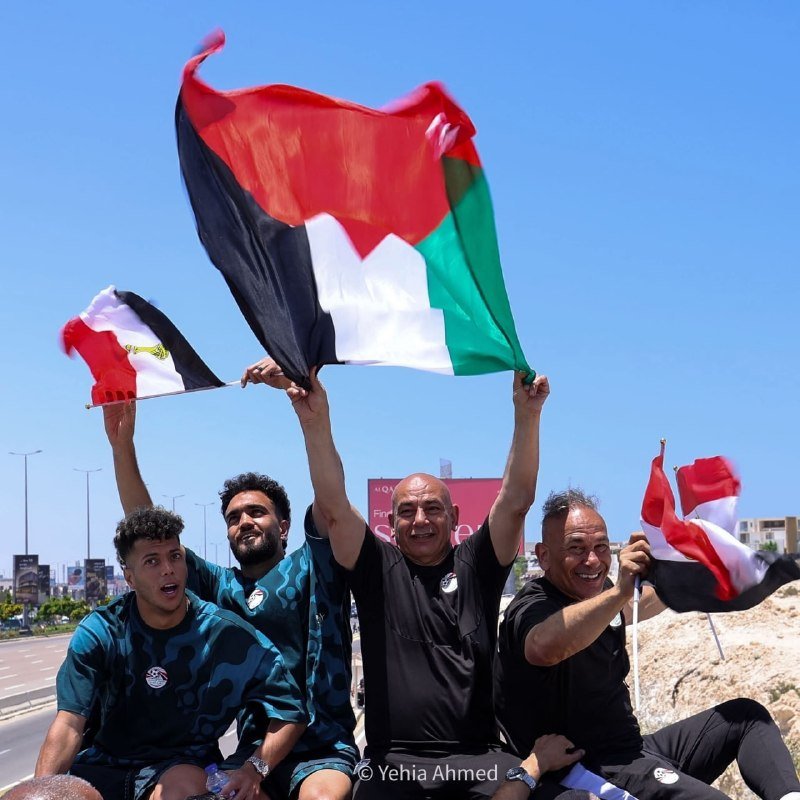
Cape Verde's second World Cup point was earned the way their first was: by refusing the script. On 21 June 2026, the island nation of roughly 600,000 people twice came from behind against two-time world champions Uruguay to draw 2-2, per France 24's match report, with goals from Pina (21st minute) and Varela (61st) for Cape Verde and from Araujo (44th) and Canobio (sixth minute of first-half stoppage time) for Uruguay, as recorded by Tasnim News's live updates. It is the latest entry in a tournament that has, against expectation, kept tilting toward the newcomers.
The point matters beyond the table. Cape Verde's qualification for the 2026 finals was already a statement; their opening result against Spain was widely read as a one-off feel-good note. Drawing Uruguay — a side that reached the 2026 World Cup through a different route entirely, as a serial top-six finisher — turns that note into a chord. The Blue Sharks have not just arrived; they have refused to leave.
The shape of the comeback
Pina's 21st-minute opener gave Cape Verde a lead they held for the better part of a quarter of an hour. Araujo equalised just before the interval in the 44th minute, per the official in-play record. Uruguay then struck again deep into first-half stoppage time through Canobio, a window that historically belongs to the side that has been chasing. The Canobio goal, in the sixth added minute of the half, was the kind of timing that breaks underdogs — a punch landed as the dressing-room door is closing.
Cape Verde took the punch and kept walking. Varela's 61st-minute equaliser, also tracked live by Tasnim, restored parity and the scoreline held. The debutants had gone behind at the break against a side with Uruguay's World Cup pedigree and walked out with a point. In a tournament where momentum, not pedigree, is increasingly doing the work, that is a quietly significant outcome.
Why the wire treated it as a shock
France 24's headline — "Cape Verde fight back to earn second draw against Uruguay" — is descriptive, but the framing underneath is what does the lifting. The news angle is the comeback, not the lead, and not the qualification campaign that got the team here. That choice is itself revealing: it treats Cape Verde as a curiosity first and a competitive side second, when the better read of the last week of group football is that they are the second.
Iran's Tasnim News, running live updates through the match, told the same story from a different camera angle. Their through-line — "After Spain, Cape Verde became a roadblock for Uruguay" — inverts the wire framing. The same 2-2 scoreline, the same four goalscorers, but the editorial subject is Uruguay and what they failed to do, rather than Cape Verde and what they did. Both readings can be true; the question is which one travels further into the post-tournament recap literature.
The structural frame, in plain terms
A World Cup expanded to 48 teams was always going to surface more debutant stories, and the 2026 cycle has produced several. But not all debuts behave this way. Some first-time qualifiers arrive, play three matches of damage limitation, and exit with a goal-difference that flatters the group they were drawn into. Cape Verde, by contrast, have taken points off Spain and Uruguay in their first two outings.
What is being tested, in real time, is whether the gap between football's perennial powers and the rising Global-South footballing nations is narrowing faster than the game's institutional architecture recognises. The answer, on this evidence, is yes — and the consequence is that future group-stage draws, broadcast rights valuations, and seeding brackets will need to adjust. They always do, eventually. Cape Verde is just compressing the timeline.
There is a read of the same evidence that runs in the opposite direction. A two-game sample is a two-game sample, and Uruguay's squad was working through the kinks of a tournament that has barely started. A less generous framing is that Cape Verde have caught a side still finding its feet, and that the tougher tests are still ahead. That reading is honest and worth holding alongside the broader one. Both can be true.
Stakes, and the next ninety minutes
The immediate stakes are group-shaped: with two points from two matches, Cape Verde are now within touching distance of the knockout rounds, and the conversation shifts from "can they take a point?" to "can they win the group?" That is a different kind of pressure, and debutants often meet it less well than they meet the underdog frame.
The larger stakes are reputational. Every draw against a traditional power is a data point that the footballing economy — sponsors, broadcast partners, federation rankings — will eventually have to price in. Cape Verde's football federation has spent two decades building from a population base smaller than most second-tier European leagues. The 2026 World Cup is the moment the spreadsheet catches up to that work, or doesn't. On the evidence of 21 June, it is catching up.
This article was sourced from match-report wire copy and live in-play updates. The reports do not specify attendance figures, possession statistics, or the competition group — facts that would normally anchor a fuller tactical read have been left out rather than guessed at.
Wire provenance
This editorial synthesis draws on the following public wire/social posts:
- https://t.me/tasnimnews_en
- https://t.me/tasnimnews_en/1
- https://t.me/tasnimnews_en/2
- https://t.me/tasnimnews_en/3
- https://t.me/tasnimnews_en/4