Explosion at Qatar's Ras Laffan LNG complex injures 54, leaves 18 missing
An explosion during startup operations at the Ras Laffan liquefaction complex — one of the world's largest LNG hubs — has injured 54 workers and left 18 unaccounted for, with Qatari authorities leading the response.
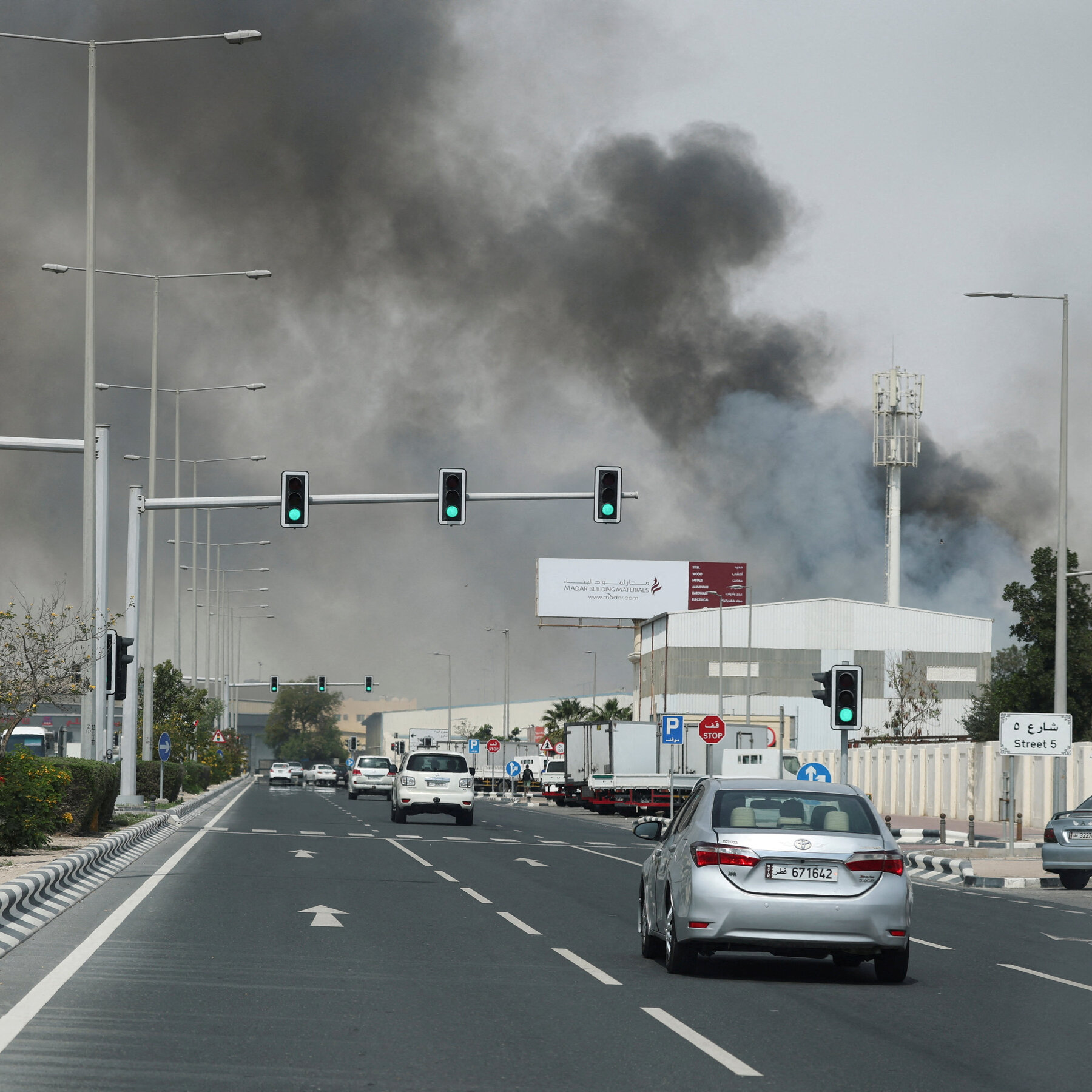
An explosion tore through part of the Ras Laffan industrial complex in Qatar on the morning of 22 June 2026, leaving 54 people injured and 18 missing, according to early accounts from Qatari authorities relayed by Reuters and by Ukrainian state-affiliated channels monitoring the Gulf. The blast occurred during a startup phase at one of the world's largest liquefied natural gas production centres, a facility that sits at the centre of European and Asian energy supply planning and is a flagship asset of state-run QatarEnergy. As of 08:14 UTC the precise cause had not been publicly identified, and the search for the missing was still under way.
Ras Laffan is not just another petrochemical site. It is the physical node through which a meaningful share of the world's LNG — particularly cargoes redirected to Europe since 2022 — actually transits. An incident at this scale is therefore read simultaneously as a humanitarian event, an industrial-safety question and a market signal. Each of those readings is being processed in real time by Qatari officials, by LNG buyers in France, South Korea and Japan, and by traders in Rotterdam and Singapore.
What is known, and what is not
The headline figures — 54 injured, 18 missing — were carried by Reuters at 07:50 UTC and corroborated shortly after by Telegram channels including TSN_ua and operativnoZSU, both of which referenced the same Qatari official update. The explosion is reported to have occurred during a startup procedure, the kind of operation that, in LNG train commissioning, is technically delicate and historically well-policed in the Gulf. None of the source items specify which train, which contractor, or which unit was involved, and QatarEnergy had not issued a public statement in the material reviewed at the time of writing.
There is also no immediate indication of the cause. Ras Laffan has experienced major incidents before — most notably a 2004 blast during construction that killed workers and, more recently, a 2021 fire on a storage platform that prompted evacuations — and past reviews have typically converged on procedural or hydrocarbon-release triggers during commissioning and maintenance windows. Whether this incident follows that pattern is a question for the official investigation, not for the wire stage of the news cycle.
Why the market is watching
LNG markets are, structurally, a small number of physical bottlenecks. Ras Laffan is one of them. A disruption at a single train at the complex can withdraw millions of tonnes per annum of flexible supply from a market already attuned to winter demand and to the chronic tightness in Atlantic basin cargoes. The initial reaction in the Asian spot market is therefore the second-order story that will unfold through the trading day, even as the human-cost story is the first-order one for Qatari emergency services and for the families of the 18 who remain unaccounted for.
For European buyers, the read is more layered. European utilities have spent three years building optionality away from a single piped-supply dependency, and Qatari long-term contracts are a meaningful share of that diversification. A sustained outage at Ras Laffan would not, in itself, redraw the European demand picture — storage levels and US Gulf Coast cargoes would absorb a short interruption — but a longer shutdown would expose how thin the margin of spare capacity really is during peak winter pull. Asian importers, particularly in Korea and Japan, would face the same arithmetic with a sharper immediate edge, because their contracted volumes from Qatar run heavier in the summer delivery window.
Industrial-safety framing, not geopolitical framing
There is a temptation, in the early hours of any incident at a Gulf energy asset, to reach for geopolitical explanation. The available evidence does not support that reach. The reporting does not point to attack, sabotage, or external action; the location is a civilian industrial site; the procedural setting — startup, not routine operation — is precisely the kind of window in which technical incidents are most common across the global LNG industry, not just in the Gulf. The structural lesson, if there is one, is the mundane one: hydrocarbon processing remains dangerous, even at facilities operated by the most experienced NOCs in the world, and the human cost of that risk falls on a workforce that is often migrant and frequently invisible in the export-economy narrative Qatar tells about itself.
That last point is worth holding. The 54 injured and 18 missing are not abstractions inside a commodities story. They are workers, and the labour composition of Ras Laffan — heavy on South Asian and Southeast Asian contract labour, as is the case across Gulf hydrocarbons — means that the diplomatic and consular fall-out from this incident will run through labour-sending capitals as much as through the Qatari authorities. India, Nepal, Bangladesh, the Philippines and Pakistan have historically maintained welfare desks for citizens employed at Qatari energy sites; expect those desks to be quietly active over the coming days.
What remains uncertain
Three things the sources do not yet tell us, and that the next 24 hours will probably clarify:
First, the operational footprint. Whether the incident is contained to a single unit or has affected shared utilities at the complex will determine the timeline to restart and the volume of cargoes withdrawn from the market. Second, the casualty trajectory. Industrial incidents of this class frequently see the "missing" count fall as accounting catches up with the injured, but they also occasionally see it rise as search teams reach less accessible areas; the next official update from Qatari authorities is the data point to watch. Third, the regulatory and insurance aftermath. QatarEnergy's incident history suggests a thorough internal review, and the company's commercial partners — from the major offtakers to the engineering contractors on site — will have their own liability questions to work through.
For now, the story is what the wire says it is: a serious industrial accident at one of the world's most important LNG sites, a search-and-rescue operation in progress, and a market beginning to price the possibility — not yet the fact — of a sustained supply withdrawal. Monexus will update as Qatari authorities clarify the operational picture.
— Monexus News will track the Qatari official update on the operational status of the affected unit and the consolidated casualty count, and will revise this article as that information becomes available. Where the wire diverges from regional Telegram reporting, the wire lead is the one Monexus runs with.
Wire provenance
This editorial synthesis draws on the following public wire/social posts:
- http://reut.rs/4fZN7Uh
- https://t.me/TSN_ua
- https://t.me/operativnoZSU