The 2026 NBA draft arrives with a thin prospect class and a franchise-altering top of the board
Twenty-four hours before Adam Silver walks to the podium in Brooklyn, the league's marketing machine is selling tears. The product on the floor is a thinner, more uncertain class than the pre-draft consensus has wanted to admit.
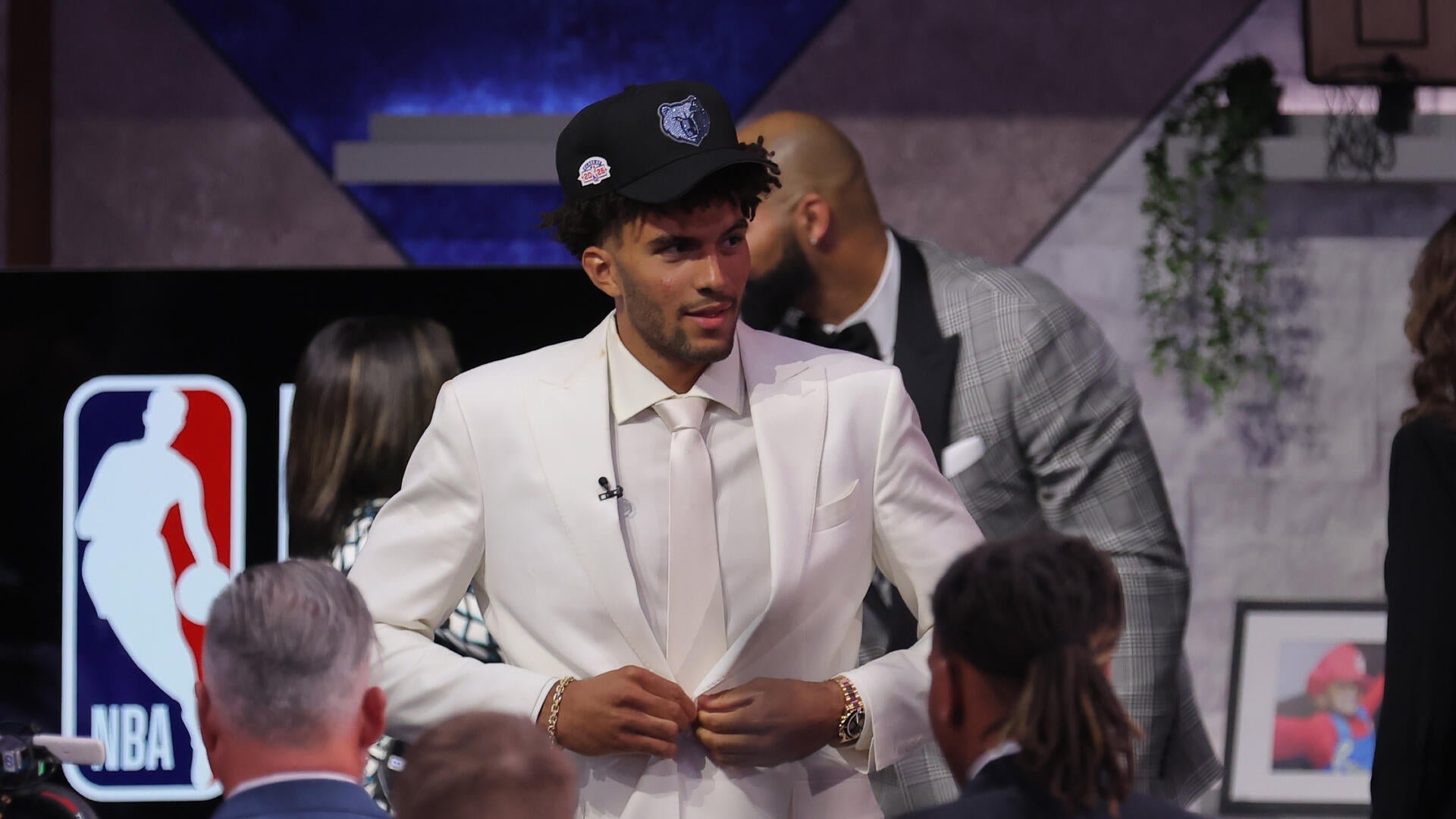
The first round of the 2026 NBA Draft tips off at 20:00 ET on Wednesday 24 June from the Barclays Center in Brooklyn, with ABC and ESPN carrying the broadcast live. By 13:19 UTC on Tuesday 23 June, the league's official NBA Live channel on Telegram was already selling the moment of maximum vulnerability: draftees, mic'd up, predicting whether they would cry when their names were called. The marketing is tight. The product, this year, is a little less so.
This is a draft where the structure of the league matters more than the structure of the class. Front offices know it, agents know it, and the broadcast — by design — will work to keep the audience from noticing until the names are on the jerseys.
A thin top, a heavier middle
The pre-draft consensus heading into draft week is that the 2026 class lacks a generational No. 1. That is not the same as saying the class is bad; it is a more specific complaint. The difference between Cooper Flagg and the second-best prospect in 2024 was enormous. The difference between the first and fifth name on most 2026 big boards is, by repeated scouting assessment, narrower than usual, and the depth past the lottery is thinner than the marketing materials suggest.
That matters because the NBA's draft economics depend on scarcity. When one player is visibly ahead of the field, lottery picks are easier to value in trade packages and rookie-scale contracts look like bargains. When the top is flatter, the cost of picking wrong rises sharply — and with the league's new collective-bargaining apron biting into how aggressively contenders can aggregate picks, the marginal cost of a miss is higher than it was five years ago.
The result, visible in trade activity all spring, is a market in which teams picking in the top five are pricing picks as if they will be players, while teams picking in the back half of the lottery are increasingly willing to attach second-rounders to move up or to cut bait on a veteran.
The counter-narrative: 'flat' is not 'bad'
The pushback from player-development staffs is real, and worth taking seriously. A class without a runaway top can produce a longer tail of rotation players, which is what most contenders actually need. The 2011 draft was declared thin on draft night; the league that came out of it included Kawhi Leonard, Jimmy Butler, Klay Thompson, and the two Morris twins. The 2018 class looked middle-of-the-road at No. 1 and produced Luka Doncic and Trae Young. Flat classes age well because their top picks are not pushed into roles they cannot yet play.
The risk, scouts concede, is that several teams in the eight-to-fourteen range will reach for need rather than for best-player-available, and that the second round will be unusually dependent on two-way and G League grooming to deliver any value at all. That is a survivable outcome for a deep front office and a dangerous one for a thin one.
What the broadcast will and won't show
The NBA's draft production has spent a decade learning to do two things at once: sell individual players as characters, and protect the league's interest in any given team picking in any given slot. The draftee-prediction gimmick — tears, hugs, the slow walk to the stage — is engineered to humanise teenagers in suits, not to scrutinise the choices that put them there. Coverage will spend airtime on outfits and family reaction shots, and relatively little on the trade calls happening in the back of the room that actually shape the next eighteen months of a franchise.
The contrast is the league's deepest structural problem in 2026: the gap between the emotional product the draft is sold as and the cold financial product the draft actually is — a salary-cap mechanism, a rookie-scale contract market, and a trade-currency factory, all of which now sit inside an apron regime that has materially changed the cost of every pick on the board.
Stakes for the next twelve months
For the teams in the top five, the question is whether the player they take becomes the offensive fulcrum of a roster that the new apron rules make expensive to build around. For the teams in the back half of the lottery, the question is whether a flatter class lets them find a rotation piece on a rookie deal while the contenders above them cannibalise each other in trade talks. For the league office, the question is whether the broadcast, sold on tears, can carry a class whose top is contested enough that the audience will not be sure they saw a star until two seasons in.
A thinner, flatter class is not a crisis. It is, however, a stress test — of the new cap rules, of the broadcast's ability to manufacture momentum, and of the front offices that have spent the last three months trying to price the difference between a starter and a rotation player on a four-year deal.
Desk note: Monexus is reading the pre-draft marketing against the structural reality of a flat class under a tightened apron. Wire coverage of draft night tends to lead with player narratives; this preview is trying to keep the cap sheet in the same frame.
Wire provenance
This editorial synthesis draws on the following public wire/social posts:
- https://t.me/s/NBALive
- https://t.me/s/NBALive