Tehran Tests the 60-Day Window
Sixty days is a long time in Middle Eastern diplomacy, and Iran is signalling, in plain words, that it intends to use them — blocking inspectors, hedging on frozen assets, and demanding a price for calm in Lebanon.
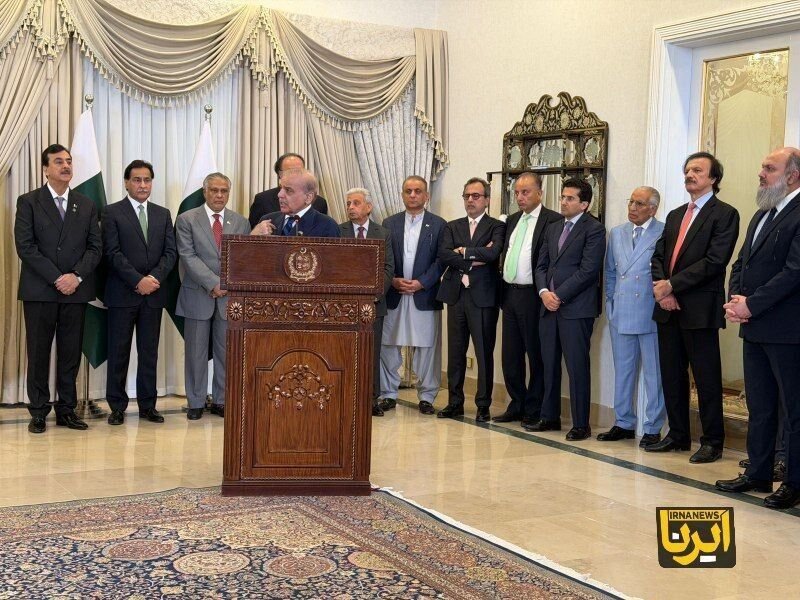
At 08:14 UTC on 23 June 2026, Iran's foreign ministry spokesman Esmail Baghaei put a marker down. There would be no International Atomic Energy Agency access to nuclear facilities damaged in what Tehran calls "the enemy's aggression," he said, and there had been no meeting with the agency's director. The remark arrived two hours before Iran's foreign minister sat down with US counterparts under a freshly minted arrangement that suspended sanctions for sixty days in exchange for a sustained lull in fighting in Lebanon. The gap between the two messages is the news.
What looks, from Washington, like a peace deal is, from Tehran, an opening negotiation. Iran is signalling, in language calibrated for domestic and regional audiences, that it intends to spend the sixty days extracting maximum value: blocking inspectors, leaving the question of released assets deliberately open, and pricing continued quiet in Lebanon at a level the United States has not yet acknowledged.
The inspector veto
Baghaei's line on the IAEA is the most consequential. Iran's position is that facilities struck during the recent exchange are off-limits to inspectors until Tehran decides otherwise. The framing — "the enemy's aggression" — places responsibility for the damage on the United States and Israel and recasts a routine inspection request as a sovereign matter.
This is not new in form. Past Iranian governments have restricted inspector access as leverage. What is new is the timing: the restriction is being announced at the precise moment a deal is supposed to be de-escalating. If the agency cannot verify the state of damaged facilities, it cannot verify Iran's compliance with the nuclear constraints that the deal is, on paper, meant to enforce. The sixty-day window begins, in effect, with a hole in the verification regime that the deal itself was designed to produce.
The money question left open
The same briefing was carefully ambiguous on released Iranian assets. Baghaei said Tehran would make decisions "in whatever way best serves the country's interests" and pointedly noted that there were "no restrictions in this regard." That is a diplomat's way of saying: the money is a bargaining chip, not a settled obligation.
The arrangement reported on 23 June suspends US sanctions for sixty days. Frozen Iranian funds in foreign jurisdictions — long a sticking point in any wider settlement — remain in legal limbo. By declining to characterise the funds as released, Iran keeps the asset question alive as a deliverable it can trade, while the United States holds the formal sanctions waiver it can withdraw on a defined schedule. Both sides are sitting on a clock that ticks for the other.
Lebanon as a price tag
The third line from the briefing is the most openly transactional. Baghaei dismissed as unacceptable "any excuse for the continuation of the Zionist regime's crimes in Lebanon" and described the United States' commitment as "completely clear." Read against Reuters's reporting that the arrangement includes a sustained lull in fighting in Lebanon, the message is direct: continued quiet in Lebanon is a deliverable Iran expects, and any Israeli action that breaks the lull will be framed as a US failure to deliver.
Iran's regional axis — Hezbollah's political and military position, the wider deterrent posture — is being treated as a service that Tehran is willing to suspend in return for sanctions relief, asset release, and a tolerable inspection regime. The brief is to remind Washington that the lull is opt-in, not earned.
What the sixty days are really for
A sanctions waiver is not a deal. It is a pause with a renewal cost. Iran is using the pause to convert a tactical military exchange into a strategic negotiation, with three objectives: re-open the asset channel without conceding on the nuclear file; normalise a temporary inspection regime that leaves the damaged sites off-limits; and bind Israeli operations in Lebanon to a US-managed ceiling.
The structural question the wire coverage is not yet asking is what happens at day sixty-one. If the deal is renewed, the United States has effectively acknowledged that sanctions suspension is the price of regional quiet — a price that grows with each renewal. If it is not renewed, Tehran can frame the lapse as a US breach and resume the activities the deal was nominally constraining. The arrangement is built to drift in Iran's direction unless Washington is willing to pay the political cost of letting it lapse.
What remains genuinely uncertain is the depth of the Israeli position. Israeli security concerns are not addressed in the public Iranian statements, and the brief Israeli reporting available does not specify what assurances, if any, were offered to Jerusalem before the package was announced. The deal, as described in the thread, is a US-Iran instrument, and the durability of any lull in Lebanon will depend on whether Israeli decision-makers treat it as binding. That answer is not in the available reporting, and the next two weeks of incidents — or their absence — will do more to settle it than any further press briefing.
Desk note: wire coverage has framed the 23 June package as a peace deal; Monexus reads it as a sixty-day option that Iran is already trading against its stated conditions.
Wire provenance
This editorial synthesis draws on the following public wire/social posts:
- https://t.me/ClashReport/
- https://t.me/ClashReport/
- https://t.me/ClashReport/
Follow the event.
These dated source records provide context. They do not retrospectively verify this archive article.
Separate what the nuclear watchdog reported from what it could not determine after the June 2025 strikes.