Koa Peat's slide to pick 30 exposes the new math of college basketball's pay-for-play era
Arizona's five-star freshman was projected inside the lottery. He went 30th to Dallas — a fall that crystallises how dramatically the calculus has changed for elite one-and-done prospects.
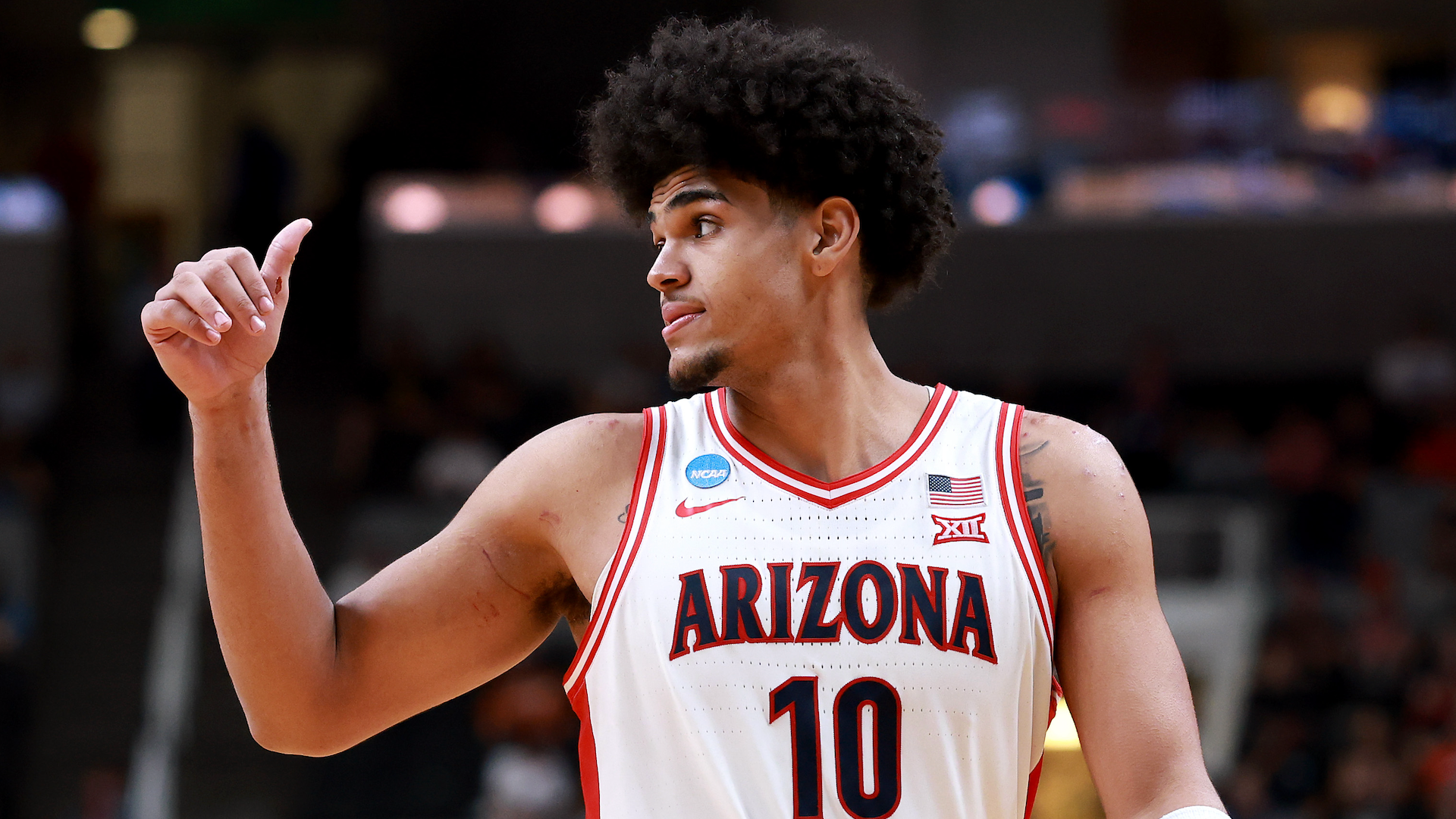
Koa Peat, the five-star Arizona freshman whose one-and-done season was supposed to make him a top-ten lock, instead slid to the final pick of the first round on 24 June 2026, when the Dallas Mavericks called his name at number 30. By the time the call came, every lottery team had passed. The slide, captured in real time on draft-night broadcasts, is now the cleanest data point yet for a question the college game has been avoiding: in a world where elite freshmen can earn more in college than the rookie minimum, is leaving after a single season still the rational bet?
The numbers, in retrospect, were not subtle. Peat arrived in Tucson as the kind of recruit whose profile is typically measured against lottery mocks, not second-round ceilings. His age, his frame and the tape from the Pac-12 all read the same way. What changed, according to draft analysts, was the broader economic context — a context in which a second collegiate season, played under a collective bargaining agreement that allows schools to share revenue directly with athletes, would have paid more in a single year than Peat is likely to earn in his first NBA contract.
The contract calculus
Per the latest collective bargaining framework, NBA first-round picks are paid on a slotted scale. The 30th overall selection in 2026 will earn a small fraction of the figure commanded by the number-one pick, and the gap is structural, not negotiable. By contrast, the new revenue-sharing model in college basketball, ratified by the schools and the players' association, permits institutions to direct a meaningful share of broadcast and tournament revenue to athletes on campus. For a prospect of Peat's profile — a face-of-the-program recruit with national jersey sales, a robust social following and a marquee conference schedule — the second-year earnings ceiling is, by multiple industry estimates, higher than the rookie-scale number attached to a late first-round slot.
That inversion is the heart of the debate. When leaving school early is, on net, a pay cut, the conventional wisdom that scouts and agents have repeated for two decades stops functioning as wisdom. It becomes, instead, a habit.
What the mocks missed
The pre-draft consensus was that Peat was a lottery talent. Multiple outlets listed him inside the top fourteen throughout the spring. Front offices, however, vote with their board, and the board told a different story on Wednesday night. Twenty-nine teams passed. Cleveland took UConn's Alex Karaban at 29, a pick announced shortly before Dallas was put on the clock.
The discrepancy between public mocks and the actual selections has become a recurring feature of this draft cycle. Scouts who spoke on background in the days leading up to the event cited two factors repeatedly: a deeper-than-expected class of upperclassmen, several of whom had taken advantage of the extra eligibility year granted by the pandemic-era rules; and a growing wariness among front offices about projecting freshmen production against seasoned competition.
What it means for the player-development pipeline
For years, the path to the league ran through one season of college basketball. That path was forged in an era when NCAA rules forbade athletes from earning, when the gap between amateur compensation and professional scale was a chasm, and when a top-ten slot was the only realistic return for a prospect willing to gamble on himself. Each of those conditions has changed. The compensation gap is closing, in the wrong direction for the league. The lottery is wider and more competitive. And the players' association has shown little appetite for the kind of rookie-scale reform that would, in one stroke, restore the old incentives.
The result is a draft in which front offices, conscious of their own financial constraints under the league's second apron, will be more inclined to take the surer thing — a 22-year-old whose game is already shaped — over the 19-year-old with a higher theoretical ceiling. Peat, in this reading, is not a scouting failure. He is the leading edge of a structural shift in how elite basketball labour is priced.
The forward view
The harder question, the one the league and the players' association will have to answer in the next round of collective bargaining, is whether the rookie scale and the college revenue model are now operating in the same labour market — and, if so, which side adjusts. Either the scale rises, in ways that compress the financial advantage of staying in school, or the college share falls, in ways that push top freshmen back toward the league. The third option — the one currently in force — is a continuing slow bleed of talent into college, and front offices drafting on the thinnest possible tape.
For Peat personally, Dallas offers a known quantity: a front office long comfortable with high-variance prospects, and a developmental infrastructure that has, in recent years, turned second-round capital into rotation players. Whether his career arc validates the slide, or whether he becomes the cautionary tale cited by every agent and parent in next year's recruiting class, is a question only time will settle. What is already certain is that the slide itself has become a referendum on a system nobody seems to have designed on purpose.
Desk note: Monexus framed this as a labour-economics story — a price-signal in a market that has stopped making sense to the people it is meant to serve — rather than a scouting referendum on one prospect. The draft-night result is the news; the underlying structure is the story.
Wire provenance
This editorial synthesis draws on the following public wire/social posts:
- https://t.me/NBALive/2030
- https://t.me/NBALive/2029
- https://en.wikipedia.org/wiki/2026_NBA_draft