Neymar's return and the security shadow over a World Cup that already feels stretched
Brazil's talisman is reportedly available again for selection, while US authorities disclose a 300-drone interdiction effort around tournament venues. The football and the security apparatus are both being run at full stretch.
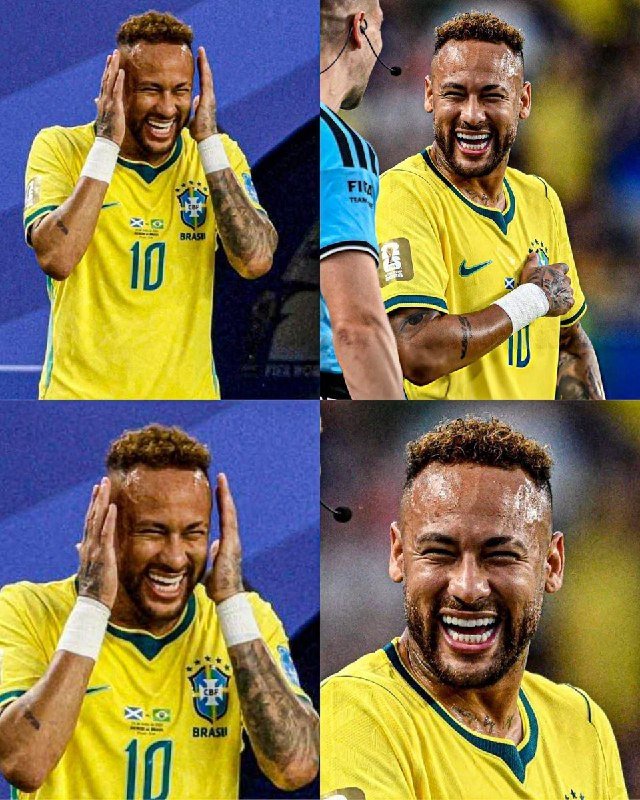
Neymar is fit again and, according to the official FIFA channel and The Athletic's match-feed account, available for selection by Brazil at the 2026 World Cup. The same news cycle that delivered the 24 June 2026 fitness update also carried a quieter, more uncomfortable disclosure from US officials: more than 300 drones have been seized in the vicinity of World Cup host venues since play began. The two stories are not unrelated. They sit on either side of the same tournament — the spectacle the federation is selling and the security perimeter the host country is being forced to build around it.
What this article argues is straightforward. The Neymar news is good for the tournament's product. The drone-interdiction news is good for the tournament's viability. Both deserve to be read as operational facts rather than promotional copy, and both should temper the easy assumption that a 48-team World Cup across three North American countries is running on rails.
The fitness update, in context
The 24 June 2026 FIFA-channel post that Neymar is "fully fit and available for selection" was echoed within minutes by The Athletic's Telegram wire, which carried the same wording. Neither post identifies the source of the medical clearance — Brazil's staff have not, in the public posts reviewed here, named the physio or team doctor behind the assessment — and both stop short of confirming minutes against an opponent. For a 34-year-old attacker whose recent club career has been a procession of muscle and knee complaints, "available for selection" is a thinner claim than "starting" or "90 minutes under his belt in a friendly." Brazil's group-stage position, and the political weight the federation places on a deep run in North America, make the distinction material.
The read is that Brazil's medical and selection staff are choosing language carefully enough to satisfy broadcast partners and shirt-sponsor obligations while preserving tactical optionality. Whether that caution extends to actual minutes will be visible the next time the team-sheet drops.
The interdiction figure, in context
The second item is harder. The Polymarket-affiliated X account reported on 23 June 2026 that US officials had said more than 300 drones had been seized near World Cup sites since play began. The figure is striking for two reasons. First, the rate: a 300-drone interdiction effort implies a steady, multi-week tempo of incursions or probes, not a one-off weekend spike. Second, the absence of named agencies in the post. The framing is "US officials," which in this cycle of reporting has most often meant a joint task force involving the Department of Homeland Security, the FAA, and FBI counter-UAS units, but the thread itself does not name them. Readers are being asked to take the scale on faith and to assume the institutional plumbing underneath is competent.
The plausible counter-read is that the 300-drone figure aggregates nuisance incidents — hobbyist flights, commercial drone misadventures, near-misses inside stadium TFRs — alongside anything more concerning. Tournament organisers have an interest in publishing a high number, because it demonstrates operational reach and justifies the airspace restrictions that have inconvenienced local pilots and small operators. That does not mean the number is wrong; it means the number, alone, is uncalibrated. A breakdown by category, by origin, and by enforcement outcome would convert the figure from a talking point into evidence.
The structural frame, in plain prose
A World Cup is now two simultaneous projects. There is the sporting competition — fixtures, squads, narratives — and there is the host-state guarantee that the competition can proceed without disruption. The second project has grown heavier in each cycle. Russia 2018 ran under a comparatively austere airspace regime; Qatar 2022 ran under an integrated drone-detection stack that treated the perimeter as a single defended object. The 2026 edition, distributed across the United States, Canada and Mexico and operating across time zones and jurisdictional seams, has had to assemble its own version of that stack under federalism. The interdiction figure is the public receipt of that effort.
This is also where the Neymar story does its quietest work. A federation with a recovered talisman and a marketable group stage has an interest in keeping attention on the football. A host government with an active counter-UAS programme has an interest in keeping attention on the interdiction number, framed as competence. Both campaigns are running in parallel, and both depend on the public reading each headline at face value.
Stakes, and what remains uncertain
For Brazil, the stake is straightforward: a healthy Neymar restores a creative axis the Seleção have visibly lacked in recent windows, and the federation's commercial book for the cycle is materially helped by his presence. For the host authorities, the stake is reputational — a single high-visibility drone incident at a stadium would convert the 300-drone figure from a reassurance into an indictment of effort. For the tournament as a whole, the stake is the contract between organisers and audience: the implicit promise that the show will go on, that airspace will hold, and that the players the public came to see will actually play.
What the available sources do not resolve is whether the 300-drone figure includes repeat incidents at the same venue, whether any of the seizures have yielded criminal prosecutions rather than just confiscations, or whether Neymar's "available" status translates into a starting berth in the next fixture. Those are the questions that will determine whether the next 72 hours are remembered as a news cycle or as a turning point.
Desk note: Monexus treats the fitness and security stories as two halves of the same operational picture, rather than as separate news beats — the federation sells spectacle, the host state sells safety, and the public deserves to see both ledgers in the same article.
Wire provenance
This editorial synthesis draws on the following public wire/social posts:
- https://t.me/FIFAcom
- https://t.me/TheAthletic
- https://x.com/polymarket/status/