Trump's Iran deal is selling cheaper oil and a louder family chorus
A self-congratulatory Trump family press cycle is converging with sub-$70 crude, framing a diplomacy that has yet to publish its terms.
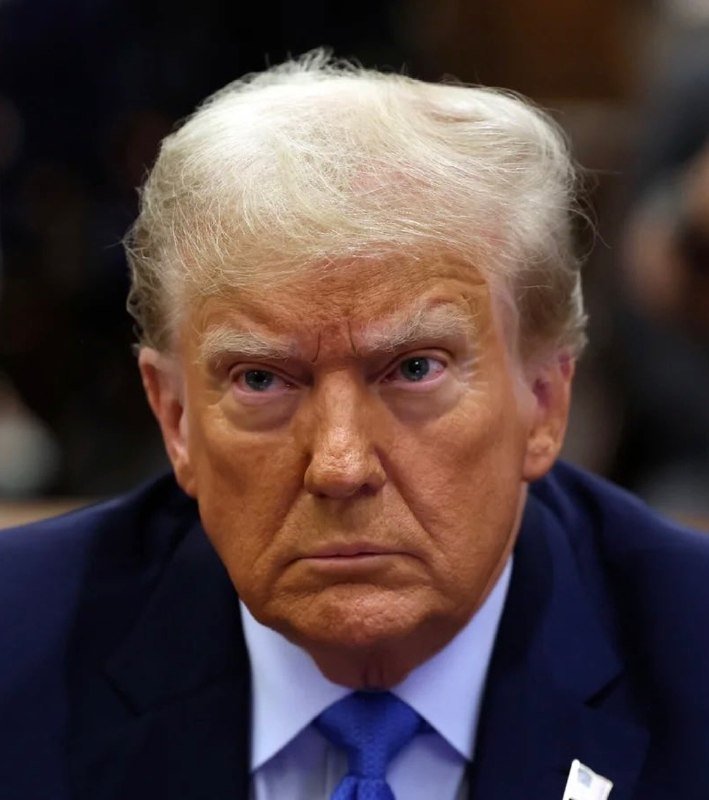
On 24 June 2026 at 15:46 UTC, Donald Trump Jr. took a public bow for an Iran agreement his father signed, telling followers that the deal had driven US crude futures below $70 a barrel. The pitch was tidy, the price move real, and the press strategy unmistakable: deliver the diplomatic win in the same sentence as the market dividend.
The transaction is the story. A White House that two months ago was trading threats with Tehran is now selling itself as the steward of a $9-a-barrel relief programme for American drivers. The architecture behind that turn — what was conceded in Geneva, what was deferred, what was frozen, and what was unfrozen — has not been put on the public record. The price chart is doing the talking instead.
The headline and the headline behind it
The immediate frame coming out of the Trump family channels is straightforward: peace dividend, lower pump prices, presidential deal-making in the same mould as the 2020 Abraham Accords rollout. President Trump's earlier public claim — that Iran's unfrozen assets will be directed toward purchases of US agricultural produce — turns the deal into a closed-loop subsidy: Iranian liquidity flows back to American farmers, oil stays cheap, and Tehran receives a sanctions carve-out narrow enough to claim as leverage rather than relief.
It is a clean story, and like most clean stories from this White House, it is missing the texture. The terms of the unfreezing, the scope of sanctions relief, the verification mechanism for any nuclear constraint, and the role of Gulf intermediaries are all absent from the public commentary loop that produced the sub-$70 print. The deal is being marketed before it is being read.
What cheaper crude actually means here
A move under $70 is not a victory lap on its own. Brent and WTI spent the back half of 2025 trading in a corridor shaped by Chinese refinery demand, OPEC+ quota discipline, and a soft global manufacturing cycle. Whatever credit belongs to the Iran framework sits on top of those pre-existing currents. The honest question is not whether the price fell, but how much of the fall is durable — how much is a relief rally over a headline, and how much reflects a structural re-pricing of the Gulf risk premium.
Two readings are plausible. The first is that the market believes a kinetic chapter has closed and is widening the discount to compensate for the months of escalation that preceded it; the rally then fades as the underlying supply surplus reasserts itself. The second is that the framework genuinely re-routes Iranian barrels back into compliance with sanctions architecture, and the price drop is a one-off transfer from producers to consumers rather than a new equilibrium. The public commentary around the deal does not yet let an analyst choose between them.
The press strategy, and what it is doing to the deal
There is a second transaction running parallel to the diplomatic one. The Trump family's instinct to credit itself in real time, down to the hourly Telegram post, converts a foreign-policy outcome into a domestic advertising artefact. The benefit is obvious: the administration gets to claim a tangible consumer win ahead of the autumn political calendar. The cost is equally obvious. A deal whose press cycle outruns its text invites the kind of scrutiny that has historically undone Middle East frameworks — overpromised verification, under-defined rollback, and a sanctions regime that the next administration can either honour or shred at will.
It also narrows the audience for the deal itself. Iranian officials, Gulf monarchies, and European negotiators are now reading the agreement through the lens of an American political operation rather than as a sober strategic settlement. The framing — Iran as customer of US farm goods, oil as the relief-valve metric — flattens a regional balance of power into a transactional ledger. Tehran's propagandists can caricature it as surrender; Israeli planners can read it as a confidence-sapping concession; Gulf energy ministries can discount it as a sprint before the next crisis.
Stakes, and what remains unverified
If the trajectory holds, the winners are clear in the short term: American consumers at the pump, the White House political operation, and the OPEC+ ministers who would rather see a soft market than a panic. Iranian recipients of unfrozen funds are also clear winners in a narrow sense, though the longer-arc question of whether the relief converts into durable economic stabilisation or simply funds a managed austerity is open. Losers include any sanctions hawk whose model of maximum pressure depended on Iranian isolation rather than managed re-engagement, and any future US president who inherits an architecture defined more by press releases than by signed annexes.
The sourcing remains thin. The thread items captured here confirm the family-celebration timing, the sub-$70 print, and the farm-goods claim about Iranian unfrozen assets. They do not specify the legal mechanism for the unfreezing, the counterparties on the Iranian side, the escrow or trust structure if any, or the inspection regime attached to any nuclear constraint. A reader relying only on these inputs cannot verify the deal's substance — only its marketing.
That is the most important sentence in this story. A Middle East framework whose price move is real but whose text is still being drafted is a framework living on borrowed confidence. The administration has earned a few weeks of cheap petrol. It has not yet earned the durable architecture that the next price spike will demand.
Desk note: Monexus framed this as a press-cycle story first and a foreign-policy story second; the wire coverage has run in the opposite order, treating the framework as fait accompli before the text exists.
Wire provenance
This editorial synthesis draws on the following public wire/social posts:
- https://t.me/wfwitness
- https://t.me/wfwitness