Dead rubbers and drone seizures: the integrity questions hanging over the 2026 World Cup's final group games
With eight teams already out of contention and US officials reporting more than 300 drones seized near match venues, the tournament's final round of group fixtures is running short on both jeopardy and trust.
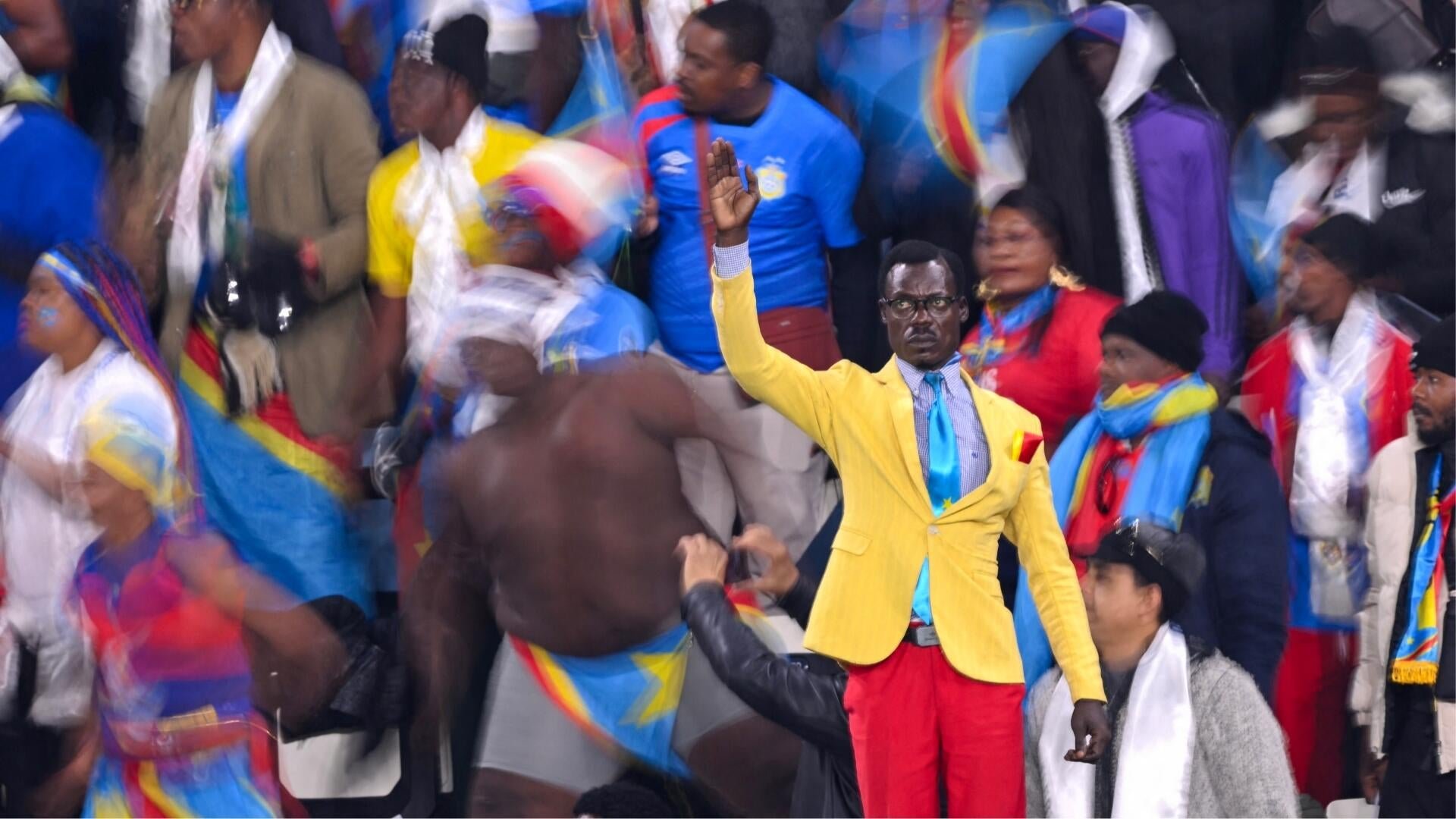
By 23 June 2026 the 2026 World Cup had reached the part of the tournament that broadcasters dread and integrity officers circle in red pen: the final round of group games, played simultaneously across host cities in the United States, Canada and Mexico. Eight of the 32 teams had already been eliminated. A further eight had already secured passage to the round of 32. That left roughly half the field playing for very little, in a format expanded specifically so that jeopardy would survive deeper into the schedule. The early evidence, on the evidence available so far, suggests it has not.
The integrity question is not new. Every World Cup since 1990 has produced a fixture list in the final round where one side has everything to play for and the other has nothing but a booking to avoid. The 2026 edition, however, has layered two concerns on top of the familiar one. The first is structural: an expanded 48-team field, three host nations and 12 groups mean more dead rubbers, more last-day coordination and a wider surface area for the appearance — and the reality — of gamesmanship. The second is operational: US authorities have confirmed the seizure of more than 300 drones in the vicinity of World Cup venues since play began, a security picture that goes well beyond the usual stadium-perimeter concerns and into the airspace over host cities.
A format that exported the problem
The decision to expand the field from 32 to 48 teams was sold, fairly, as a growth story: more nations, more broadcast hours, more of the world watching. It was also sold, less openly, as a way to deepen the commercial relationship between FIFA and its broadcast partners in the final round of group games. The trade-off was always going to show up here. With 12 groups of four, only the top two plus the eight best third-placed sides advance. That arithmetic means a clutch of third-place teams will finish the group stage knowing exactly what result they need; it also means a clutch of teams will know, before kick-off, that the only available result is one that does not advance them.
The BBC's analysis on 23 June was blunt about the consequence: with eight teams already qualified and eight already eliminated before the final round of group games were played, the jeopardy that the format was supposed to preserve has been visibly thinned. A dead rubber still produces 90 minutes of football, but it produces 90 minutes in which neither side has an incentive to win, and in which both sides have an incentive to avoid injury. That is the terrain on which integrity suspicions thrive — not because the players or staff are doing anything wrong, but because the structure invites the question.
The airspace question
On 23 June, separately from the sporting analysis, US officials confirmed that authorities had seized over 300 drones near World Cup sites since play began. The figure was reported by the prediction-market account @polymarket on X, citing US officials; the underlying statement, the scale of the response and the specific agencies involved are not yet in the public record from a primary Western wire source as of this article's publication on 24 June 2026.
The number matters less than the category of concern. Drone incursions around major sporting events are no longer a hypothetical. Stadium airspace has become contested ground across the United States, Europe and the Gulf, and a tournament spread across three countries and dozens of venues is, by design, the most expansive airspace target an organiser could construct. Three hundred seizures in the group stage alone is the kind of figure that, once it is verified, will reshape the security budget for the knockout rounds — and the political conversation around them.
Counterpoint: the format is doing what formats do
There is a defensible counter-read. Dead rubbers are a feature of every World Cup. The 2022 tournament in Qatar had them; the 2018 edition in Russia had them; the 1990 edition in Italy, played with a smaller field and a more punishing format, also produced them. The complaint is perennial precisely because the alternative — a knockout stage from day one — would compress revenue and reduce the number of nations who get to taste the tournament at all. FIFA's commercial model depends on the group stage, and a group stage with 48 teams will, by construction, produce more games in which the result does not change either side's fate.
A second, weaker counter-read points to the players. Elite professionals, the argument goes, do not need a trophy on the line to compete; national-team shirt, crowd and country supply enough motivation. That is true often enough that it is worth stating. It is also not the issue. The issue is not whether the players will try. The issue is whether the schedule, broadcast and betting ecosystem around them will reward results that the on-field product has no business producing.
What the next ten days will tell us
The integrity questions are now running ahead of the answers. FIFA's disciplinary apparatus has not, in the public record so far, signalled that any group-stage fixture is under formal review. US security agencies have not, in the available reporting, attributed the drone seizures to a specific actor or campaign. The broadcast partners have not, predictably, said anything at all. Each of those silences will be filled by someone; the question is whether the filling is done by primary documents or by speculation.
The tournament has ten days of football left in the group stage before the round of 32 begins in earnest. That window is now carrying three loads: the sporting question of whether the expanded format can produce a competitive final round, the security question of whether 300 drones near venues is a feature of a hostile campaign or the cost of doing business in 2026, and the institutional question of whether the bodies running the tournament can answer both in public, on the record, before the answers answer themselves.
This publication framed the final-round jeopardy and the drone-seizure figures as two distinct strands of one integrity question, rather than as a single security story. The sources do not currently link the two — the BBC's analysis is sporting, the drone figure is operational — and conflating them would do neither justice.
Wire provenance
This editorial synthesis draws on the following public wire/social posts:
- https://x.com/polymarket/status/