Pride and survival: the 48-team World Cup's quiet middle is louder than predicted
Two games into a 48-team World Cup, the format's loudest critics warned of dead rubbers. Early evidence from the group stage suggests otherwise.
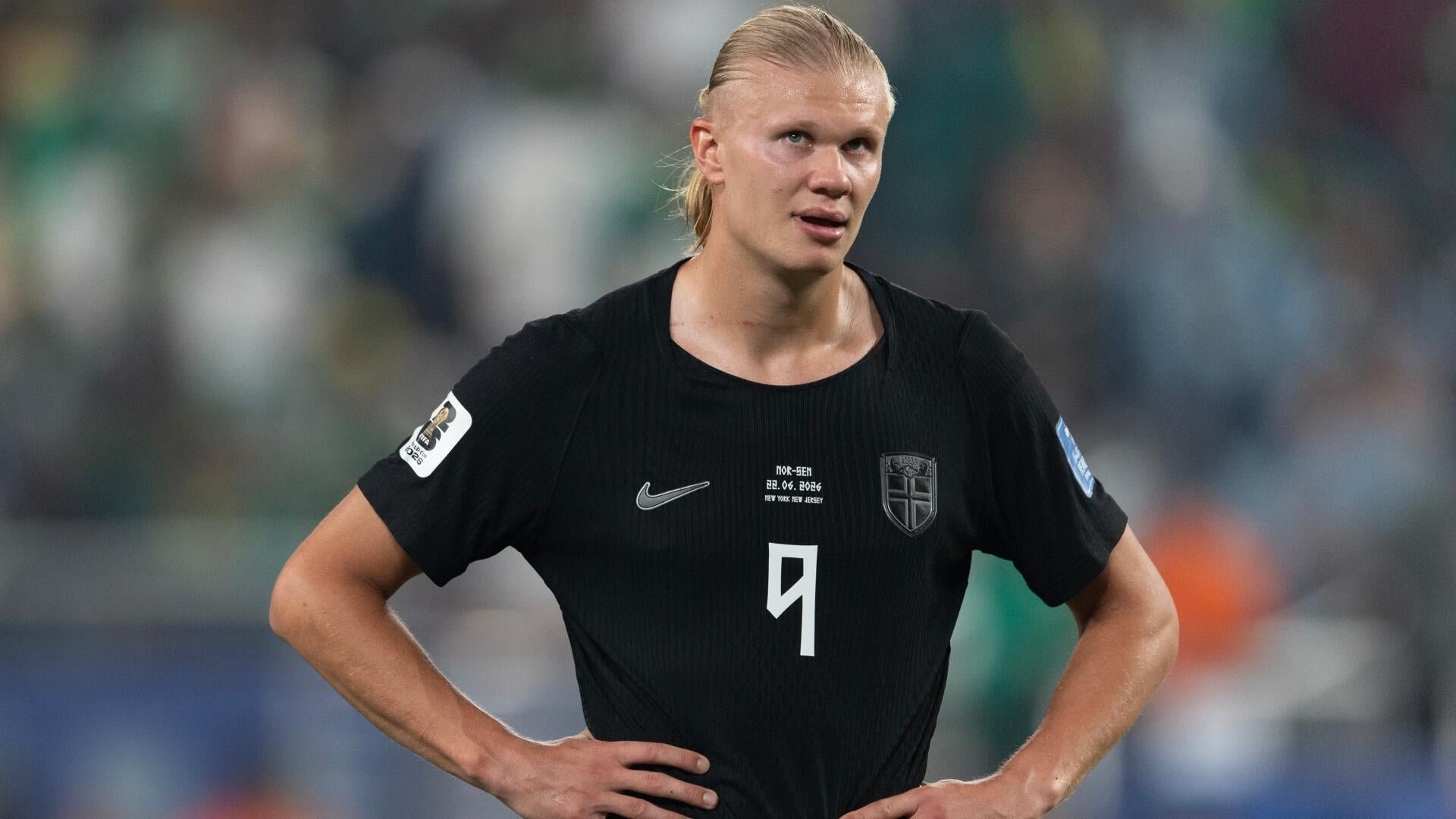
Two games into a 48-team World Cup and the format's loudest critics have not been vindicated — at least not yet. Reporting on 24 June 2026 from inside the camps of sides already eliminated finds players and staff talking less about holidays and more about legacy. The early read from the group stage is that a tournament designed for revenue may yet produce competitive football in the third fixture, the one that, in the old 32-team calendar, used to be optional viewing. That matters for FIFA, for the broadcast partners underwriting the expansion, and for every nation still learning what "World Cup participation" actually buys them.
The structural bet behind the 2026 tournament is that more teams means more matches, more markets, and a longer commercial runway. The risk is the matches no one watches — dead rubbers between sides whose fate was sealed on matchday two. Early evidence from the wire suggests the risk has not been eliminated, but it has been muted by something the pre-tournament modelling may have under-weighted: players playing for places in the record book, for contract renewals, and for the small matter of national pride.
The case the critics made
Before kickoff, the dominant argument against expansion was arithmetic. Forty-eight teams, twelve groups, two automatic qualification slots per group, plus a thicket of third-place advancement pathways. The premise was that the additional four spots would dilute quality, and that sides out of contention by the second matchday would treat the third as a warm-down. FIFA's commercial partners — broadcasters and sponsors paying the freight for a tournament that already runs into the billions — made clear that dead fixtures are bad product. The format's defenders, including FIFA President Gianni Infantino, countered that the third-matchday slots in expanded tournaments have historically produced surprise results and high-intensity play because squads rotate and pressure loosens.
CBS Sports reported on 24 June 2026 that the on-the-ground picture contradicts the doomscroll version. Players from sides already eliminated told the outlet they intend to play the third group-stage match at full intensity. "We're not going to come out and roll over," one player said, in framing the outlet used to anchor its piece on pride matches. The piece is built around the tension between the pre-tournament fear of meaningless fixtures and the early-tournament reality of squads still fighting for ranking points, for historical firsts, and for the small but real currency of a final-16 near-miss.
What two matchdays actually show
ESPN's midway audit, also published on 24 June, took a different cut. Instead of asking what eliminated teams will do, it asked who had won and lost the opening two fixtures. The headline framing — winners and losers, players and nations — is a reminder that the audit question, not the elimination question, is the one broadcast partners actually care about. Audiences stay for stars, and stars stay for the knockout bracket. Two games into a 48-team tournament, the noise is that a handful of marquee names have under-performed, several second-tier federations have over-delivered, and at least one pre-tournament favourite is already performing below baseline expectation.
The two threads converge on a single point. The format's defenders were right that an expanded field creates more matches; they were not necessarily wrong that those matches would be competitive. The critics were right that not every match in a 48-team field will carry the same weight. The question is whether the weighted and unweighted matches, in aggregate, generate more or less total attention than the 32-team version did. That answer will not be in for weeks, and the broadcast partners underwriting the tournament are the ones with the cleanest read on it.
A structural read on the format
What FIFA is selling, in plain terms, is a longer event. Every additional matchday in a 48-team field is incremental broadcast inventory, incremental sponsorship surface, and incremental host-city revenue. The commercial logic of expansion does not require that every game be a classic; it requires that the average game be valuable enough, in aggregate, to clear the higher production and rights cost. The third-matchday group fixture is the marginal unit. If it consistently plays as the old third matchday used to — high rotation, loose defending, dead atmosphere — the format is leaking value. If it plays as a pride match, with squad players auditioning for moves and senior players chasing records, the format holds.
The pre-tournament modelling, by the sports consultancies that advise federations on qualification bids, tended to assume the third fixture would leak. The early evidence is that the assumption was conservative, and that the consultancies' client base — national associations, host-city economic development agencies — may have been under-sold on the upside. Whether that proves out across all twelve groups, including the ones where both qualifiers are settled and the eliminated side is exhausted, is the open question for matchday three.
Stakes and the week ahead
The stakes are not abstract. FIFA's commercial partners built business plans around the 48-team format; the broadcast rights were sold on a particular view of the schedule. If the third matchday produces a high share of dead rubbers, the renegotiation leverage for the next cycle shifts toward the broadcasters. If the third matchday produces the kind of fixtures the early reporting describes — competitive, with something on the line beyond points — the format's commercial logic is reinforced and the next expansion conversation becomes easier for FIFA to start. For smaller federations, the read is more direct. A first-ever World Cup point, a first-ever World Cup goal, a first-ever clean sheet — these are the line items on a federation's annual report. They justify the four-year qualifying cycle and they keep the funding tap open at home.
What remains genuinely uncertain is whether the pride effect holds across all twelve groups, or whether it concentrates in the groups where one of the eliminated sides is a debutant with a storyline to write. The wire so far has featured the debutants prominently. The wire has been thinner on the eliminated traditional powers, where the pride calculation is mixed with the more complicated question of whether a third group-stage match exposes a squad to injury risk before a future competitive window. The next seventy-two hours of football will test both. The format's loudest critics are not yet vindicated. They are not yet proven wrong, either.
This publication framed the 2026 group stage through a competition-and-commerce lens — the wire coverage leaned on the prestige and pride angle; the structural question of what an extra fixture is worth to the rights holders sits underneath both.