Brazil and Bosnia book places to chase: a 2026 World Cup group stage in the last week of June
With the round of 32 within reach, Brazil faces Scotland and Bosnia-Herzegovina meets Qatar on Wednesday — fixtures where seeding math, not glamour, decides who plays on.
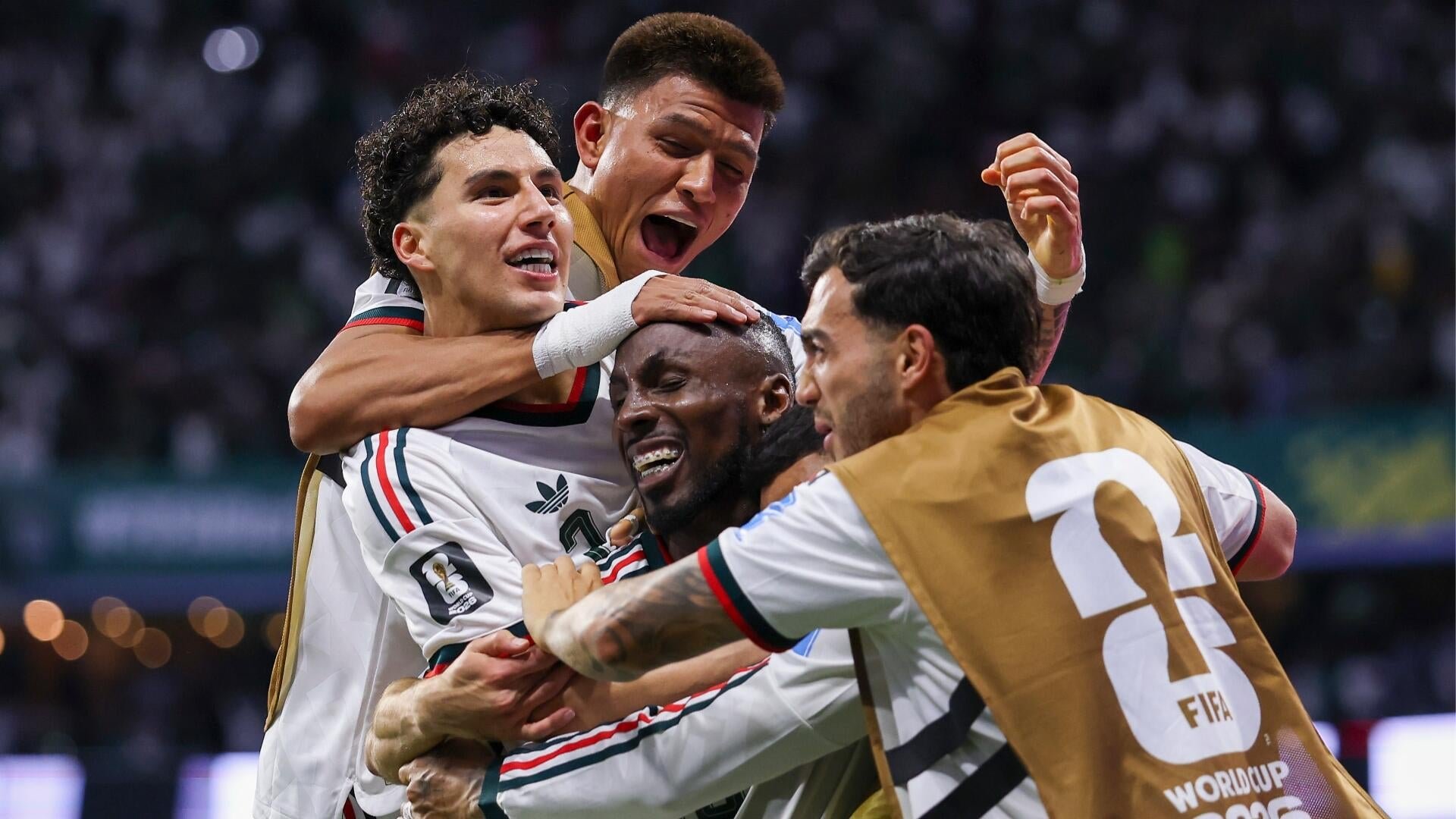
On Wednesday 25 June 2026 the FIFA World Cup 2026 enters the final stretch of group-stage play, with two fixtures whose outcome — more than their marquee value — will shape the bracket. Brazil meet Scotland, and Bosnia and Herzegovina meet Qatar, both with round-of-32 places hanging in the balance. CBS Sports has installed Brazil as favourites against Scotland and Bosnia-Herzegovina as favourites against Qatar in the odds it published on 24 June, but seeding arithmetic, not reputation, will do the actual work at kick-off.
Group play this deep into a World Cup is rarely about aesthetics. It is about who has done enough to advance and who has one game left to fix what is broken. That is the texture of this Wednesday's slate, and it is the only honest way to frame a pair of matches that the broader American audience will otherwise read as routs on paper.
Brazil–Scotland: favourites, but a job to finish
CBS Sports' 24 June 2026 odds piece on the Brazil–Scotland match frames the South Americans as heavy favourites, with SportsLine handicapper Martin Green disclosing his best bets for the fixture. The match matters less for Brazil's progression — already comfortable on points in most plausible group scenarios — and more for the audit it runs on the Selecão's second string. Vinícius Júnior and the rest of the senior attackers have carried the qualifying narrative through the spring; what Wednesday tests is whether Brazil's depth chart holds up against a Scotland side whose physical, direct style has historically made life uncomfortable for technically superior opponents.
Scotland's incentive is sharper. A draw or better keeps alive the country's first men's World Cup knockout-round appearance in the modern era; a loss almost certainly sends them home. The handicap on the fixture, as CBS Sports lays it out, is calibrated accordingly — Scotland's price is long because the market expects Brazil to control territory and shot volume, but the live-game market will move with every set piece and counter that the Scots convert into half-chances.
Bosnia-Herzegovina–Qatar: seeding on the line
The companion fixture is the more interesting tactical question. CBS Sports' same-day preview of Bosnia-Herzegovina against Qatar, written before kick-off, describes both sides as playing for places in the round of 32. Edin Džeko's side, drawn into a group that does not contain any of the traditional European heavyweights, has the talent to advance but has shown the inconsistency that has dogged Bosnian qualifying campaigns for a decade. Qatar, the 2022 hosts, arrived at the 2026 tournament under a different brief — testing a younger squad against elite opposition, with less pressure on progression than on performance benchmarks.
That mismatch in incentive is where the betting line lives. Bosnia-Herzegovina are favoured because their ceiling is higher and Qatar's rotation pattern suggests a deeper squad on the pitch. But Qatar at home-continent familiarity — the Gulf game, the climate — is not nothing, and the markets know it.
The structural read: a tournament the calendar finally caught
What stands out about this World Cup is not the football but the calendar math. Twenty-four June 2026 means the group stage is concluding in the late-spring window that the European leagues vacated only weeks ago, and clubs are already pushing FIFA publicly on rest, load management, and insurance coverage. None of that surfaces in the betting sheets — and none of it should, because the job of a price is to capture the probability of one team beating another in the next ninety minutes, not the structural grievance of the employer who owns the player's contract. But the calendar is the real story of the tournament, and it will outlast every result from this Wednesday.
A second structural point: the expanded 32-team format has produced exactly the kind of late-stage group fixture this bracket now depends on. Bosnia-Herzegovina's late-window group-stage match against Qatar is a cleaner illustration than the marquee games because both teams are playing the seeding, not the crowd.
Stakes and what to watch
If Brazil beat Scotland and Bosnia-Herzegovina beat Qatar, the round-of-32 bracket sorts cleanly by FIFA ranking. A Scotland upset in either direction reorders the entire path through the knockout rounds and would be the headline out of Wednesday regardless of what happens in the other match. For Bosnia-Herzegovina, the stakes are existential in the soft sense — a generation that includes Džeko, Miralem Pjanić, and a crop of Bundesliga- and Serie A-based midfielders will not get another clean shot at a tournament of this scale.
What the sources do not specify, and what no preview can, is how the two games interact as information. A Brazil blowout sets a goal-differential floor for the chasing teams; a Bosnia win tightens the table elsewhere. Wednesday is a day of arithmetic dressed up as football, and the bracket will show it by Thursday morning.
— Monexus framed these fixtures around the seeding stakes rather than the marquee, which is how the wire treated them as well. The difference is the calendar point: a 32-team World Cup, finishing in late June, has changed what a group-stage Wednesday looks like.