Oil eases back as Hormuz traffic holds, but Iran's threat to halt IMO evacuation plan injects fresh uncertainty
Vessel traffic through the Strait of Hormuz held at 70 crossings on 24 June even as the IMO prepared to pause its evacuation plan, with oil prices drifting to levels unseen since before the Iran war.
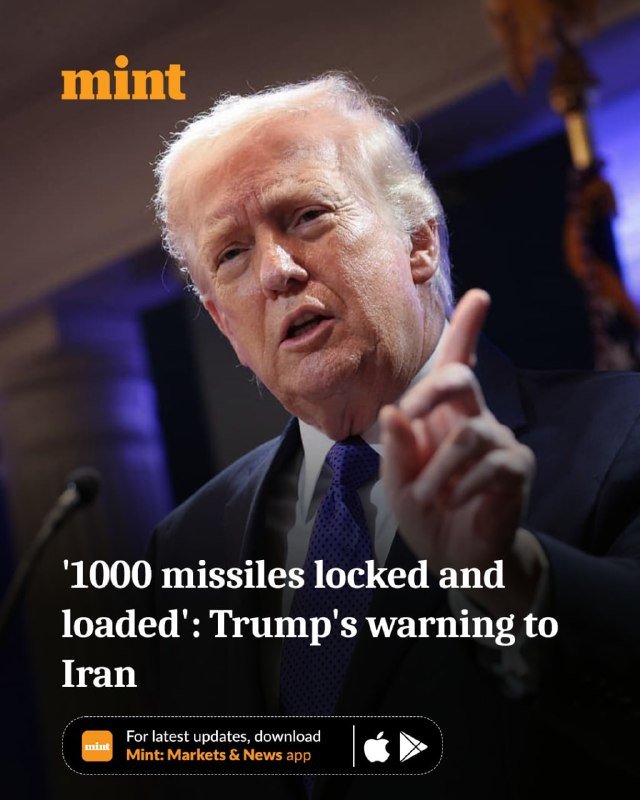
Oil prices drifted on 25 June 2026 to levels not seen since before the Iran war, even as shipping data showed tanker traffic through the Strait of Hormuz holding near recent highs and the International Maritime Organization prepared to walk back its evacuation plan for commercial vessels.
The simultaneous signals — calmer benchmarks, busy waterway, retreating flag-of-convenience authority — capture where the energy-market story now sits: the acute military phase has eased, but the insurance, regulatory and political scaffolding around one of the world's most important oil chokepoints remains unsettled.
A calmer tape, an elevated waterway
Benchmark crude fell on 25 June to a range last traded before Iran responded to US and Israeli strikes by effectively closing the Strait of Hormuz, according to BBC News reporting published on the same day. The price move is the cleanest evidence yet that traders are no longer pricing a sustained closure scenario. The market is, in effect, betting that the corridor reopens to sustained commercial traffic.
The shipping-flow data backs that read. Per Kpler vessel-tracking cited by the War and FieldWitness Telegram channel on 25 June at 18:26 UTC, the Strait of Hormuz recorded 70 total crossings on 24 June, with shipping traffic described as continuing "largely unimpeded despite the ongoing US-Iran MoU." That figure sits well above the depressed counts seen during the worst of the closure scare and is the kind of throughput that supports the price action.
At the same time, an Unusual Whales item on 25 June at 11:37 UTC, citing a Marketwatch piece, noted that "oil tankers are being lured back into the Strait of Hormuz by big payouts" — a phrase worth reading carefully. It points to war-risk premia, charter-rate spikes and expedited-loading bonuses doing the work that force, on its own, no longer can. The traffic is real, but the economics underwriting it are still shaped by the recent conflict.
The IMO's quiet retreat
The more delicate development sits in a single line from a Polymarket-flagged item at 18:41 UTC on 25 June: "IMO to pause its Hormuz ship evacuation plan due to Iranian threats." The International Maritime Organization had previously signalled it would coordinate an evacuation of commercial tonnage if conditions in the strait deteriorated; pausing that plan, under Iranian pressure, is a different kind of signal from a price drop.
It tells operators that the international body charged with coordinating seafarer safety is no longer confident it can organise a protected withdrawal if the corridor is choked off again. For shipowners and their insurers, that information matters as much as the Kpler count. War-risk underwriters price the option value of a future closure; the IMO's posture is one of the inputs.
Read together, the tape, the tonnage and the regulator's posture describe a market that has moved from crisis pricing to risk-management pricing. The flows are open. The contingency plans are not.
What the counter-narrative says
Two competing reads deserve airtime. The first, embedded in the Polymarket item itself, is that the IMO's pause is itself the news — that Tehran's signalling has been effective enough to deter the international body from publicly rehearsing an evacuation, and that the calm in the water is therefore a coerced calm rather than a settled one. Under that framing, the 70 crossings on 24 June reflect operators who have judged that staying is cheaper than being caught in a hasty exit, not operators who have judged that the risk is over.
The second read, closer to the Western-wire line and to the price action, is that the conflict has cooled on terms favourable to the United States and its Gulf partners, and that the IMO's pause is a face-saving acknowledgement of an outcome that the shipping market has already priced in. Under that read, the 70-crossing count and the falling benchmarks are the leading indicators; the IMO is the lagging one.
Both readings lean on the same source set, and neither is fully dispositive. What tips the balance, for now, is the gap between the operational data — vessels moving, oil cheaper — and the institutional posture — the maritime regulator backing away from an evacuation blueprint under explicit Iranian objection. Operational data can move fast. Institutional credibility, once dented, takes longer to rebuild.
Structural stakes
The Strait of Hormuz carries roughly a fifth of seaborne oil and a meaningful share of liquefied natural gas. When the corridor is contested, the effect propagates quickly into shipping insurance, charter rates, refinery margins and, eventually, retail fuel. The current configuration — open water, retreating regulator, contested threat picture — is the configuration that tends to produce volatility without producing a clean price regime.
The larger pattern here is familiar. A hegemonic power, in this case the United States and its Gulf security partners, secures a tactical outcome — the strait remains transit-able, oil flows, benchmarks ease. A revisionist power, in this case Iran, secures a procedural outcome — the international body's contingency plan is paused under explicit Iranian objection. Both sides can claim a win that is real but partial. The market, in turn, prices the partial wins and leaves the residual risk in the option chain rather than in the spot price.
For Gulf states, for Asian importers who depend on the corridor, and for European refiners already adjusting to a different feedstock mix, the practical question is whether this configuration holds through the rest of 2026. The sources do not specify a duration for the IMO's pause, and Iranian officials have not, in the material available to this publication, publicly quantified what would trigger a reversal.
What remains uncertain
The shipping data is one-day-old; the price move is intraday. The IMO's posture is reported through a single-channel feed rather than an IMO press release in the source set. Iran's specific demands, and what shape an Iranian-acceptable evacuation framework would take, are not in the source items reviewed here. The war-risk premium embedded in those "big payouts" luring tankers back is also not quantified in the available material — a meaningful gap, given that the premium is doing real work in the price formation.
What can be said with confidence is narrower than the headlines suggest. The strait is open. The oil is cheaper. The international body that would coordinate an evacuation has stepped back from that role. Those three facts are not the same fact, and reading them as one risks mistaking the end of the acute phase for the end of the risk.
Desk note: Monexus framed the IMO pause as a separate signal from the price action, on the view that operational data and institutional posture can move in opposite directions in the weeks after a kinetic event — and that a staff-writer read earns its keep by naming both rather than averaging them.
Wire provenance
This editorial synthesis draws on the following public wire/social posts:
- https://t.me/wfwitness