Strait of Hormuz under pressure: oil slips, evacuation plan surfaces, US and Iran return to the table
Brent has fallen back to pre-war levels even as 11,000 seafarers remain stranded and Washington and Tehran prepare for technical talks.
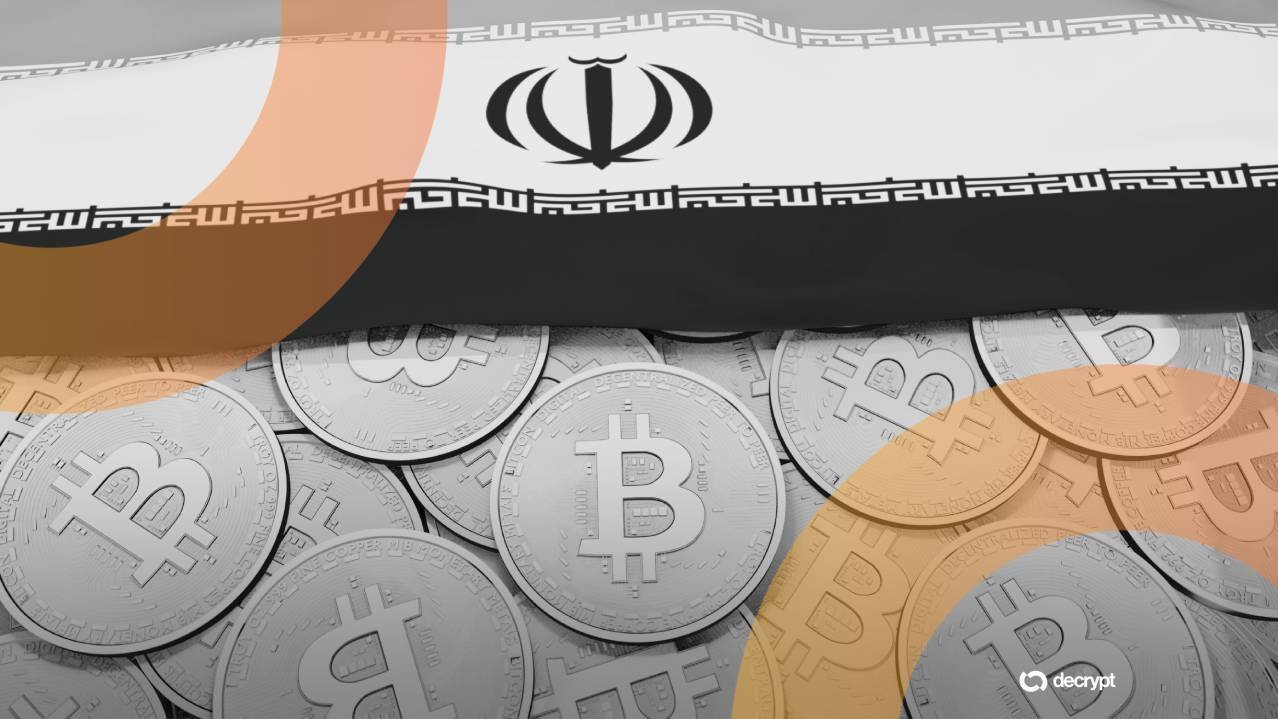
Crude prices have fallen back to levels last seen before Iran's retaliation against US and Israeli strikes, with the BBC reporting on 2026-06-25 that the benchmark has retraced the war premium built up since Iran moved to effectively close the Strait of Hormuz. The same morning, a US Energy Secretary publicly insisted Tehran would not be allowed to throttle the chokepoint again, and CGTN detailed an evacuation plan under which more than 11,000 seafarers remain aboard roughly 500 to 600 vessels in the Gulf. The combination — cheaper oil, a hardening US line, and stranded crews — defines the geometry of a crisis that is simultaneously de-escalating at the pump and not de-escalating at sea.
The pattern is familiar to anyone who has watched a chokepoint war: market pricing anticipates diplomacy, while the operational picture on the water lags. Both can be true, and for now both are.
The price line
Brent's slide to pre-conflict levels, reported by BBC NEWS on 2026-06-25T07:11 UTC, reflects traders' working assumption that the worst of the Hormuz disruption is behind them. The premium that briefly priced in a sustained closure of the waterway — through which a significant share of seaborne crude typically transits — has largely evaporated over recent sessions. That is a meaningful signal: derivatives markets, which reward accurate forecasting with profit and punish error with margin calls, are now treating the strait as passable, if not yet peaceful.
The framing matters. A falling headline price is not the same thing as restored physical flow. The two indicators can diverge for weeks, particularly when insurance, routing, and crew-availability frictions persist even after the immediate military risk recedes.
The political line
On 2026-06-24T16:45 UTC, US Energy Secretary Wright announced, via a Polymarket-distributed wire item, that Iran will not have the ability to close the Strait of Hormuz going forward. The statement read as a forward commitment from Washington rather than a description of the present. It implies an American guarantee — military, technical, or both — that any future Iranian attempt to interdict traffic will be reversed before it bites.
That posture sets the diplomatic floor for the technical talks CGTN reports are set to resume. Two things follow. First, Washington is negotiating from a position that has already declared the strategic question settled in its favour, which limits what Tehran can extract. Second, Iran retains a residual ability to harass, delay, or selectively detain traffic — the difference between "closing" the strait and making it expensive to use is the difference between a casus belli and a negotiating instrument.
The human line
The stranded-crew figure deserves more attention than it has received. According to CGTN's 2026-06-25T05:30 UTC item citing the International Maritime Organization, more than 11,000 seafarers remain aboard roughly 500 to 600 vessels in the Gulf region as an evacuation plan is being detailed. That is not an abstract logistics number. Eleven thousand people, many of them Filipino, Indian, Bangladeshi, Pakistani, and Chinese nationals serving on tankers and bulk carriers, are waiting in a hot, constrained operating environment for permission to leave.
The structural point: the Global South furnishes the labour that physically moves the energy the Global North consumes. When the chokepoint convulses, it is these workers who are stuck aboard idled ships for weeks, not the charterers, the refiners, or the end-buyers. A serious evacuation framework is overdue; the political signalling around it should not crowd out the operational reality of feeding, watering, and rotating crews under threat.
Stakes and what to watch next
Three trajectories are now in play, and they pull in different directions. Markets are pricing in normalisation; Washington is pricing in deterrence; Iran is pricing in whatever leverage remains once the war premium has gone. The technical talks, when they resume, will test whether these three price-discovery processes can converge on a workable arrangement, or whether the divergence itself becomes the next source of volatility.
The plausible counter-read is that the diplomatic track is real but narrow. Tehran has reasons to want Hormuz traffic restored — the strait is a two-way asset, and Iran imports refined products through it even as it exports crude — and Washington has reasons to want a quiet summer driving season. If those interests overlap long enough, the 11,000 seafarers get home, oil stays soft, and the evacuation plan becomes a footnote. If they do not, the same headline prices sit on top of a much less stable physical picture, and the next spike will arrive without warning.
Desk note: Monexus led with the market signal and the stranded-crews figure rather than the official declaratory language. Both the Western wire (BBC) and the Chinese state outlet (CGTN) are foregrounded on their own terms; the Polymarket wire on Secretary Wright's statement is treated as a quoted announcement rather than a market forecast.
Wire provenance
This editorial synthesis draws on the following public wire/social posts:
- https://x.com/polymarket/status/1799999999999999999