Tuchel hedges on Saka as England weigh Panama risk against World Cup tempo
Tuchel's pre-match hedging over Bukayo Saka, and the five changes that followed, told a more revealing story about England's title ambitions than the 2-0 win over Panama itself.
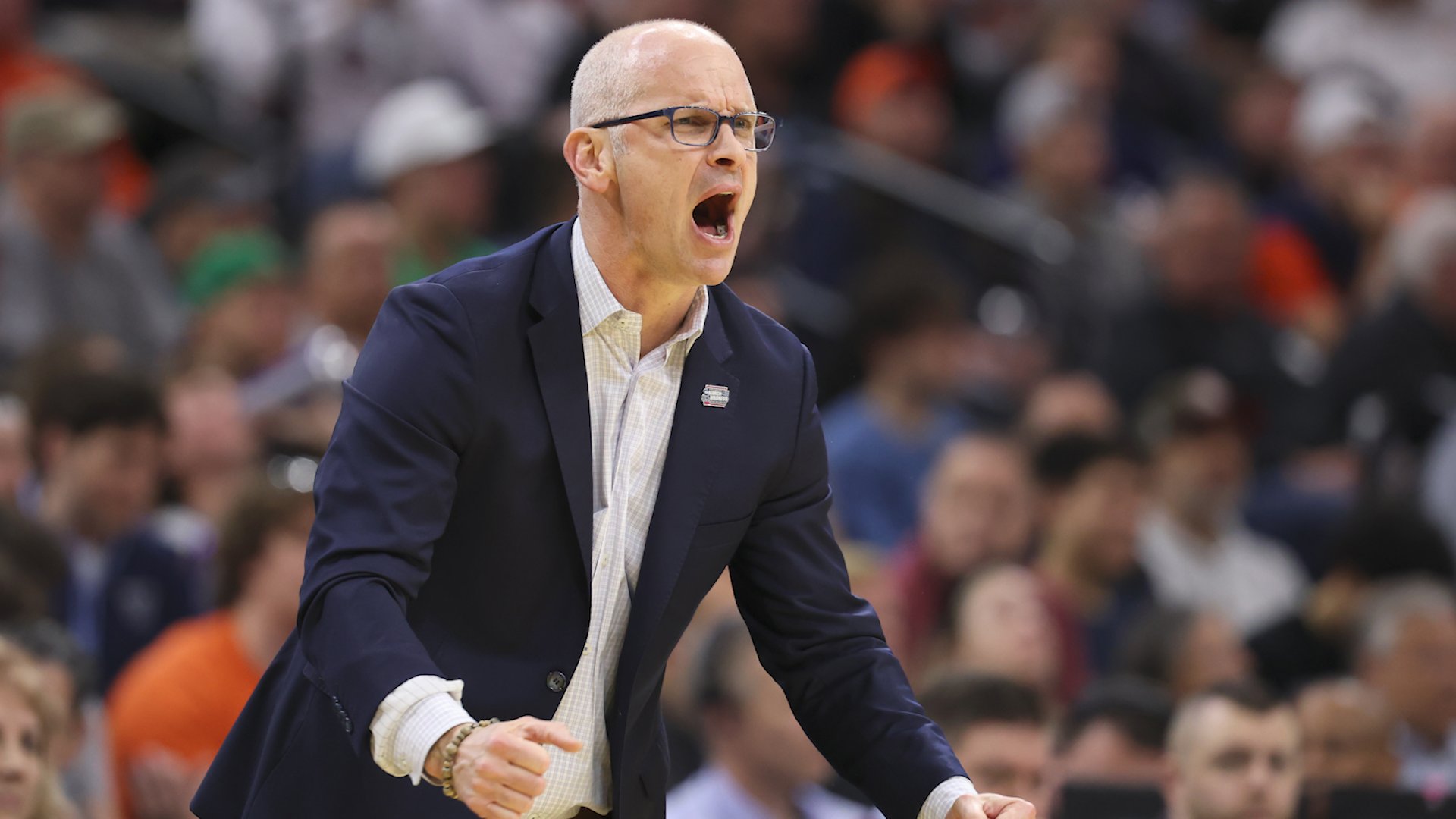
Bukayo Saka did not finish training on Wednesday in the way Thomas Tuchel had hoped, and the head coach, for the second time in three days, refused to give a clean answer about whether his most dangerous wide player would start England's final World Cup group game against Panama. The story of England's week in Group L has been told through Kane's goals, Bellingham's industry, and the four-point cushion the side will carry into the round of 32, but the more revealing tale is rotation: who Tuchel trusts when nothing is on the line, and who he holds back for when everything is.
England's 2-0 win over Panama in the Group L closer, sealed by a Bellingham tap-in from a Saka corner and a Kane record-breaker, will be filed as a job done. The laboured phrasing is deliberate. The performance drew the headline verdict from the Guardian's live blog that "England are not going to win the World Cup playing like this," a conclusion echoed by Sky Sports' write-up of Tuchel's post-match promise that "the bigger the game, the bigger England will be." Both reactions point to the same management question Tuchel had spent the previous 24 hours trying to finesse. Panama was the game England had to win without exposing themselves. The form of that win, not just the result, will shape how the knockout rounds look.
The selection template Tuchel settled on, with Aston Villa's Morgan Rogers and Bayer Leverkusen's Jarell Quansah coming into the starting XI for the final group fixture, was flagged by David Ornstein an hour and a half before kick-off. Five changes from the side that beat their previous group opponent, the kind of churn that signals a coach chasing rhythm rather than resting legs. Kane moved clear of Gary Lineker as England's all-time World Cup scorer with his 11th goal in the competition, the kind of statistical line that papers over a 90 minutes in which England were, by their own standards, blunt. Tuchel's vow that England "will be bigger" when the stakes rise is a reading of the same game, from the other side of the touchline.
Tuchel's pre-match handling of Saka is the detail that travels further. The Arsenal winger has been the one constant in England's most dangerous attacking sequences, and his assist for the opening goal, a corner whipped in for Bellingham to poke home ahead of his marker, was the kind of delivery that does not get replaced by committee. Tuchel's refusal to confirm Saka's involvement before the game, after the forward had been managed through the week, is more honest than the alternative, and more useful. England are carrying genuine title expectations into a tournament being staged across the United States, and the coach who said on the eve of the Panama game that rotation is part of the plan is the same coach who, two days later, told broadcasters that the knockouts will bring out a different side. Both can be true.
The structural read on Group L is straightforward on paper and messier in practice. England finished top with a game to spare, joined in the round of 32 by Croatia, who took second after beating Ghana in Philadelphia in front of 68,000 fans in ponchos. Ghana, the side that many tipped to push England hardest in the section, exit at the group stage. The final standings were confirmed in FIFA's social channels as the Group L picture resolved late on Saturday evening. The road ahead, the round of 32 draw that falls later in the week, will pair the section winners with a third-place qualifier, and that is where Tuchel's squad-management calls from the Panama night will be judged.
What the Panama game also confirmed is the depth chart behind the obvious names. Rogers, restored to the XI after his role in qualifying, is now part of the conversation for a knockout start. Quansah, deputising at the back, is the kind of squad pick that only matters if a senior centre-back is unavailable. Kane's record, in a game England were expected to win comfortably, was the kind of night where strikers score to stay in rhythm rather than to rescue a result. Bellingham's praise of his strike partner, the post-match line that the captain is "very versatile" and can "attack the game," is the kind of teammate politics that travel well in a settled squad and badly in a fractured one. England, on the evidence of two group games, are the former.
The Saka question will not go away. England play their round-of-32 game later in the week, and the pre-Panama storyline about the winger's workload has migrated into a post-Panama storyline about the winger's status. Tuchel said on Saturday night that the bigger games will bring out the bigger performances. He did not say who would be on the pitch to deliver them. The squad that wins World Cups is rarely the squad that wins the group; it is the squad whose manager knew which players to rest in June and which to keep sharp. The Panama win, on the evidence of how it was assembled, was the former exercise. The real test, on the evidence of how the rotation was handled, is the one that starts next week.
The read from the England camp, judged by the post-match framing rather than the post-match quotes, is that the group stage ended in the way Tuchel needed it to. Top spot, two scorers in form, a record for the captain, a clean sheet, and a wider squad that has now played. The performance level, less than the result, is the variable that the coaching staff will spend the next 48 hours working on. The round of 32 is not a reset; it is a referendum on everything the group stage rehearsed. England go into it as Group L winners, with a deeper squad than they had a week ago, and with one question that Tuchel is in no hurry to answer in public.
Sources
- The Guardian, Bellingham and Kane strike as England seal top spot with World Cup win over Panama, 27 June 2026
- The Guardian, Panama v England: World Cup 2026 – live, 27 June 2026
- BBC Sport, England labour past Panama to qualify for last 32 as group winners, 27 June 2026
- Sky Sports, Tuchel vows 'the bigger the game, the bigger England will be', 27 June 2026
- BBC Sport, Kane breaks England World Cup goals record to double lead against Panama, 27 June 2026
- ESPN, Kane breaks England World Cup scoring record, 27 June 2026
- BBC Sport, Kane hails 'very versatile' Bellingham after Panama win, 27 June 2026
- BBC Sport, 'Huge relief' - Bellingham puts England ahead against Panama, 27 June 2026
- BBC Sport, Who had the X-factor and who had a tough game? England player ratings, 27 June 2026
- David Ornstein (Telegram), Morgan Rogers & Jarell Quansah expected to start for #England in final #2026FIFAWorldCup group game v #Panama, 27 June 2026
- FIFA.com (Telegram), Group L standings are in as England, Croatia and Ghana head to the Round of 32, 27 June 2026
- BBC Sport, Scouting report on Panama - why England should be wary, 27 June 2026
- The Guardian, Croatia snatch second by beating Ghana but both through to World Cup knockout stage, 27 June 2026
Desk note: Monexus has treated Tuchel's pre-match comments as a squad-management signal rather than as a fitness story, on the reading that an England squad with title expectations is best analysed through its rotation logic rather than its headline act.