World Cup 2026 opens amid an ad-spend bonanza — and a TSA warning fans will remember
The tournament tips off with a projected $10.5bn ad-revenue haul, a wider-than-expected US current-account gap, and a transport-security bulletin aimed squarely at travelling supporters.
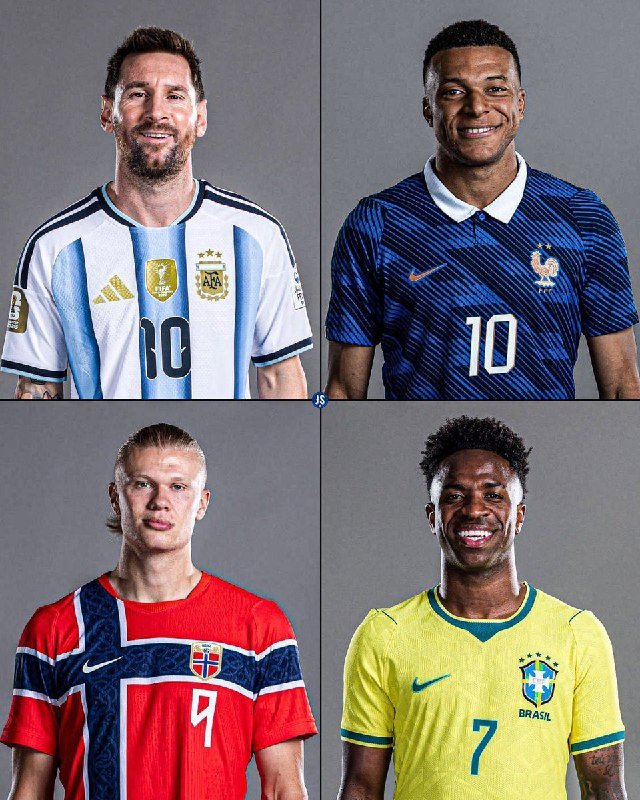
The 2026 FIFA World Cup tipped off on the evening of 24 June 2026, with fixtures listed by Transfermarkt rolling out across host cities in the United States, Canada and Mexico. The schedule, circulated by the German football-data outlet via Telegram, sets the rhythm for what is being billed as the largest sporting event ever staged in North America — a 48-team, 104-match tournament spread across three federal jurisdictions.
What the macro picture already shows is that this is not just a sporting event; it is an advertising and balance-of-payments event with a foreign-policy edge. Three data points, all surfacing in the same 24-hour window, sketch the stakes: a record projected ad-spend haul, a current-account gap that widened faster than economists had pencilled in, and an unexpected aviation-security advisory aimed at travelling fans. Read together, they say something honest about who pays for the show and how the United States intends to manage the flow of bodies that comes with it.
The money: a $10.5bn advertising windfall, and a wider current-account deficit
Industry reporting circulated on 24 June 2026 put the projected World Cup-related advertising spend at more than $10.5bn, a figure that would comfortably surpass every previous tournament on record. The number, flagged via Polymarket's news desk, captures broadcast, digital, out-of-home and sponsorship inventory across the four-week competition, with U.S. rightsholders and streaming platforms the principal beneficiaries.
Set against that windfall is a less flattering macro print: the U.S. current-account deficit widened more than expected in the first quarter of 2026, to $226.8bn, according to the same wire. The deficit is the broadest measure of the gap between what a country earns from the rest of the world and what it pays out — and a sports-tourism surge on this scale tilts the import side further. Foreign visitors fly in, dollars flow out to hotels, broadcasters and merchandise supply chains, and the gap between what the U.S. earns from selling the spectacle abroad and what it pays to stage it gets harder to finesse. The structural reading is plain: hosting the World Cup monetises U.S. soft power and ad inventory in the short run, while the underlying external imbalance continues to widen. Whether the broadcast-rights exports and tourism receipts can close even a fraction of that gap over the tournament's lifecycle is the question analysts will be asking come September.
The crowd: a TSA advisory that doubles as a culture-war artefact
The 24 June bulletin that travelled furthest on social media was not economic in nature. The U.S. Transportation Security Administration, according to a Polymarket-circulated wire, issued a notice to soccer fans entering the country warning them that they may not bring "actual beavers" in their carry-on luggage. The advisory — part of a wider agriculture-and-customs public-information push tied to the tournament's start — has predictably been clipped, memed and reframed as emblematic of a country that cannot tell a European football supporter from a Canadian wildlife smuggler.
The substantive kernel is real and routine: U.S. border authorities use mega-events to remind travellers that agricultural products, unprocessed animal by-products, and live wildlife are restricted or prohibited. World Cup organisers have long coordinated with customs agencies on fan-flow management. But the choice of animal — beavers, the national emblem of Canada, co-host of this tournament — gave the bulletin a tonal edge that no amount of bureaucratic drafting could soften. It is the kind of soft-confessional gaffe that travels because it confirms priors on both sides of the border, and because the underlying public-information function is genuine.
The frame: a tournament as a balance-of-payments and border instrument
There is a structural reading worth stating plainly. Mega-events of this scale no longer function only as cultural soft-power projects; they have become instruments of macroeconomic and border policy. On the macro side, the ad-spend surge lifts broadcast and platform revenues in the year of measurement, while the tourism import bill widens the trade-and-services gap. On the security side, the TSA bulletin is a reminder that the right to host a World Cup comes paired with a reasserted right to control who crosses the border, with what, and under which rules.
The counter-narrative — that this is simply a party, and the macro arithmetic is a distraction — has a real constituency. Local businesses in host cities are pricing for a record summer. Diaspora communities in the U.S. are booking out stadiums. The Canadian and Mexican co-host arrangement is, on its face, a continental gesture. The macro frame and the party frame are not mutually exclusive; they are simply two ledgers being run in parallel. What changes the politics is the trajectory of the wider deficit — if the current account continues to widen through the autumn, the World Cup windfall will not be remembered as a stimulus but as a sugar high.
The stakes: who wins, who hedges
The winners, on current evidence, are U.S. rightsholders, streaming platforms, and host-city hospitality chains that have spent four years building inventory for this window. The hedgers are the federal balance sheet — the U.S. Treasury and Federal Reserve, which will spend the autumn explaining why a $226.8bn current-account gap coexists with a record ad-spend quarter. The losers, in the most likely scenario, are fans and host-city renters: the supply curve in Miami, Atlanta, Los Angeles, Dallas, Houston, New York/New Jersey, Philadelphia, Seattle, San Francisco, Kansas City, Atlanta and Boston is the tightest in living memory, and the price discovery is happening in real time.
What remains genuinely uncertain is whether the projected ad-spend figure will hold once post-tournament audits are filed. Industry estimates circulated before kick-off tend to overstate the eventual settlement, particularly on digital and sponsorship inventory that is swapped rather than sold for cash. The current-account print, too, is backward-looking — the deficit widened in Q1, before most of the World Cup's tourism flow materialised. The real test is the Q2 and Q3 prints, which will show whether the tournament closed even a sliver of the gap or widened it further. Until then, the most honest summary is that the U.S. has chosen to host the largest World Cup in history during a year when its external accounts are under sustained pressure, and has asked travelling supporters to leave the beavers at home.
Desk note: Monexus framed this as a macro-and-border story rather than a fixtures story — the match schedule is the occasion, but the ad-spend figure, the current-account print and the TSA advisory are the substance.
Wire provenance
This editorial synthesis draws on the following public wire/social posts:
- https://t.me/s/Transfermarkt