A'ja Wilson and the Aces meet Paige Bueckers and the Wings: what Thursday's primetime matchup actually measures
A primetime tip between the league's reigning force and its newest headliner is the WNBA's clearest stress test of who actually sells a broadcast in 2026.
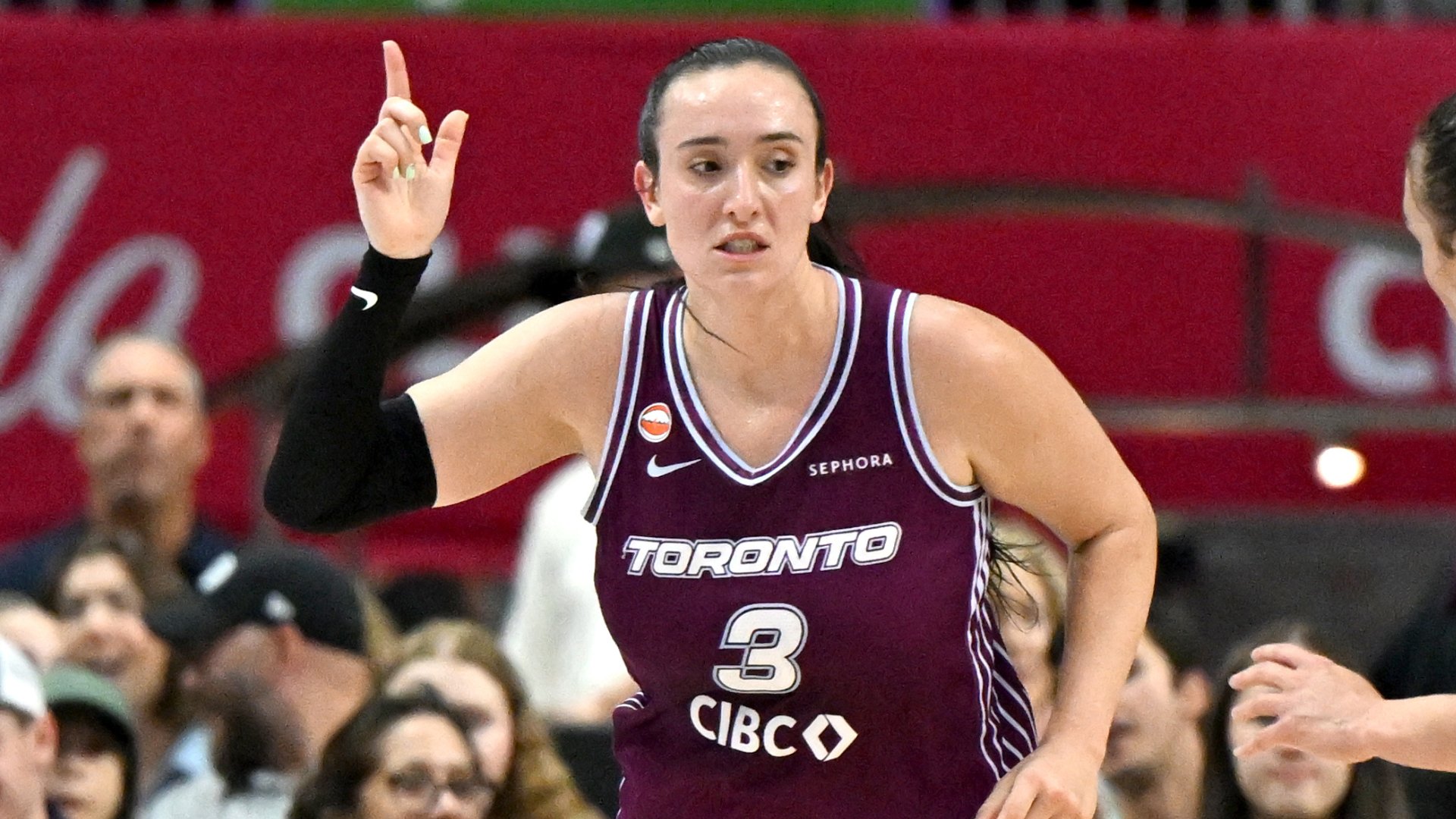
At 02:00 UTC on 26 June 2026, two of the WNBA's most-watched players walked into the same building. The Las Vegas Aces, built around A'ja Wilson, hosted Paige Bueckers and the Dallas Wings in a 10:00pm/ET tip on NBA TV, the league's flagship linear partner for non-ESPN national windows. The matchup is the cleanest available proxy for a question the WNBA has spent the better part of two years trying to answer in public: does the league's audience move with its incumbent superstar, or with its newest one?
The frame matters because the WNBA's broadcast economics have shifted faster than its competitive ones. The league's 11-year media rights deal with Disney, Amazon and NBCUniversal, which took effect in 2026, is widely described as a step-change in per-game value, but the actual delivery still runs through the same handful of national windows. A single primetime slot on NBA TV is, in 2026 terms, the league's most concentrated opportunity to test audience pull.
What the rosters say about what is being sold
Wilson is the WNBA's reigning Most Valuable Player, a multi-time Defensive Player of the Year, and the centrepiece of an Aces organisation that has reached the last two Finals. Her 2024 campaign set the league's single-season scoring record. The Aces' identity in 2026 is, in practical terms, the Wilson identity: she is the offensive fulcrum, the defensive anchor, and the player opposing game plans are written to contain.
Bueckers, by contrast, is the league's most visible rookie-era draw since Caitlin Clark. Her arrival in Dallas via the 2025 WNBA Draft gave the Wings a national-media profile they had not previously carried, and the early-2026 broadcast schedule visibly tilted toward Wings games as a result. The matchup with the Aces is the first time those two audience pulls have run directly into each other on a single national window.
The two players are also at different career stages, which is part of what makes the slot a real test. Wilson is the product the league is trying to monetise. Bueckers is the product the league is trying to build. A primetime tip between them is effectively an A/B test of who actually moves the dial.
The counter-read: schedule, not stars
The honest counter-narrative is that the audience, in 2026, is less star-driven than the league's marketing suggests. Linear sports ratings across the board have been buoyed by scarcity: the WNBA's 40-game regular-season schedule is short, and national windows are rare. A primetime NBA TV slot benefits from that scarcity regardless of who is on the floor. Viewers who tune in are, in significant part, simply watching the only game in town that night.
The Dallas side complicates the star-driven reading further. Bueckers' individual performances in her rookie season have been uneven, and the Wings' win-loss record has not tracked her personal profile. There is a plausible read in which the audience follows the league's growing cultural footprint more than it follows any individual face, and in which Wilson and Bueckers are both beneficiaries of a rising tide rather than its cause.
What the broadcast window actually measures
NBA TV is, structurally, the WNBA's most exposed national platform. The network is carried in a smaller footprint than ABC, ESPN or Ion, and its audience is the one most likely to be selecting games deliberately rather than encountering them via over-the-air inheritance. That makes a primetime NBA TV slot the closest the league gets to a clean, opt-in ratings test in 2026. Streaming-side metrics (the WNBA's league-pass product, partner-platform carriage on Amazon and NBC) will tell a different and more generous story, but the linear number is the one both the league and its broadcast partners will actually read.
The structural backdrop is a media-rights market in which the WNBA's per-game value has risen sharply, and in which the league is now expected to deliver audience growth that justifies that rise. A single primetime game does not settle that question. It does, however, generate the cleanest single data point the league will produce this week, and it is the one most likely to be read as a verdict on which player carries the broadcast.
What remains uncertain
The ratings outcome will not be publicly known in real time. NBA TV windows are typically reported by the network and by third-party trackers days after broadcast, and the league's own internal numbers (which include out-of-home viewing, streaming and partner-platform carriage) almost always run ahead of the linear figure. A strong NBA TV number combined with weaker streaming carriage would tell a different story than a moderate NBA TV number combined with strong streaming. The two players will, in short, be measured against each other in headlines before the data actually supports that framing.
There is also the question the matchup cannot answer at all: how much of the audience is coming back next week. Star-driven growth is a multi-year argument, and a single June primetime tip is the thinnest possible evidence for it. What Thursday night can show is who shows up. What it cannot show is whether they keep showing up once the novelty of the matchup has passed.
This article focuses on the WNBA's 2026 broadcast economics and the structural role of primetime national windows, rather than a game recap, in line with this publication's sports-desk framing.
Wire provenance
This editorial synthesis draws on the following public wire/social posts:
- https://t.me/s/NBALive/
- https://en.wikipedia.org/wiki/A%27ja_Wilson
- https://en.wikipedia.org/wiki/Paige_Bueckers
- https://en.wikipedia.org/wiki/2025_WNBA_draft
- https://en.wikipedia.org/wiki/WNBA_on_TV