Norway's bench call: Haaland rested, France roll 4-1 and top the group
Norway coach Stale Solbakken left Erling Haaland on the bench and made ten changes against France. Ousmane Dembélé answered with a first-half hat-trick as France won 4-1 in Boston to finish top of Group I.
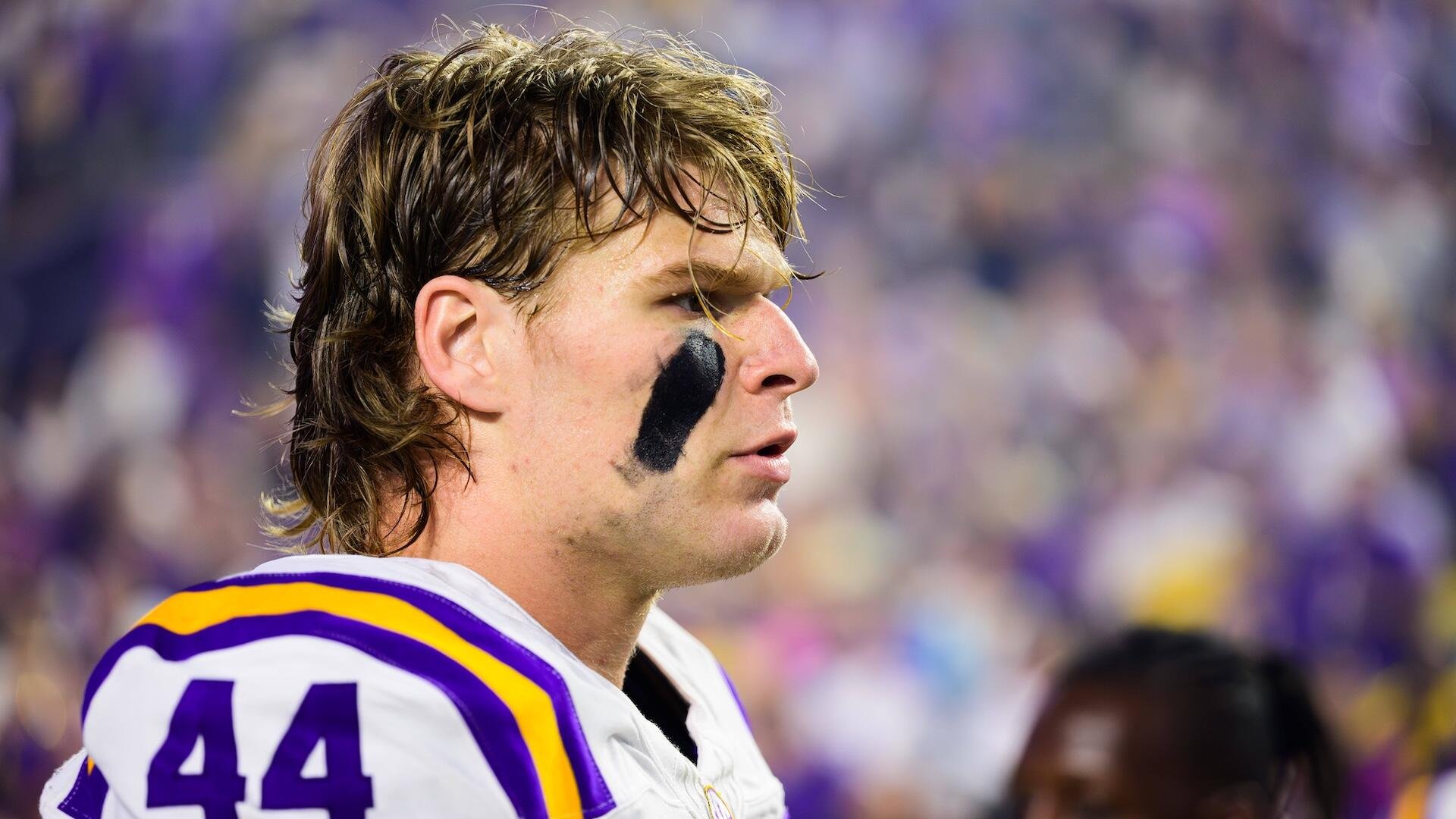
Norway's decision to rest Erling Haaland against France produced, on Friday 26 June 2026, exactly the kind of answer tournament football dreads: a question and a verdict in the same evening. Coach Stale Solbakken started the Manchester City striker on the substitutes' bench and made ten changes to the side that had taken Norway to the knockout rounds, according to BBC Sport's group-stage report. France, already qualified, tore through a depleted back line in Boston, with Ousmane Dembélé scoring three times in the opening 32 minutes on his way to a hat-trick in a 4-1 win that put Didier Deschamps' side top of Group I.
For Norway, the calculus is now the subject of the tournament. Rotation has a long history at World Cups; what makes this case unusual is the player who sat it out. Haaland is not a squad member. He is the centre of gravity around which Solbakken built the qualifying campaign, the reason neutral observers circled this fixture weeks in advance as a meeting of generational nines — Haaland against Kylian Mbappé, with Mbappé wearing France's armband. By choosing to conserve him for the knockout phase, Norway effectively conceded the group-stage headline.
A first half that ended the argument
Dembélé needed only the first half-hour to settle the framing. BBC Sport's match report described the Paris Saint-Germain forward's three goals as an "incredible hat-trick in the opening 32 minutes," a burst that turned a fixture between two qualified sides into a statement of intent from the defending mood of the group. France's fourth, arriving after the break, completed a result that left no room for debate about who had wanted the night more. The lone Norway goal, scored late, spared Solbakken's bench the indignity of a clean sheet against them.
Mbappé did not need to be the headline. He played the architect's role, dragging Norway's stand-in centre-backs into positional choices they could not recover from, freeing Dembélé to attack the inside-right channel that the rotated Norwegian midfield could not close. The result was a margin that — read literally — looked comfortable; read structurally, it looked like the product of a side at full voltage against a side that had elected to dim its own lights.
The case for sitting the captain
Solbakken's reasoning, as reported by ESPN, was the language of tournament management: ten changes, Haaland among them, in a group game already won. The argument is not frivolous. World Cup knockouts are won by sides whose starting XIs are fit on day one of the round of sixteen, and a single muscle strain to a player of Haaland's profile is the kind of event that ends campaigns. Norway had secured progression. The minutes that mattered, by this reading, were the ones yet to be played.
There is a counter-case, and it is not merely emotional. Rotation signals to opponents that a squad is content to be assessed in glimpses, and tournament football rewards continuity of identity. Norway's defensive shape looked visibly unfamiliar in the first 30 minutes — the kind of unfamiliarity that comes not from lack of talent but from a back line that has not trained together at this tempo. France noticed immediately. The argument that Norway had banked a more important match by losing this one cleanly is plausible; the argument that they could have done both — won the group, rested their best — is the one Solbakken will have to answer in the days ahead.
What the schedule actually permits
Group I's structure gave Norway room to manoeuvre. Finishing first would have meant, in most bracket projections, a theoretically softer round-of-sixteen opponent; finishing second meant a harder one. ESPN's pre-match reporting framed the night as a "clash of titans" in CBS Sports' preview copy, a billing the result did not honour. With the loss, Norway now travel to a knockout venue carrying a recent 4-1 scoreline against them and a starting XI whose combinations Deschamps has now seen at full pace.
The tactical film for France's future opponents is also the tactical film for Norway's next opponent. Deschamps will be pleased with Dembélé's finishing but wary of a defensive shape that, against a side not rotating, would have been punished for the same positional lapses. Solbakken, for his part, must now decide whether to fold Haaland straight back into a starting eleven that has not played together, or give the rotated players one more game to recover their sharpness. Either choice carries cost; that is what Friday's bench call bought.
What remains uncertain
The framing of "rotation" presumes that Haaland is fully fit and being preserved rather than managed through a minor complaint. ESPN's pre-match report cited sources saying he would start on the bench; neither BBC Sport's match report nor the previews specify whether the decision was purely strategic or whether there is a physical element the camp has not disclosed. Solbakken's post-match comments, which would normally clarify the choice, were not included in the wire copy available at time of writing. The structural frame — that this was deliberate load management ahead of the knockouts — is the dominant reading; it is not the only one. Monexus will update if Norway's camp confirms otherwise.
There is also the question of psychological momentum, which football covers more honestly than most other sports. A side that has just absorbed four goals in Boston, even against a rotated eleven, walks into its next match carrying that footage. Norway will argue, with some justice, that the scoreboard in Marseille matters more than the one in Foxborough. France will make sure both are remembered.
This Monexus desk piece is built on wire reporting from BBC Sport and ESPN, with pre-match framing from CBS Sports. The decision to lead on Solbakken's rotation — rather than Dembélé's individual brilliance — reflects a view that tournament-defining choices are made in the dugout as much as on the pitch.