Prediction markets are now pricing the Iran endgame — and the prices say more than the briefings
A 64% chance of an extended negotiation, fresh bets on Hormuz tolls and an Iranian airspace shutdown: Polymarket is pricing a US-Iran standoff that official readouts refuse to describe.
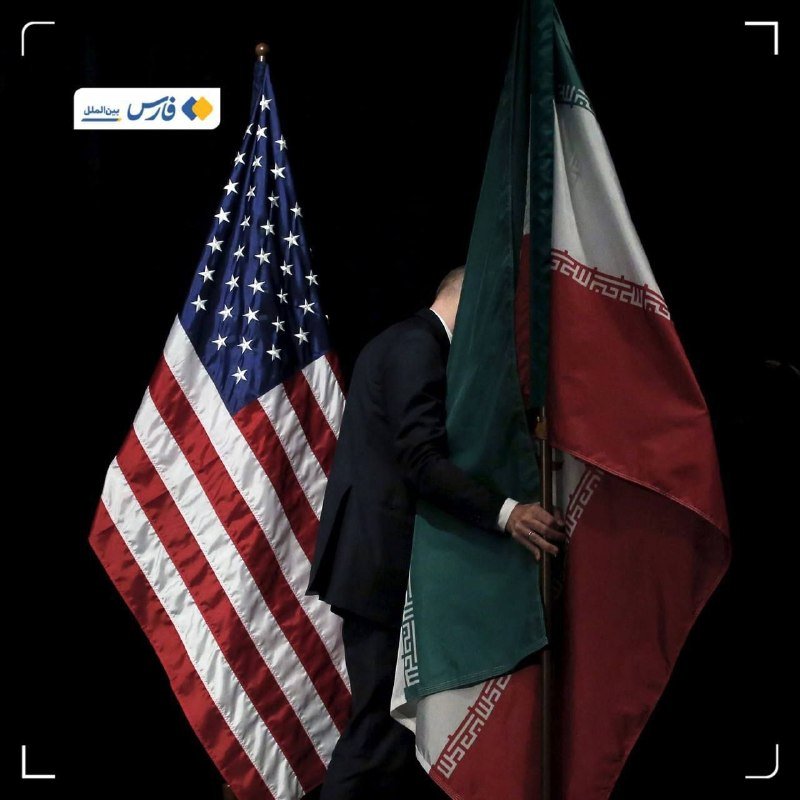
The price of certainty in the Iran file has migrated. On 26 June 2026, Polymarket was giving a 64% probability that the current US-Iran 60-day negotiation window would be extended, with parallel markets opened the same day on whether Tehran would begin charging transit fees through the Strait of Hormuz, and on whether Iran would impose a full airspace closure. The 64% figure is the kind of number that would, in a previous decade, have come from a back-channel cable; now it comes from an order book anyone with a US bank account can sit on.
What the markets are actually pricing
The negotiation-extension contract is the cleanest read. A 64% implied probability of extension means traders are treating the present window as a holding pattern — neither a breakthrough nor a collapse, but a structural deferral. The two new markets are sharper. One asks whether Iran will charge Hormuz transit fees; the other whether Tehran will close its full airspace. Both are open-ended about timing and trigger, which is precisely why they matter: traders are being forced to bet on the political character of the Iranian state, not on a single news event. A market on airspace closure only makes sense if participants believe a closure is a usable lever rather than a once-in-a-decade escalator.
Why the official readouts won't say this
Western wire framing of the Iran file is still built around the negotiating-table metaphor — envoys shuttling, texts exchanged, sanctions calibrated. That frame hides the two structural facts the Polymarket books are pricing: that the Strait of Hormuz is a chokepoint Iran can monetise without firing a shot, and that Iranian airspace closure is a denial-of-service instrument against Gulf aviation with second-order effects on insurance, tourism and shipping insurance premiums across the Indian Ocean. The Tehran briefing tradition treats both as rhetorical; the order book treats them as instruments. The gap between the two is where the next crisis will be visible to traders before it is visible to diplomats.
A platform problem, not just an Iran problem
The same morning, 26 June 2026, the prediction venue itself was hit. According to Cointelegraph, attackers injected a malicious script into Polymarket's frontend, draining roughly $2.9 million before the platform contained the compromise, removed the affected dependency, and committed to refunding affected users. The episode is not a footnote. It is the second-order story: as geopolitical forecasting migrates from intelligence-community reads to retail order books, the integrity of the book becomes a national-security question. If a hostile actor can move the price on Hormuz-tolls-to-be-charged by $2.9 million of wash trading — or simply knock the venue offline at the moment a strike breaks — then the price is no longer a price.
Stakes
A 64% extension probability is, in trader language, a coin with one face missing. It says: the default outcome is that this standoff does not resolve on schedule, and that the cost of non-resolution will be paid in Hormuz transit risk premia, in airspace rerouting, and in the slow ratchet of insurance underwriters across the Gulf. Iran wins optionality without committing to escalation; Washington wins time without committing to a deal. Both sides can call that a victory, and the prediction market will keep pricing it as one — until the day a Hormuz toll, or an airspace closure, moves from contract to headline.
What remains uncertain
The Polymarket books do not specify whose read is right about the underlying diplomacy. Traders may be reading the same official briefings as everyone else and pricing inertia; they may also be front-running leaks the public record has not yet absorbed. The two new markets — Hormuz fees and full airspace closure — carry no resolved outcome date, which means the order book can sit at low single-digit probabilities for weeks while headlines swing the implied number by double digits in a session. And the platform itself, recovering from a $2.9 million frontend exploit on the same morning it opened these markets, has not yet had to defend its integrity under the kind of volume that a Hormuz incident would bring. The price is a useful tell. It is not yet a reliable one.
Desk note: Monexus is treating the Polymarket prints as a parallel wire service — useful for what they price, caveated for what they cannot prove. The platform's own compromise on the same morning is part of the story, not a distraction from it.