Egypt and Iran meet in World Cup third-place play-off as Group Stage concludes
The Pharaohs and Team Melli meet on 27 June 2026 in the tournament's third-place match, the final act of a group stage that has reshaped Middle Eastern football's standing on the world stage.
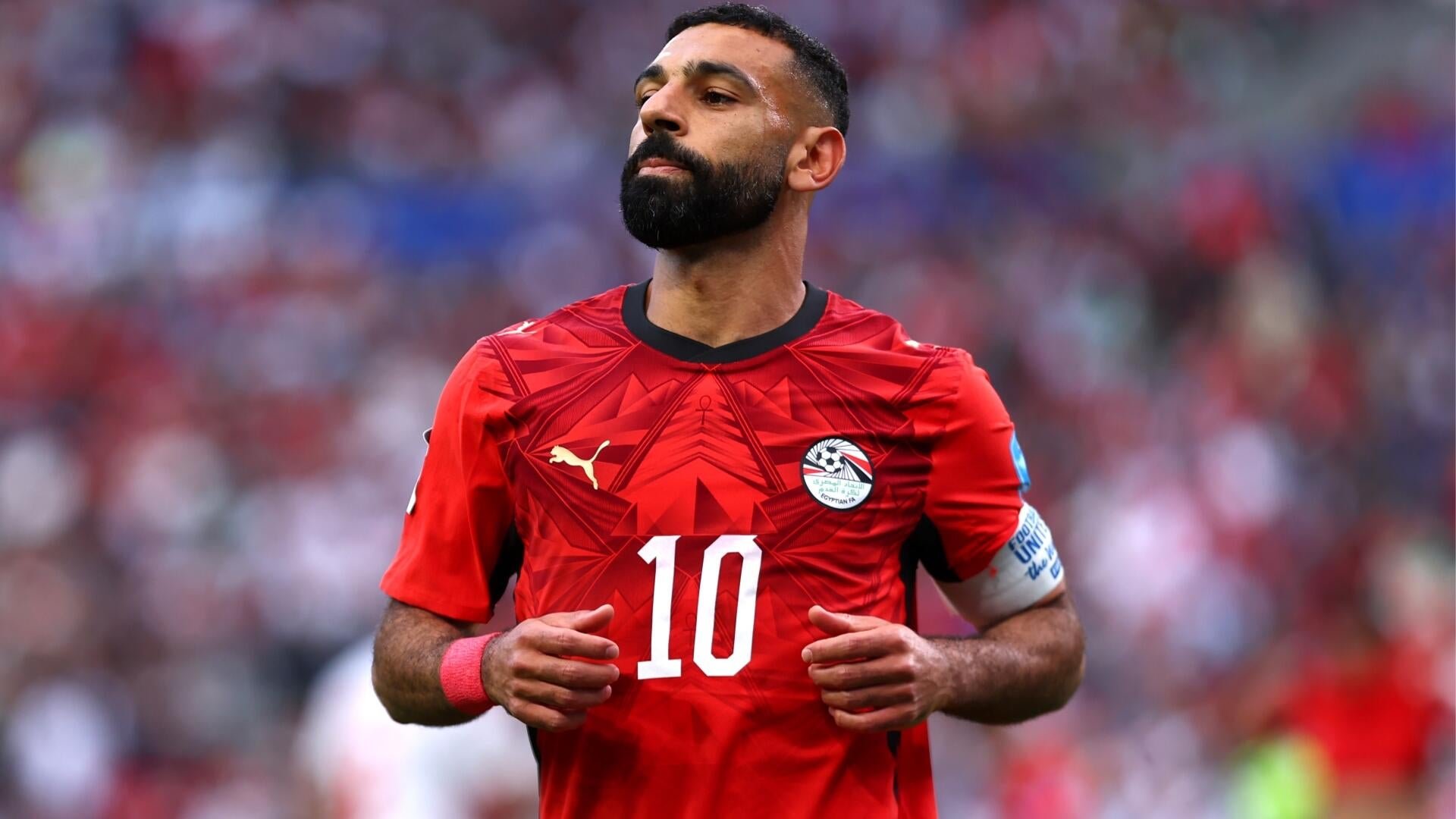
Egypt and Iran meet in the World Cup 2026 third-place play-off on 27 June 2026 at 20:00 local time (01:00 UTC on 28 June; 04:00 BST; 11:00 EDT the previous evening), closing the group stage of a tournament that has given both federations their deepest run in the modern era.
For all the noise about politics and geopolitics that follows Middle Eastern sides at a World Cup, the match in front of them is a clean football question: who finishes the campaign with a win, with the bronze medals, and with a result that materially reshapes FIFA's confederation rankings and the seedings for the next Asian and African qualifying cycles. Everything else is commentary.
A tournament that asked new questions of both federations
Neither Egypt nor Iran arrived at this World Cup as a curiosity. Egypt came through a CAF qualifying campaign that put Mohamed Salah at the centre of an attack that scored freely, and Iran emerged from an Asian qualifying round in which Team Melli conceded fewer goals than any side in the top tier of the AFC bracket. The Guardian's live match feed for the third-place play-off, published at 01:24 UTC on 27 June 2026, lists the kick-off in Mexico City local time and frames the fixture as the final act before the tournament closes with the final the following day.
What the run has changed is the conversation back home. In Cairo, the debate has shifted from whether the Pharaohs can survive the group to whether the squad that did so — heavily reliant on Salah's creative output but also featuring younger contributors from Zamalek and Pyramids — can be the spine of an African Cup of Nations tilt in 2027. In Tehran, the conversation has been more pointed. Iranian football's relationship with the state, with the IRIFF, and with the diaspora of Iranian-heritage players who have chosen Germany, the Netherlands, and the United States over the national team has been an open wound for a decade. A third-place finish does not heal it, but it does change the volume.
The structural read: who the third-place finish actually serves
This is the part of the story the wire copy tends to skip. The third-place play-off is, on its face, a dead rubber — neither side can lift the trophy. But the downstream effects are real.
FIFA's confederation ranking methodology weights recent results, opposition strength, and match importance. A third-place finish at a World Cup is the single largest positive input an Asian or African federation can register in a four-year cycle, because the opponent set is the strongest available globally and the match itself carries official bronze-medal status. Egypt picks up ranking points that flow into the seedings for the next African Cup of Nations draw and, more consequentially, into the pots used for the 2030 World Cup qualifying draw. Iran picks up the same against an AFC confederation that is watching closely, with the 2027 Asian Cup in Saudi Arabia already on the horizon and questions about whether Mehdi Taremi and Sardar Azmoun will still be available for that campaign hanging over every squad announcement.
There is a wider argument worth making. The 2026 World Cup is the first expanded edition, with 48 teams and a format that has, by design, given smaller confederations more matches against confederations they would not previously have faced. Egypt versus Iran in a third-place match is exactly the kind of fixture the expansion was supposed to produce — a meeting between two federations from different continents that would, in the 32-team era, almost certainly never have happened outside a final. The tournament's architects will be quietly pleased.
The counterpoint
There is a less flattering reading. Both Egypt and Iran have used this World Cup as a stage, and on that stage both have been asked uncomfortable questions. Egypt's domestic league remains riven by disputes over broadcast rights and by the political weight carried by Al Ahly and Zamalek in a country where football is one of the few civic institutions still capable of filling a stadium reliably. Iran's federation continues to operate under the cloud of the sanctions regime, the protests that followed Mahsa Amini's death in 2022, and a women's football programme that exists on paper more than on the pitch.
A third-place medal does not address any of this. It gives both federations a thing to put on a press release, and in the short term that is worth something — sponsors, federations, and federations' bank accounts all like medals. But the structural conditions that shape both programmes were not changed by anything that happened on the field in Mexico.
What to watch
The lineups are the first thing. Egypt's starting XI against the side that beat them in the group stage will tell us whether the Pharaohs' coaching staff view this as a fitness exercise for the next cycle or as a competitive match in its own right. Iran's selection will tell us whether Taremi, who has carried the attack through the tournament, is being preserved or asked to play through. The Guardian's live blog for the fixture notes that the third-place table is in play and that the Golden Boot race has not been settled, which means individual incentives are live even if the team trophy is not.
The broadcast interest is the second thing. FIFA has spent the tournament pushing the 2026 edition as a commercial reset, with new broadcast partners in MENA and a refreshed streaming tier. A well-attended, well-watched third-place match between two of the region's most-followed footballing nations is precisely the kind of content the federation wants to point at when renewals come up.
The aftermath is the third. Whoever wins goes home with the bronze and with a story. Whoever loses goes home with the question. For both federations, the World Cup ends in the early hours of 28 June 2026 UTC, and the work of converting a single tournament result into something durable begins the morning after.
Desk note
Monexus treated this as a sporting event with a structural backdrop, not a political one. The football is the story; the FIFA rankings, the confederation politics, and the domestic conditions inside both federations are the second paragraph.