The Return: How Joshua Van Found Redemption in the UFC Flyweight Division
After four years away from the octagon, Joshua Van captured the UFC flyweight title — and finally felt worthy to visit his father's grave.
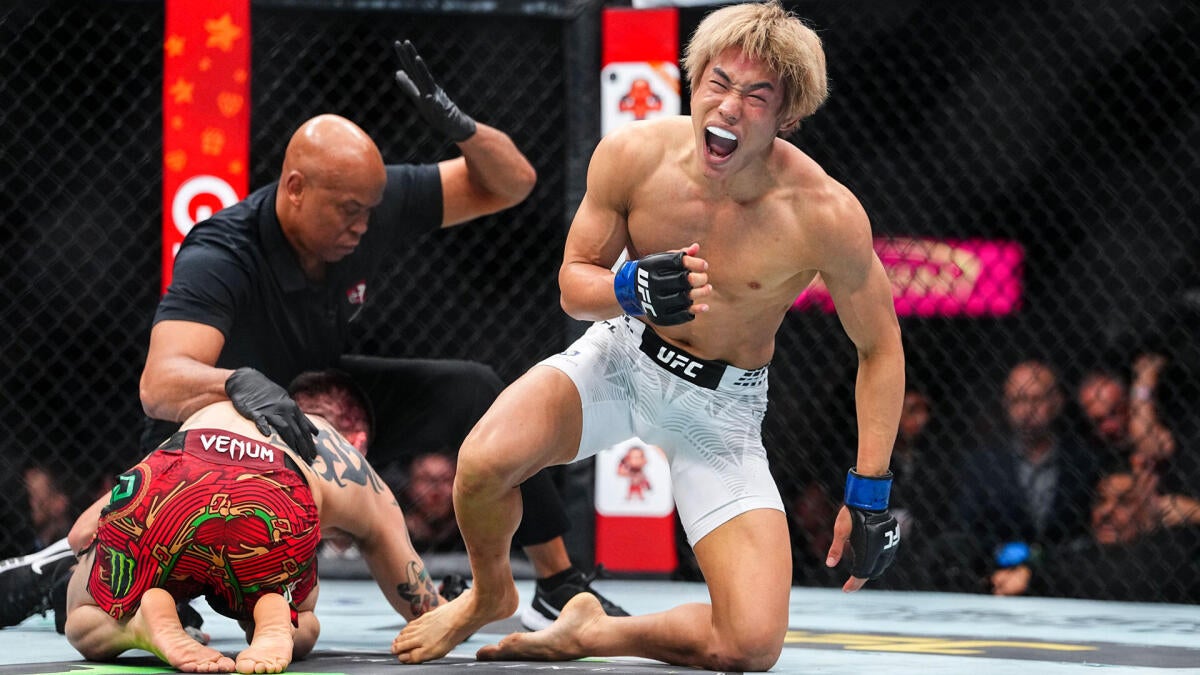
After four years away from professional competition, Joshua Van did not simply return to the UFC flyweight division — he arrived. Capturing the flyweight title required more than timing or talent. It demanded a personal reckoning that had festered for years.
According to ESPN's reporting published on 6 May 2026, Van described finally feeling worthy to visit his father's grave after winning the championship. The image of a fighter returning not just to the sport but to a place of grief he had avoided carries a weight that transcends the sport itself. It reframes what a title win means — not merely a career milestone but an act of personal closure.
The flyweight division has long operated in the shadow of the heavier weight classes. Its champions rarely enjoy the mainstream recognition of welterweight or middleweight titleholders, and its fighters are more likely to be known to dedicated fans than to casual observers. Van's story cuts against that pattern precisely because it is not primarily about fighting. It is about absence — four years of it — and what that vacuum required of him before he could compete again at the highest level.
The sources do not detail the specifics of what kept Van away from the sport. ESPN's framing treats the gap as a fact rather than a mystery: a period that required internal work before external return. Whether that involved injury, personal circumstances, or something less tangible, the reporting makes clear that the division between Van and the octagon was not simply logistical. It was psychological. The championship, in this reading, is the resolution of a longer conversation Van was having with himself.
That reframing matters for how the sport covers its own narratives. The UFC has historically leaned on spectacle — the come-from-behind knockout, the rivalry, the heel-turn — to market its fighters. The Van story operates differently. There is no villain in this particular narrative, no grudge match to sell. There is a man who was absent, who returned, and who achieved something that required confronting what kept him away in the first place. ESPN's decision to lead with that emotional architecture rather than the technical details of his fighting style reflects a broader shift in how major sports media covers combat sports: toward the human story, even when the human story is quieter than the usual promotional machinery prefers.
The stakes of that shift are not trivial. UFC's audience skews younger and more digitally native than that of traditional stick-and-ball sports, and its coverage ecology has historically been driven by the promotion's own promotional apparatus. When a publication like ESPN chooses to foreground the psychological over the spectacular — to let a fighter describe feeling "worthy" before describing a single punch landed — it signals a different editorial contract with the reader. The fight still happened. The title still changed hands. But the story it chose to tell about that event suggests that the sport's most compelling content may not live inside the cage.
That is a tension the UFC has not fully resolved. The promotion's commercial model rewards spectacular moments and viral clips; its editorial potential, as Van's story suggests, may lie in what happens before and after those moments — in the years of silence that make the return meaningful.