Mamdani's Twitch Debut Was a Governance Test He Failed
NYC Mayor Zohran Mamdani's unmoderated Twitch debut on 21 May 2026 was not a communications stumble — it was a revealing signal about how institutions fail when they enter spaces they do not understand.
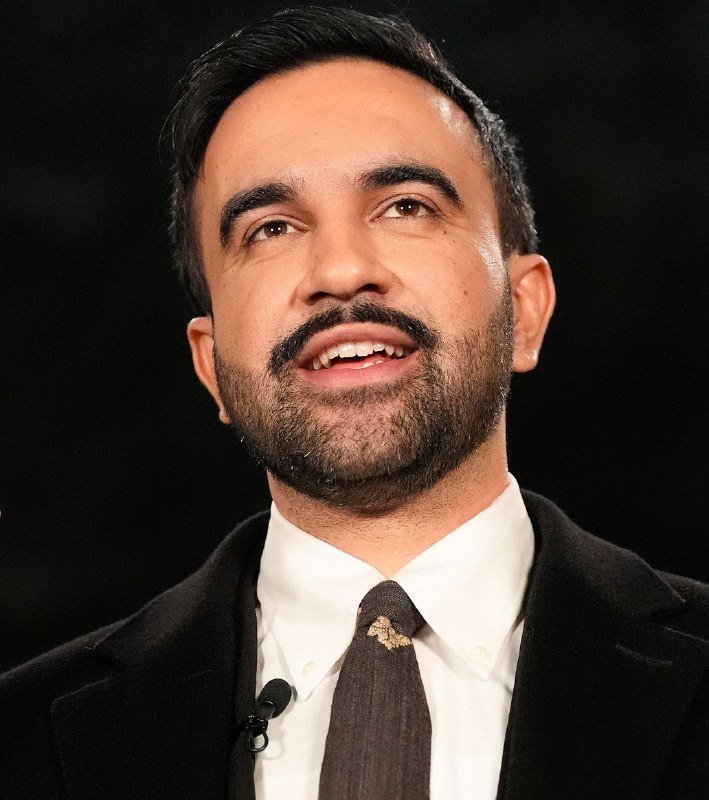
New York City Mayor Zohran Mamdani went live on Twitch on 21 May 2026. By the time the stream had been running several hours, chat was flooded with explicit messages — the platform's community guidelines running up against a city government's complete absence of moderation infrastructure. The episode was short on controversy in the cable-news sense and long on institutional meaning.
The problem was not that viewers behaved badly. Platforms designed for gaming and creative communities have always contained a wide spectrum of interaction, including content most municipal communications teams would prefer to keep off an official government channel. The problem was that Mamdani's team appears to have launched the stream with no visible moderation layer — no moderators, no filters, no preconfigured chat controls. What followed was predictable: a live municipal channel overrun by the dynamics of the space it had entered.
A Platform That Does Not Wait for Institutions
Twitch operates on norms that took years to develop within its creator community. Moderation bots, community-trained moderators, slow-mode settings, keyword filters — these are baseline tools any established Twitch streamer uses before going live to even a modest audience. Mamdani's team, by contrast, appears to have treated the platform as a broadcast medium — one where the content goes out and the audience receives it.
That misapprehension is not unique to this administration. But it is notable when the mayor in question has built much of his public persona around digital fluency and direct engagement with constituencies that traditional City Hall communications have historically ignored. The World Cup ticket programme Mamdani announced earlier the same day — securing 1,000 places at $50 each for NYC residents at MetLife Stadium — suggested an administration attuned to the material concerns of everyday New Yorkers. The Twitch debut, hours later, suggested that attunement has not yet extended to understanding the infrastructure of the spaces where those New Yorkers already live.
Authenticity as Governance Strategy
There is a legitimate argument for elected officials meeting voters in spaces the voters already occupy. Twitch has a median audience age well below that of the typical mayor's press availability. A city government that can hold a live conversation on that platform, without institutional distance, has the potential to reach people who would never click on a press release or tune into NY1. That potential is real, and the impulse behind it is sound.
What the unmoderated stream exposed is the gap between that impulse and its execution. Authentic engagement requires that the platform's own social contract be respected — not just its audience, but its operational norms. When a city government opens a Twitch channel and leaves it unmoderated, it is not being authentic; it is being unprepared. The distinction matters because the audience on Twitch is not a passive news consumers. They are participants, and they respond accordingly.
The stronger move would have been to spend two weeks building a moderation infrastructure before going live: trained volunteer moderators, clear chat rules pinned to the top of the channel, keyword filters configured in advance. That would have been less dramatic. It also would have worked.
What the Stream Tells Us About This Administration
Mamdani arrived in office with a pitch about a different kind of City Hall — more accessible, less deferential to the usual corridors of influence. The World Cup ticket programme fits that profile: a concrete, low-bureaucracy benefit directly targeted at residents rather than at the city's institutional stakeholders. The Twitch debut, in its execution, suggested that the accessibility impulse has outpaced the operational thinking required to deliver it consistently.
This is not a trivial concern. Mayoral administrations that promise reform but stumble in implementation tend to lose credibility faster than those that promised less and delivered reliably. The constituencies most attentive to Mamdani's pitch — younger residents, digital-native communities, people who have checked out of traditional civic engagement — are also the communities most likely to notice when the infrastructure of digital governance is missing. They will not attribute the unmoderated chat to unfamiliarity with Twitch's technical tools. They will draw the inference that City Hall does not take their spaces seriously enough to prepare properly for them.
The Stakes Beyond One Stream
The 21 May Twitch debut was a single event. But it sits within a broader pattern of digital-first governance promises that are easier to announce than to operationalise. Cities that have successfully integrated platforms like Twitch into their communications mix — whether through deliberate community-building, moderation partnerships with platform-native creators, or phased rollouts that treat the first streams as learning exercises — have done so by treating those platforms as new institutional environments requiring new competencies, not as updated megaphones.
Mamdani's administration has shown it can identify the right terrain — MetLife tickets for residents, Twitch streams for younger New Yorkers. The question is whether it can build the infrastructure to match the ambition. One unmoderated stream is not a verdict. But it is a signal that City Hall's digital readiness currently lags behind its digital rhetoric — and that the gap, if left uncorrected, will erode the very credibility this administration is trying to build.
Wire provenance
This editorial synthesis draws on the following public wire/social posts:
- https://x.com/Polymarket/status/1932946572814553185
- https://x.com/Polymarket/status/1932949466373677356