Apple's Siri gamble: when the world's most valuable platform bets on becoming someone you talk to
At WWDC 2026, Apple finally rebuilt Siri as an AI companion and gave it its own app. The harder question is what that move does to the rest of the consumer-AI stack.
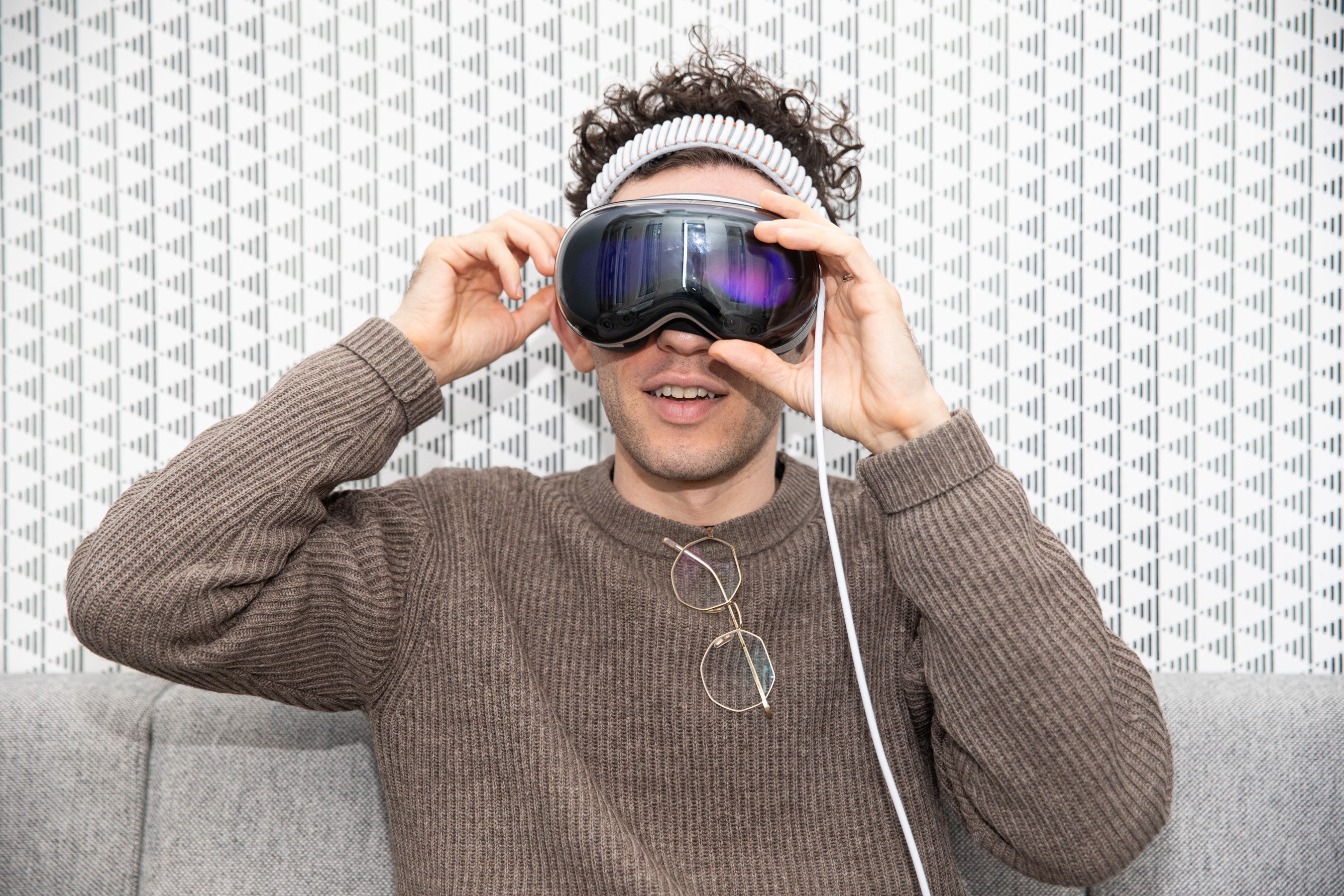
Apple spent a decade selling Siri as a polite inconvenience — the assistant that could set a timer but not book a flight. On 8 June 2026, at its annual Worldwide Developers Conference, the company tried to bury that reputation in one keynote, unveiling a rebuilt, conversational Siri that the company is explicitly marketing as an AI companion, and giving the assistant its own dedicated app for the first time. The shift, reported by The Indian Express and TechCrunch, is the most consequential platform decision Apple has made since it dropped the headphone jack, and it lands in a consumer-AI market Apple entered almost a year behind everyone else.
The bet is structural, not cosmetic. For the first time, Apple is asking users to relate to one of its products as a continuous interlocutor rather than a tool. That is a different product category, a different interface, and a different set of competitive problems — and it is arriving at the moment the rest of the industry has already spent eighteen months setting the rules of the road.
What Apple actually showed
The new Siri is pitched as an assistant that can carry context across requests, draft and revise, and operate inside other apps on a user's behalf. According to coverage of the WWDC keynote, Apple Intelligence, the company's on-device AI layer first previewed a year ago, now ships with iOS 27 and powers the rebuilt Siri end-to-end. The dedicated Siri app, reported by TechCrunch, gives the assistant a permanent visual home rather than burying it in Settings — a small UI choice that signals a large strategic one: Apple wants Siri in front of users every day, not just when they remember it exists.
The pitch is restrained by Apple's standards. No claims of artificial general intelligence, no keynote demos of life coaching. The framing is "assistant that does more" — and the company is leaning on the long-standing privacy story of on-device processing to differentiate from the cloud-bound assistants it is now chasing.
Why the timing is awkward
Apple is doing this roughly a year after the major AI labs established the consumer playbook. The most natural read of WWDC 2026 is that Apple is finally shipping the product it should have shipped in 2025 — a fact the company is not contesting. The harder read is that the company is also trying to avoid the pitfalls that have defined the category in the meantime: hallucinated answers presented as fact, voice assistants impersonating real people, and the slow accumulation of intimate user data in someone else's data centre.
There is a real argument that Apple is well-suited to that defensive position. The company controls the silicon, the operating system, and the App Store, which means it can force on-device inference as a constraint rather than a marketing line. The privacy pitch is also, at this point, the only durable differentiator Apple has against the foundation-model incumbents — and the privacy pitch only lands if the product works.
What this does to the rest of the stack
Two pressures follow. First, on-device AI is now a competitive requirement rather than a feature. Any handset vendor that cannot credibly run a competent model locally is going to be asked, by carriers and regulators as much as consumers, why they are shipping what is effectively a thin client to a foreign cloud. Apple has just made the cost of not having a neural engine visible.
Second, the developer economics around voice and chat agents shift again. If Apple ships a real conversational surface that developers can target, the long-running question of who owns the assistant layer — the OS vendor or the model vendor — gets a tentative answer in Cupertino's favour. The model vendors, several of whom have been pitching consumer assistants of their own, now have to decide whether to integrate with Siri, compete with it, or both. TechCrunch's coverage of the dedicated Siri app points to an Apple that wants to be the front door, not the engine room.
The plausible counter-read
It is reasonable to be sceptical. Apple has overpromised on Siri before, and the gap between keynote and shipped product is a category of risk the company has not fully retired. There is also a counter-narrative that the entire consumer-AI category is over-built relative to durable demand: that most users want a better autocorrect, not a confidant, and that the move to a dedicated app signals product uncertainty as much as commitment. The Indian Express's coverage of the WWDC announcements is careful to frame the new Siri as a strategy to "win consumer AI" — language that concedes Apple is winning from behind, not from the front.
The honest answer is that the strategy is only legible after a year of daily use. Until then, what WWDC 2026 really announces is that the world's most valuable consumer-platform company has decided the assistant layer is the platform, and is willing to rebuild its most familiar product to claim it.
Stakes
If the rebuilt Siri works, Apple buys itself another decade of being the default surface through which a billion people encounter AI. If it does not, the company has spent its strongest differentiator — the privacy story — and the consumer-AI market consolidates around whichever foundation-model vendor ships the better companion first. The WWDC keynote is the bet. The next eighteen months of shipped behaviour are the answer.
The sources do not yet specify developer pricing, on-device model sizes, or how the new Siri handles the long-tail of edge cases that have tripped up the entire category. Those details will matter more than the keynote. For now, the only thing that is settled is that Apple has finally decided the assistant is the product — and is willing to be measured on it.
— Desk note: Wire coverage of WWDC treated the Siri overhaul primarily as a product launch. Monexus reads it as a platform move — Apple choosing the assistant layer as the next surface to defend against the foundation-model incumbents, with on-device privacy as the only durable moat it owns outright.