Knicks take 2-0 lead to the Garden: what Game 3 actually has to settle
New York heads home up 2-0 in the 2026 NBA Finals. Game 3 at Madison Square Garden will tell us whether the Spurs have an answer for Jalen Brunson — or whether San Antonio's title window is closing on the road.
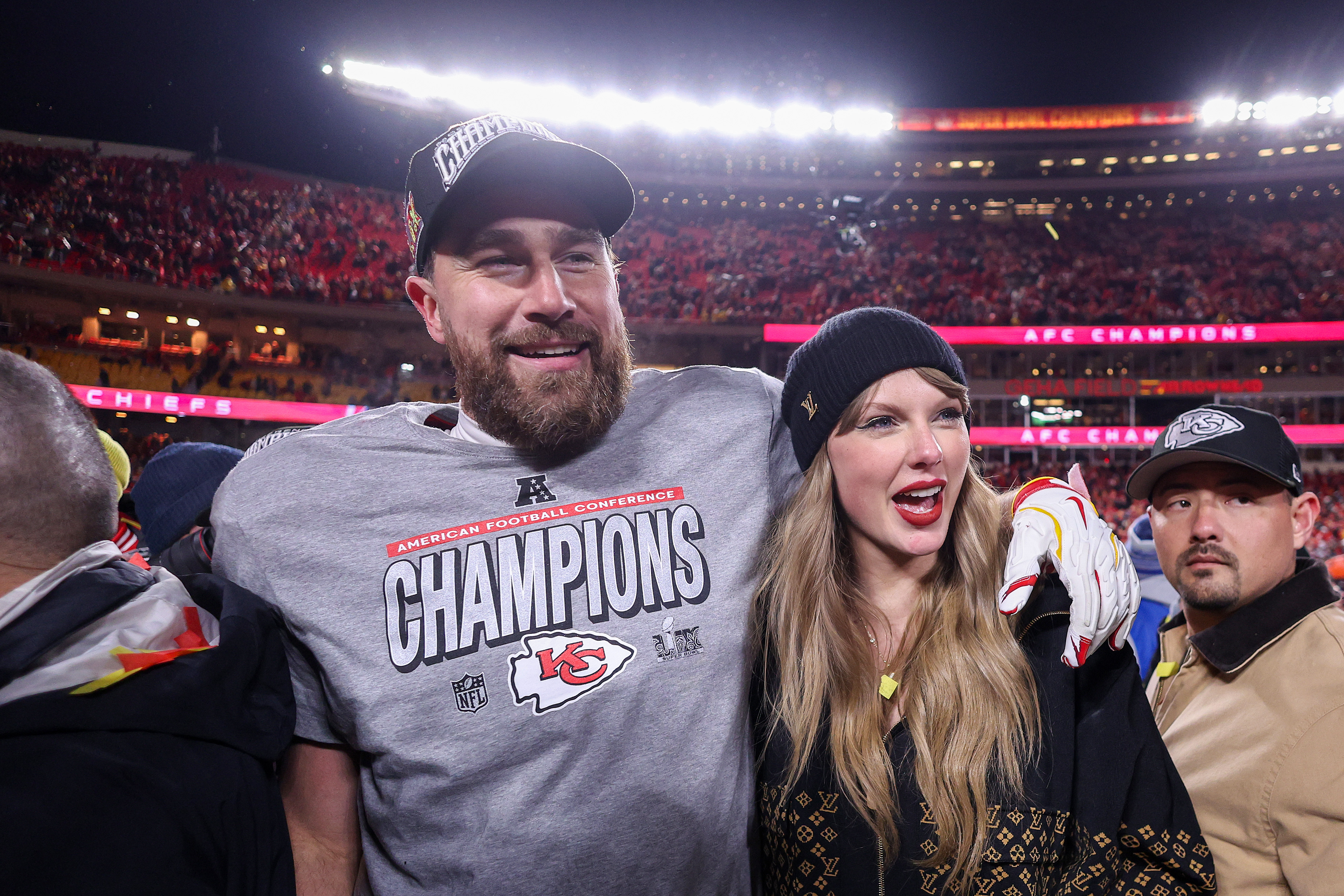
The New York Knicks will play Game 3 of the 2026 NBA Finals at Madison Square Garden on Monday 8 June, tip-off scheduled for 8:30 p.m. ET on ABC/ESPN, holding a 2-0 lead that the San Antonio Spurs have spent the previous 48 hours trying to talk themselves into overcoming. The series shifts venues with the Spurs needing a road win to avoid falling into a 3-0 hole that no NBA team has ever escaped. Pre-game festivities at MSG were already underway by 19:00 UTC, with the league distributing commemorative T-shirts and towels to fans filing into the arena, per a New York–based NBA Live post.
The shape of the series so far is straightforward: two close games in San Antonio, both won by New York, both with Jalen Brunson controlling the fourth quarter. The harder question — the one Game 3 is built to answer — is whether Victor Wembanyama and the Spurs have an adjustment that travels, or whether the Knicks' late-game execution is simply a tier above anything the West could throw at them.
What the models and the betting market are saying
The public market has not been kind to San Antonio. SportsLine's projection model, which entered Monday on a 26-10 run against NBA Finals lines, installed the Knicks as favourites for Game 3 and gave New York the higher probability of lifting the Larry O'Brien Trophy, per a 19:39 UTC CBS Sports dispatch. A separate SportsLine expert pick from Mike Barner — track record cited at 142-105 — also landed on the Knicks side of the spread. The pricing on the series is heavy enough that BetMGM's Monday promo, a $1,500 first-bet backstop tied to the CBSSPORTS code, is being marketed across both the Knicks–Spurs number and the MLB board, a sign that the book expects significant two-way handle on the NBA side.
None of that is dispositive. Models calibrate to regular-season efficiency and recent form; they do not price the specific psychological weight of a 2-0 deficit on a 21-year-old's shoulders. But it is the most concrete read the public has on where the betting market sits roughly two hours before tip.
The counter-narrative: Wemby at home, or Wemby in New York
San Antonio's case for Monday rests on a single structural argument: the Spurs have not yet played a Finals game with the crowd behind them. Two road games in a hostile building, both decided late, both lost — and the league's most scrutinised young player is supposed to be the one who breaks through under that exact pressure? It is a thinner reed than it looks. Wembanyama has been good in this series by any reasonable read of the numbers; he has not been good enough to swing either fourth quarter.
The stronger counter-argument is more mundane. The Spurs' half-court offence in Games 1 and 2 devolved, in the decisive minutes, into a Brunson–versus–everyone proposition. San Antonio's primary adjustment, if one is coming, is likely to be less about Wembanyama's usage and more about denying Brunson the switch he wants, sending extra bodies at the pick-and-roll, and trusting the recovery rotations behind it. That is a defensive scheme that travels. It is also a scheme that requires five players to execute it for 48 minutes, which is why the Spurs' staff would privately take a close loss almost as gladly as a win — proof of concept matters as much as the box score at this stage.
Why Game 3 is the hinge game of the series
NBA history is blunt on the 2-0 road lead. Teams that go up 2-0 in the Finals have won the series roughly 90 percent of the time; teams that have won the first two games on the road have converted at a comparable clip. Those numbers are not deterministic, but they compress the field of plausible outcomes in a way that the betting market is right to price.
The structural frame here is simple and does not require a theory-of-everything to articulate it. New York has the best player in the series, the closer, and now two games of proof that its drop-coverage plan on Wembanyama can survive a Finals possession in June. San Antonio has the longer forward-looking case — a 21-year-old franchise cornerstone, the kind of player you build around for a decade — but is running out of present-tense counter-evidence. Game 3 is the last realistic inflection point: a Spurs win re-opens the series and forces New York to win three of the next four; a Knicks win puts the title within two games and shifts the conversation from "can the Spurs adjust?" to "how do you build around Wembanyama for next year?".
What remains genuinely uncertain
Two things. First, the injury and availability picture — the available reporting on the eve of Game 3 does not specify a Spurs lineup change, which means the most likely adjustment is schematic rather than personnel, but that is an inference rather than a reported fact. Second, the late-game fouling calculus. The Finals have leaned heavily on free-throw shooting as a tiebreaker; if the Spurs are within two possessions inside the final minute, the question is not whether they will foul, it is how early, and that single decision has been the difference in both games so far.
The Spurs need Wembanyama to be the best player on the floor on Monday. The Knicks need Brunson to be the best player on the floor for the fourth time in eight days. One of those things is the kind of bet you make on a generational talent. The other is the kind of bet that wins Finals MVPs.
Desk note: Monexus framed Game 3 as a structural inflection point — the last realistic adjustment window for San Antonio — rather than as a coin-flip spread play. The wire coverage leaned heavily on the betting market; we leaned on what the 2-0 road lead has historically meant and what one more loss would do to the Spurs' off-season planning.