Sorsby-NCAA trial lands in February, a fortnight after the playoff final
A Texas court has scheduled Brendan Sorsby's civil trial against the NCAA to begin two weeks after the College Football Playoff national championship, a calendar choice that may shape how the case is argued and how loudly it is heard.
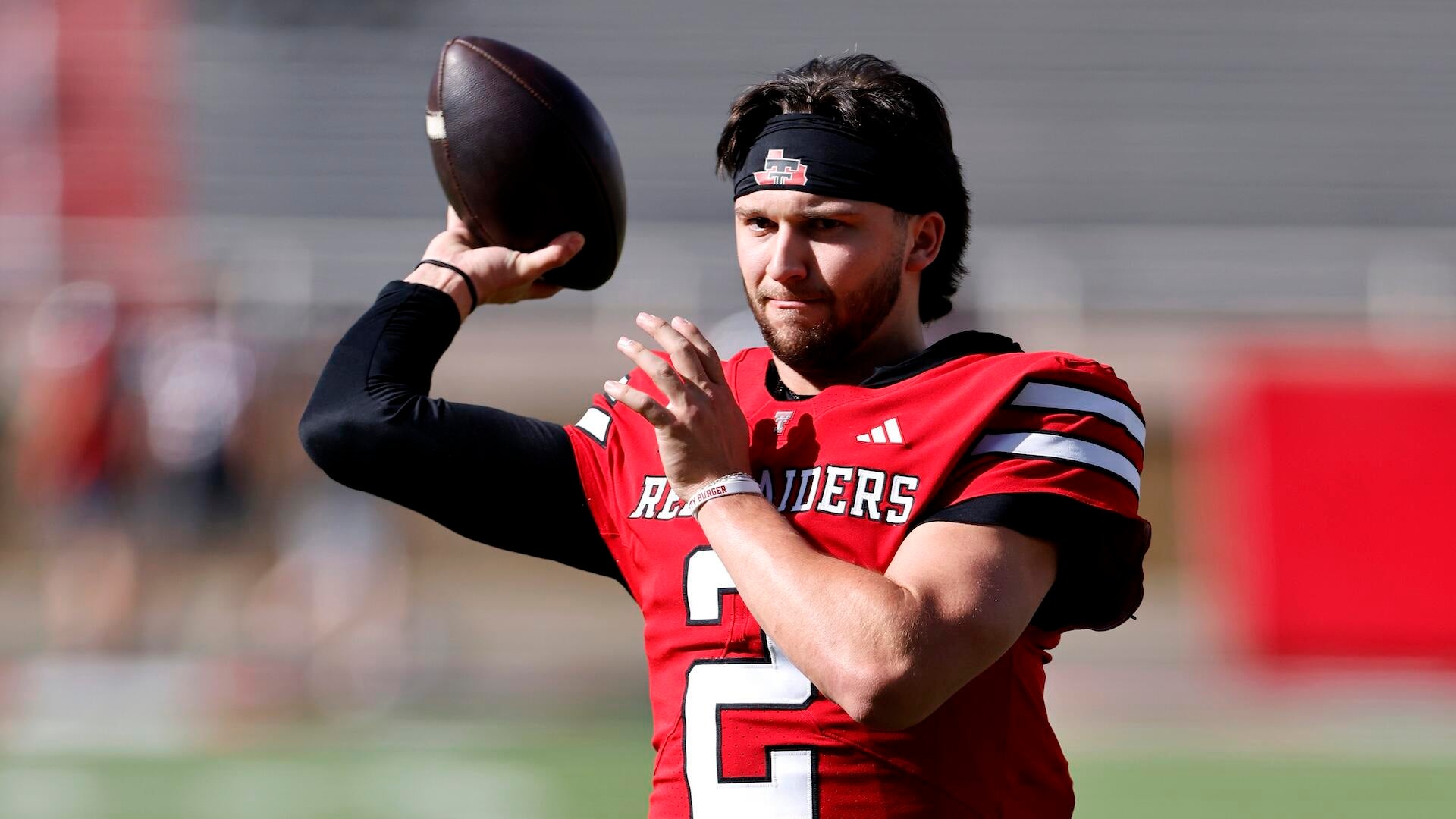
The civil trial pitting Texas Tech quarterback Brendan Sorsby against the NCAA has been placed on a February docket in a Texas court, with opening arguments scheduled to begin two weeks after the College Football Playoff national championship game, according to a scheduling order reported by ESPN on 9 June 2026. The placement puts the courtroom fight inside the same media cycle that decides the sport's last major team trophy of the season — and, in practice, ensures that Sorsby will be litigating on the same campus that may be still celebrating, or still mourning, a title run.
The case is the most visible test yet of how the NCAA's restrictions on athlete compensation survive in a post-NCAA v. Alston landscape, in which the association's amateurism defence has been narrowed but not dismantled. Sorsby's eligibility question — settled in his favour for the 2026 season, per CBS Sports' 9 June 2026 headlines package — only sharpens the longer fight over damages, contract rights, and the scope of permissible benefits for players who move between programmes.
What the calendar actually means
Setting a trial two weeks after the championship is not, on its face, a headline-making choice. Courts in major-media markets routinely slot high-profile cases into windows that the presiding judge believes will maximise attention to jurors, counsel, and — not incidentally — to the gallery. But a February trial date anchored to the end of the college football season creates a specific structural problem: Sorsby's lawyers will be preparing or delivering closing arguments while the sport he plays is at its loudest, and the NCAA's counsel will be working the same beat.
That matters because the case turns on questions of contract, antitrust, and association governance — exactly the sort of evidence-heavy arguments that depend on careful deposition work in the weeks before opening statements. A trial that lands in the playoff's wake leaves both sides with a smaller runway for the preparatory motions that antitrust cases of this kind typically demand.
The eligibility question, and what it does not resolve
CBS Sports' 9 June 2026 headlines package confirmed that Sorsby is eligible for the 2026 season, removing the most urgent competitive threat to the Texas Tech quarterback. That clearance does not resolve the underlying damages claim, which centres on what Sorsby could have earned — in NIL deals, in transfer-market value, in roster protection — had the NCAA's amateurism rules not constrained his movement and compensation in prior seasons.
In other words, the question in February will not be whether Sorsby can play. It will be what the NCAA owes him for the years in which its rules, as currently understood, arguably did.
The structural frame: a narrower amateurism defence, still alive
The NCAA's amateurism defence was trimmed, not abandoned, by the Supreme Court's 2021 NCAA v. Alston ruling, which struck down specific education-related compensation restrictions as antitrust violations while leaving the broader concept of amateurism in place. Since then, conference-level media-rights agreements and state-level NIL statutes have moved faster than the association's national rulebook, leaving the NCAA in the unfamiliar position of enforcing a model that its own member institutions have, in effect, outflanked.
Sorsby's case sits inside that drift. A player who transfers twice in three years — as he has — tests the limits of the NCAA's transfer and multiple-benefits rules in a way that a single-school star rarely does. If his lawyers can show that those limits cost him identifiable NIL income during a period in which comparable quarterbacks at comparable programmes were collecting seven-figure deals, the damages calculation is no longer abstract. It is a balance sheet.
The counter-read, and why it may not hold
The NCAA's likely defence is procedural as much as substantive: that the eligibility waiver Sorsby already received for 2026 effectively moots the damages claim for that season, and that prior seasons are governed by the rulebook as it existed at the time. There is a respectable argument that asking a jury to value NIL opportunities that did not formally exist under NCAA rules until 2021 imposes a retrospective burden the law should not bear.
The counter is that the rules restricting those opportunities did exist throughout Sorsby's college career, even if the markets for monetising them did not. A jury asked to compare what Sorsby earned against what a peer in a comparable market could have earned, in NIL income, transfer-portal leverage, and roster-bonus structures, is being asked to do exactly the kind of counterfactual analysis that antitrust damages cases routinely require. The 2026 season may be the cleanest year to value; the harder years are the ones the trial will actually litigate.
Stakes beyond Texas Tech
If Sorsby wins on the merits, the case is unlikely to be the last of its kind. The combination of name-image-and-likeness markets now operating openly, transfer-portal movement that has effectively nationalised the labour market for college athletes, and conference-level media-rights contracts that are now the single largest line item in many athletic-department budgets has produced a population of players with identifiable economic interests and an association whose authority to police those interests is, at best, contested.
A February trial, argued under the glare of a sport still digesting its own championship, will not be a quiet event. It will be the most public test yet of whether the NCAA's remaining amateurism levers can hold against a player with a calendar, a counsel, and a claim the jury can price.
What remains uncertain
The sources do not specify the precise Texas court, the named judge, or the damages figure Sorsby's complaint alleges. Discovery in the case — including depositions of NCAA eligibility staff and conference administrators — is unlikely to be public before opening statements. The February date also creates a narrow window in which settlement pressure could intensify: the closer the trial comes to a jury being sworn, the more the NCAA's exposure to a public adverse verdict weighs against the cost of resolution. Whether either side blinks first is the variable the calendar has, deliberately or not, amplified.
Desk note: Monexus has framed this as a structural question about the NCAA's residual authority in a market that has already moved past it, rather than as a personality-driven legal story. The wire coverage on 9 June 2026 stressed the scheduling collision with the playoff; we have read that as a procedural fact with structural consequences, not as a headline in itself.
Wire provenance
This editorial synthesis draws on the following public wire/social posts:
- https://www.supremecourt.gov/opinions/20pdf/20-512_g31h.pdf