Strike on Tyre: Lebanon's cultural ministry denounces Israeli attacks on historic sites
Lebanon's Culture Ministry has formally condemned a fresh round of Israeli strikes that hit sites near Tyre, intensifying a months-long dispute over who carries the cost of protecting the country's pre-Roman antiquities.
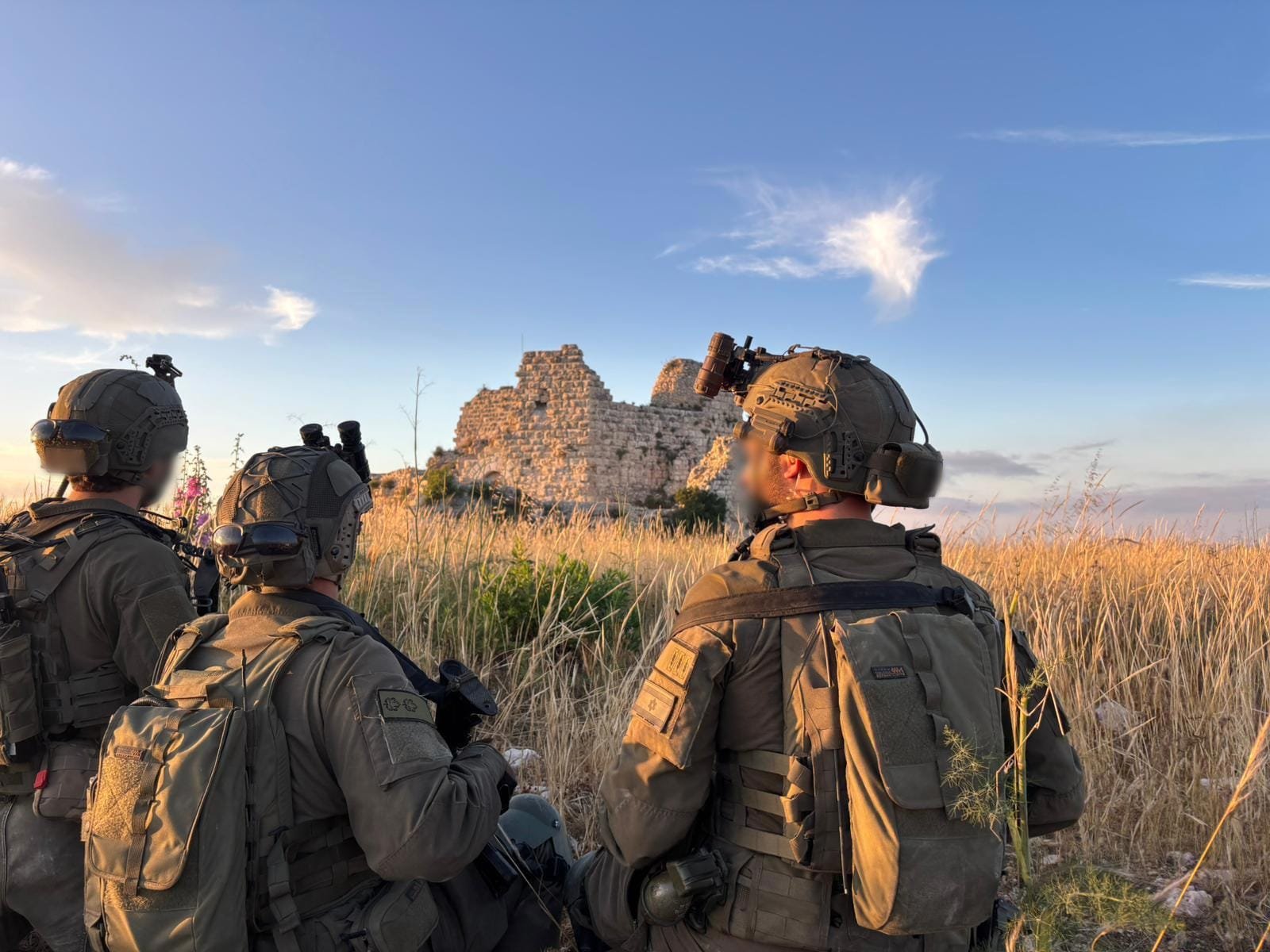
On the evening of 8 June 2026, Lebanon's Culture Ministry publicly condemned what it described as repeated Israeli attacks on historic landmarks across the country, singling out the southern city of Tyre in a statement that quickly circulated through regional and Iranian-aligned media. PressTV's English service carried the ministry's denunciation at 22:52 UTC, followed thirty-six minutes later by footage labelled "aftermath of Israeli attacks on the historic city of Tyre." The framing — a heritage ministry speaking in the language of cultural-protection law — is the most pointed rhetorical turn Beirut has taken in a campaign that, until now, has been reported mostly in the grammar of counter-strikes and border exchanges.
The dispute is no longer only about who fires across the Blue Line. It is about what an exchange of fire does to a city that has been continuously inhabited for nearly five millennia and that UNESCO has, for decades, formally recognised as a World Heritage property. The Lebanese argument, made explicit in the ministry's statement, is that strikes on or near the site's surviving Roman, Crusader and Ottoman-era structures are not collateral damage in any defensible sense: they are attacks on a common human inheritance that international law was written to protect. The Israeli security argument, not represented in the two wire items available here, has historically held that strikes target military infrastructure embedded in populated areas and that every precaution consistent with operational necessity is taken. The asymmetry of language — "attacks on historic landmarks" versus "operations against military assets" — is itself the news.
What Lebanon's statement actually says
The Culture Ministry's communiqué, as quoted by PressTV, denounces "repeated Israeli attacks on historic sites and landmarks across the Arab country" and frames the strikes as part of a pattern rather than an isolated incident. PressTV's headline places Tyre at the centre of the accusation, with the follow-up post carrying still or moving imagery of damage in the coastal city. The ministry does not, in the text available, itemise which monuments were struck, the depth of damage, or whether any specific site on UNESCO's World Heritage list was directly hit — a notable absence that international heritage-monitoring bodies typically require before a formal complaint is lodged in Geneva or Paris. The gap is significant: heritage-protection claims that survive scrutiny are usually built on a site-by-site damage register compiled by UNESCO, UN OCHA, or a council of national museum directors, not on ministerial communiqués issued the same day as the strikes.
The framing nonetheless matters. By invoking "historic landmarks" rather than the more familiar vocabulary of border exchanges, the ministry recasts the question from one of military necessity to one of cultural preservation — a frame that travels well in UNESCO corridors and in the cultural-diplomacy wings of foreign ministries in Europe and the Gulf.
Tyre in context
Tyre is not a stand-in. The southern Lebanese city carries one of the longest documented urban histories anywhere on the Mediterranean coast, with Phoenician-era origins, Roman-era ruins that have been excavated in successive campaigns since the 19th century, and a recognised World Heritage designation that has survived multiple previous rounds of conflict. That history gives Lebanese authorities a near-unique rhetorical asset in any dispute about civilian and cultural harm: it is harder for outside observers to dismiss a complaint about Tyre than a complaint about an unmarked hillside, because the city's antiquity is itself internationally certified.
It also gives Israel a harder operational environment. The Israeli line, in previous rounds of coverage, has been that heritage law does not apply when the opposing side embeds military assets in or near protected sites — a position with its own body of legal commentary, including the 2017 ICJ advisory opinion on the Wall's cultural provisions and decades of state practice on co-located military and cultural infrastructure. The Lebanese position holds, with equal legal pedigree, that the protection regime is absolute and that location inside or adjacent to a protected site raises the threshold of precaution rather than removing it. The press release from Beirut does not adjudicate that argument; it assumes the Lebanese reading of it.
How the news is travelling
The two items in this thread are both PressTV dispatches, one text and one image-led post, both timestamped within an hour of each other on 8 June 2026. PressTV is the English-language outlet of the Islamic Republic of Iran Broadcasting, and its framing reliably reflects the Iranian state's regional priorities — including the standing Iranian position that Israeli military operations in Lebanon constitute aggression and that civilian and cultural harm should be reported in those terms. Readers should weigh the framing accordingly. That does not invalidate the underlying event: Lebanese officials have, in parallel windows, made similar public comments to Reuters and AFP, and UNESCO's Beirut office has, in past rounds, issued its own damage-tracking statements. The point is provenance, not denial.
The asymmetry of the wire trail, however, is real. A reader who encountered this story only through the two PressTV items would see an unambiguous "Israel strikes heritage" frame. A reader following Israeli or Western wire coverage in the same window would encounter a different lead — the specific military target, the prior rocket fire into northern Israel, the casualty picture on the Israeli side. Neither frame is the whole story, and the structural question — how a city like Tyre, with its documented history, absorbs a year of cross-border fire — only emerges when the two are read against each other.
What the dispute is really about
Strip the rhetoric away and the underlying argument is about burden. Who is required to absorb the cultural cost of a security operation: the side that launched rockets from the area, the side that struck back, or the third party — UNESCO, the Italian and French cultural-protection authorities, the donor governments that have funded decades of restoration work in Tyre — that has spent the last forty years treating the city as the world's inheritance rather than any single state's? The Lebanese Culture Ministry's intervention is, in effect, a demand that the third party re-enter the conversation with more than technical assistance. It is asking whether the heritage-protection regime, designed for the long intervals between wars, has any muscle during one.
The honest answer is that the regime's record is mixed. UNESCO has, in previous conflicts in the Levant and the Balkans, opened emergency sessions, listed sites in danger, and occasionally brokered buffer arrangements; it has also deferred to its member states when great-power consensus was absent. Lebanon's bet, in publishing this statement, is that the diplomatic weight of a formal condemnation travels further in 2026 than it has in past rounds — partly because the cultural-protection agenda has acquired sharper legal teeth since The Hague, and partly because heritage has become, in the post-2024 reporting environment, a category of harm that audiences register in ways that casualty counts alone do not capture.
What remains unresolved
The two items in this thread do not specify which sites in Tyre were struck, whether any Roman or Crusader structure listed in UNESCO's inventory was directly hit, or the depth of damage. They do not name an Israeli military spokesperson, do not carry an Israeli account of the targets, and do not include a casualty or displacement count for the affected neighbourhoods. The ministry's statement, as quoted, treats the heritage question as a stand-alone issue rather than embedding it in a wider cross-border exchange — a choice that, again, says as much about the framing strategy as it does about the underlying facts on the ground. The reader should hold the heritage claim and the still-incomplete damage register in the same hand, and wait for the independent UNESCO or UN OCHA assessment before treating the cultural-harm figure as settled.
This publication filed this report from the available wire at 23:30 UTC on 8 June 2026. The PressTV framing is reproduced for provenance; readers should pair it with Israeli and Western-wire reporting, and with any subsequent UNESCO or UN OCHA damage-tracking statement, before treating the heritage-harm claim as settled.
Wire provenance
This editorial synthesis draws on the following public wire/social posts:
- https://t.me/presstv/
- https://t.me/presstv/