Wembanyama's 32-piece quiets the Garden and turns the Finals into a series
A French 22-year-old's first Finals win at MSG — and a Knicks coach's post-game broadside at the officials — have turned a 2-0 series into a 2-1 series with the White House in the building.
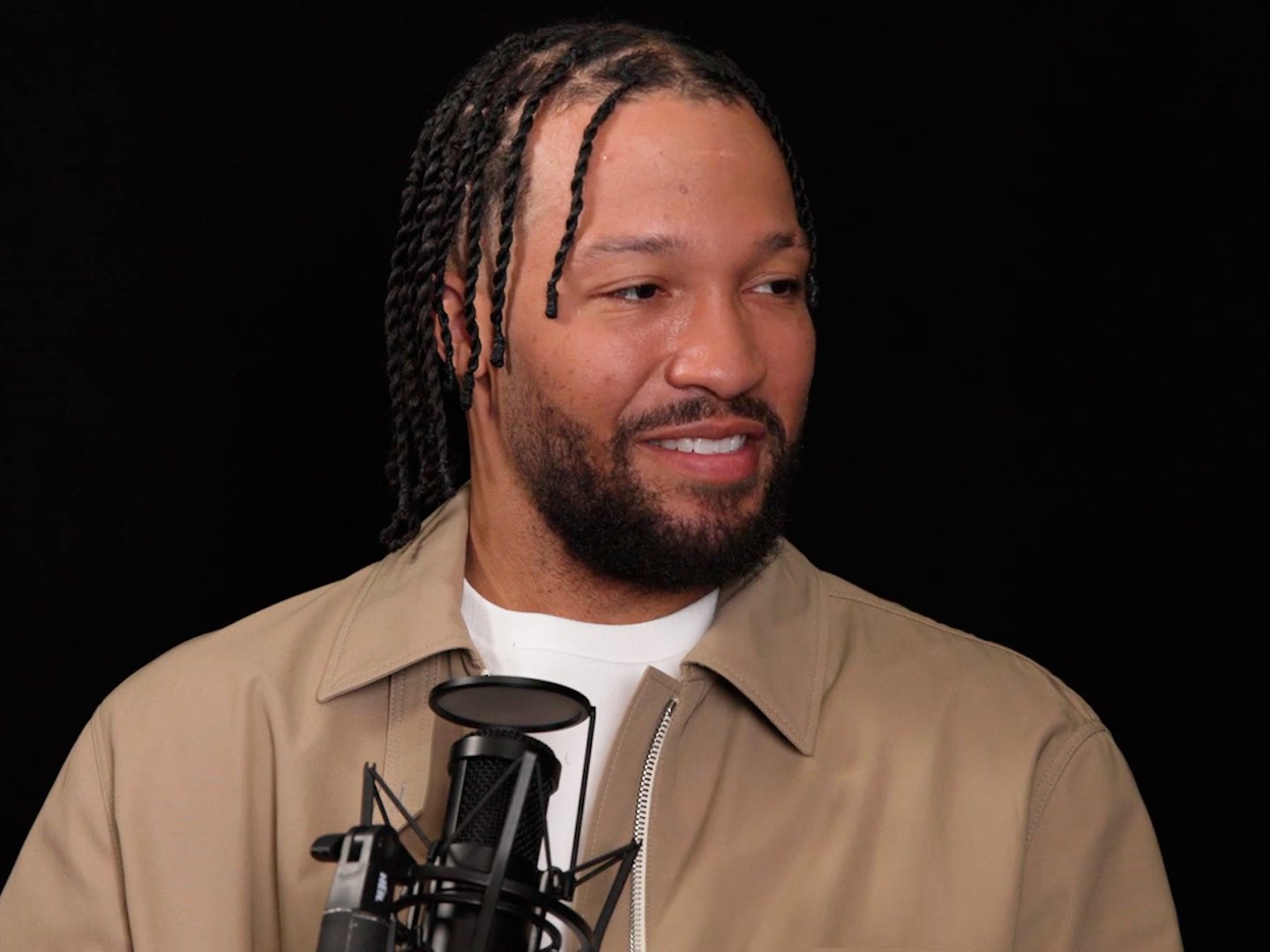
Victor Wembanyama walked into Madison Square Garden on 8 June 2026 as the most-hyped visiting player in the building in years, and walked off it as the first visiting star in this series to actually win a game there. His 32 points carried the San Antonio Spurs to a 115-111 victory over the New York Knicks, cutting New York's NBA Finals lead to 2-1 and giving the league a best-of-seven series with a pulse again, after the first two games had suggested a coronation.
What was supposed to be a New York coronation night — the President of the United States in the lower bowl, a 13-game playoff win streak on the line, and a city that had waited twenty-seven years to host a Finals game — instead became the moment a 22-year-old Frenchman imposed his dimensions on the sport's loudest stage. It was, the wire services agreed in unison the following morning, the game the Spurs had to win, and the one the Knicks gave away.
The basketball
San Antonio withstood the swings the Finals have specialised in, including multiple Spurs scoring runs that the Knicks answered and re-answered, before finishing the job in the fourth. Wembanyama's 32 led the visitors; the BBC's match report called him the difference in a game that otherwise looked like a coin-flip with seven minutes left. The Spurs' defensive rating on the Knicks' primary creators down the stretch — switching everything, swallowing dribble hand-offs, forcing Jalen Brunson into two late misses that his coach would rather not relive — was the structural reason a game the Knicks led at half became a Spurs win. New York's 13-game playoff win streak, dating to the prior postseason, is now over.
That the streak fell on a night Donald Trump attended his first NBA Finals game in New York since 1999 — a fact flagged in Sky Sports' and the BBC's pre-game build-up — was the kind of subplot the league neither needs nor controls. The home crowd booed the President during the first quarter, loudly enough that the in-arena cameras caught it and the network cut away. It is the kind of moment that, on a normal night, would have been the story. On this night it was the second story.
The officiating
The third-quarter sequence that Knicks head coach Mike Brown turned into a post-game press conference was always going to be the second story until he made it the first. San Antonio shot 24 free throws in the second half; New York shot eight. The Knicks' coach told ESPN's broadcast crew, in remarks later filed by the BBC and CBS, that he had "never thought I'd see" that kind of gap in a Finals game, and that his complaint was not that the Spurs were being favoured with the whistle so much as that the standard was being applied asymmetrically — hand-checking on Brunson, no whistle; a brush of the wrist on a Spurs perimeter player, two shots.
ESPN's reporting, and the CBS Sports Headlines recap, both noted that Brown did not claim the Knicks were flawless in the half-court. He made the narrower, more dangerous argument: that you can lose a Finals game and still be right that the calls were not even, and that both can be true at once. That distinction will probably survive the post-game cool-down and re-emerge at the referee's review window ahead of Game 4. The Knicks' lead at the line, by the numbers the two outlets ran, was 16 attempts across two halves of basketball. In a series this tight, 16 is not a rounding error.
The other story
The ESPN filing that landed at 20:15 UTC on 9 June reported a second, uglier undercurrent. Videos circulating across social media purport to show New York fans attacking Spurs supporters outside the Garden in the hours around the game. Wembanyama, in remarks carried by ESPN, condemned the violence; Knicks players issued their own statement. The footage has not been independently authenticated by a wire service, and the police blotter has not been published, which is why this is being flagged as "purported" footage rather than confirmed assaults. The athletic outcome, the officiating, and the conduct of a portion of the home crowd are three separate stories that happened to share a night, and the league will be expected to deal with each on its own track.
What Game 4 decides
A 2-1 series in which the road team just stole the favourite's home floor is, in Finals terms, a coin-flip series again. SportsLine's computer model, which CBS Sports Headlines referenced, has San Antonio as the favourite to even the series on Wednesday night at the Garden — the model is on a 26-10 run against the spread across the postseason, by the network's own count, which is the kind of number handicappers will quote carefully and sceptics will ignore. The Spurs' half-court defence, which spent Game 3 turning Brunson into a contested-jumper merchant, travels; their offence, which still turns over the ball in clusters when Wembanyama sits, does not.
The officiating question is the one that does not travel. The NBA's last-two-minute report from Game 3 will, per league practice, drop some time on Tuesday. If it confirms even two of the calls Brown cited, the Knicks' coach will have the league's own paperwork underwriting his argument, and the league will have a problem it cannot referee away. If it clears the officials, Brown will have to walk the complaint back, which is rarely how coaches in a 2-1 hole want to spend a Tuesday.
What remains genuinely uncertain is whether Wembanyama's Game 3 was a star ascending or a one-off road performance in a building he may not see again in this series. The Spurs' 32 points and their switching defence both travel; their ability to absorb a Brunson fourth quarter without the official margin saving them is the variable. The Knicks' lead is still a lead, but for the first time in this Finals, it is the lead of a team that has to answer questions, not just ask them.
This publication framed Game 3 around Wembanyama's performance and the officiating gap Brown flagged, in that order. The wire consensus led with the series score; the social-media fan-violence footage was carried by ESPN but not yet verified by an independent outlet, and is treated here as a separate, evolving story.