Doha's Tehran shuttle: mediation, leverage, and the architecture of a US-Iran deal
A Qatari delegation landed in Tehran on 10 June 2026 to brief Iranian officials on the state of the US-Iran track. The read-through is that Doha is no longer just a host — it is a principal.
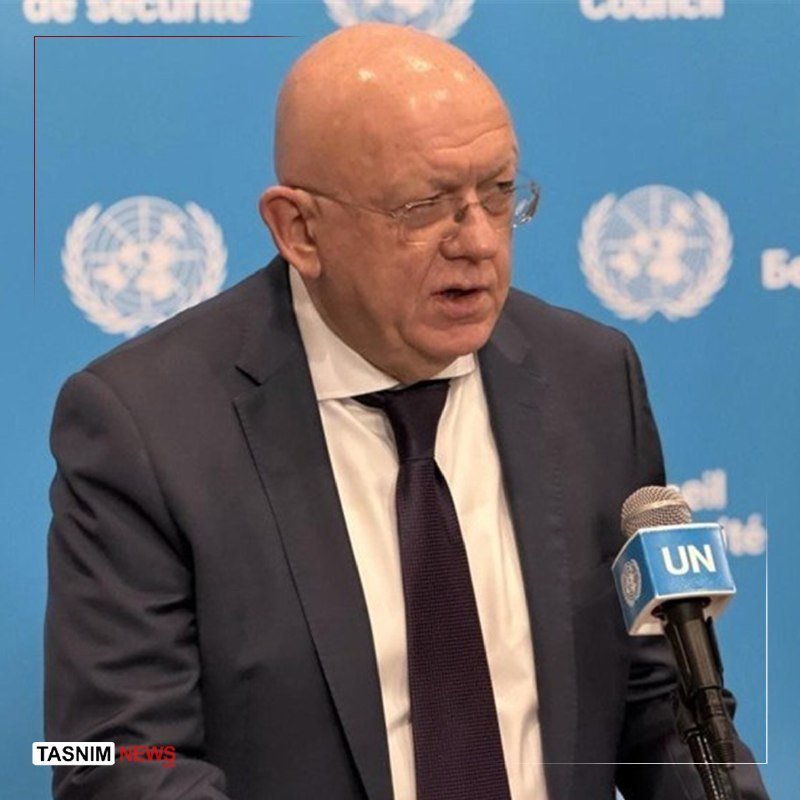
A Qatari delegation arrived in Tehran on 10 June 2026 for what Iranian and Qatari-aligned state media both described, in near-identical language, as consultations on bilateral relations and the wider mediation effort between Iran and the United States. The framing, repeated by both PressTV and Al-Alam, makes the political signal explicit: Doha is in the room not as a courier but as a shaper of the negotiation.
The read-through matters because the US-Iran file has spent most of the last two decades moving through Swiss, Omani, Iraqi and (briefly) Saudi channels. The visible re-weighting toward Qatar, sitting on the world's largest LNG export base and hosting the largest US forward operating footprint in the Gulf, is a structural change in the architecture of the talks — and it carries implications far beyond the nuclear file.
What Doha is actually doing
The Iranian read, as carried by state outlets, presents the visit as routine diplomacy: regional consultations, bilateral messaging, support for the negotiation track. That is the diplomatic floor. The diplomatic ceiling, visible in the choice of Doha as the channel at exactly this moment, is that Qatar has positioned itself as the one Gulf capital willing to be seen in Tehran publicly at a time when other Arab states are keeping their distance. The mediation framing is the cover; the bilateral framing is the substance; the visit timing is the message.
A second-order point: the language used by both PressTV and Al-Alam leans heavily on the term "imposed" when describing the wider US-Iran confrontation — a deliberate framing cue, common in Iranian state media, that locates responsibility for the standoff in Washington. That phrasing matters for any deal that eventually lands. Tehran will need to sell the outcome domestically as relief from an imposed crisis, not as concession.
Why the Gulf is the new negotiating floor
For most of the post-2018 period, the Iran file moved through Muscat, Bern, and at moments Baghdad. Each of those channels had a logic: Oman as a quiet Shia-majority neutral, Switzerland as the US protecting power, Iraq as a neighbour with shared interest in de-escalation. What Qatar adds is a different kind of capital — gas capital, hosting capital, and a US Central Command forward presence that no other mediator can claim.
That combination lets Doha do two things at once. It can carry messages to Tehran that arrive with the implicit weight of a host that sees US planning files every day, and it can carry messages back to Washington that no Iranian envoy would deliver directly without losing face. In mediation terms, this is leverage, and it is the kind of leverage that smaller Gulf states have spent the last decade accumulating as the regional order fragments.
The counter-read: why this is less than it looks
There is a plausible alternative interpretation. Qatar's mediation profile has been high for years — most visibly during the 2023–2024 pause-and-resume phase of the wider Gaza diplomacy — without producing durable breakthroughs. A delegation visit, even one explicitly framed around US-Iran mediation, is a step, not a deal. The Iranian state outlets covering the trip are incentivised to amplify any signal of diplomatic momentum, because Tehran's currency at home and abroad partly depends on the appearance of an active track.
The counter-read is that this is diplomatic theatre calibrated to manage expectations on all sides: Tehran signals it is not isolated, Doha signals its relevance, and Washington can read the visit as confirmation that the channel is open without committing to specifics. None of that requires movement on the underlying file — enrichment levels, sanctions sequencing, the IRGC Quds Force designation, the fate of detained dual-nationals.
Stakes over the next quarter
If the Doha track does produce a framework, the structural beneficiaries are predictable. Tehran gets sanctions relief and a managed re-entry into regional energy markets. Doha gets a permanent seat at the table of great-power diplomacy in the Gulf, displacing Oman as the default channel. Washington gets a verifiable cap on enrichment and, critically, a framework that holds the regional escalation ladder down at a moment when it is already under strain. The losers are the harder-line constituencies on all three sides: the IRGC hardliners who read any deal as strategic retreat, the Gulf states that lose leverage when Doha monopolises the channel, and the US sanctions hawks in Congress for whom any thaw is a defeat.
What remains genuinely uncertain is sequencing. The sources covering the visit do not specify a timeline, a venue for a next round, or a named Iranian counterpart with authority to finalise. That absence is the most important fact in the story. Until a sitting location, a date, and a delegated Iranian negotiator with a verifiable mandate are on the record, the Doha shuttle is a signal of intent — not a deal.
Monexus framed this as a story about the architecture of mediation — who gets to sit at the table and why — rather than as a stock-ticker on the nuclear file. The two Telegram feeds covering the visit are themselves the data point: the framing choices, the shared vocabulary, the timing all carry the diplomatic signal that the visit's official purpose does not.
Wire provenance
This editorial synthesis draws on the following public wire/social posts:
- https://t.me/presstv/
- https://t.me/alalamfa/