Hormuz on a hair trigger: why Iran's blockade gambit is not what it looks like
A downed MQ-9, a naval blockade in all but name, and a diplomatic track that — by Washington's own account — was moving before the shooting started. The Strait of Hormuz is the world's most expensive flashpoint, and both sides are now improvising in public.
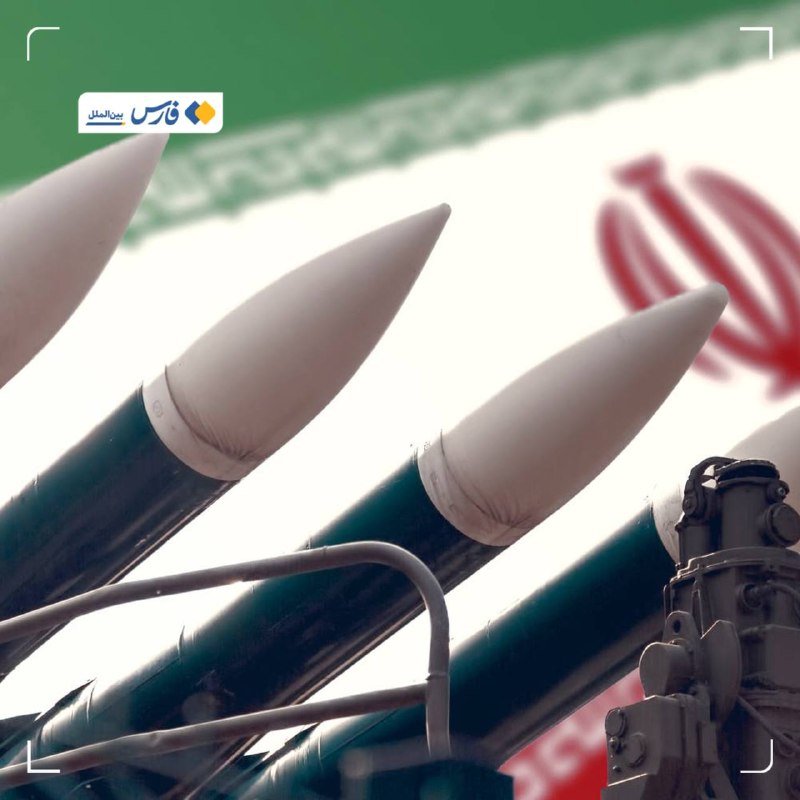
At 06:48 UTC on 10 June 2026, the Islamic Revolutionary Guard Corps said one of its units had shot down a US MQ-9 Reaper drone that was "attempting to approach the area of operations from the northern airspace of the Persian Gulf" during what Iranian state media called "ongoing aerial engagements over the Strait of Hormuz." By 08:24 UTC, Press TV was circulating footage it described as the engagement itself. By 08:29 UTC, Fars News was telling readers, in unusually blunt terms, that "a military attack is one of the options on Iran's table to remove the blockade."
The picture on the ground is being reported as a near-blockade of the strait — a chokepoint through which roughly a fifth of seaborne oil normally passes — with Tehran framing any move to lift it as legitimate self-defence and Washington signalling that diplomacy was, until very recently, the dominant track. The question is which version of events the next forty-eight hours ratifies.
What the Iranian side is actually claiming
Tehran's messaging on the morning of 10 June is consistent and worth taking seriously on its own terms. The IRGC's public-relations arm describes a layered aerial operation in the strait, in which US unmanned aircraft approaching the operating area were engaged and brought down. Press TV has broadcast what it says is footage of the intercept, dated 10 June 2026. The framing is not incidental: the language of "area of operations" and "aerial engagements" treats the strait as contested sovereign space, not international transit.
The harder claim is Fars's: that Iran is prepared to use military force to break a naval blockade it accuses the United States and its Gulf allies of imposing. Iranian state media has used the word "siege" in recent weeks to describe sanctions enforcement and the US naval presence in the Gulf. Whatever one makes of the rhetoric, the operational content is verifiable: an MQ-9 has been lost over the northern Persian Gulf, and Iranian outlets are presenting the shoot-down as deliberate policy, not an accident of intercept rules.
The diplomatic track that was — reportedly — moving
Against that, Jerusalem Post's 08:26 UTC wire carries a striking counter-point from US officials: that negotiations on a nuclear deal had moved "well beyond deliberations on the opening of the Strait of Hormuz," with diplomats describing the exchanges as substantive. If accurate, the implication is uncomfortable for the hawks on both sides: a deal was within reach when the kinetic phase began, and the shooting is now reshaping a track that was, by Washington's own description, gaining ground.
That tension — talks advancing, drones being shot down — is the central fact of the morning. It is also the fact most likely to be flattened in Western coverage, which tends to read any Iranian escalation as evidence that diplomacy was always doomed. The Jerusalem Post sourcing suggests the opposite: that the diplomatic window was real, narrow, and probably narrower now.
A chokepoint, not a battlefield — the structural read
The Strait of Hormuz is roughly 21 miles wide at its narrowest, with two-mile-wide shipping lanes in each direction. That geometry is the whole game. Iran does not need to win a naval engagement to weaponise the strait; it needs only to make the insurance and rerouting calculus hostile enough that the marginal tanker diverts to longer routes, refining margins widen, and the political cost of the status quo rises in Washington, Beijing, and Brussels simultaneously. A single MQ-9 shoot-down is a noise signal; a sustained campaign of harassment is a price signal. The current messaging out of Tehran is consistent with the second, more damaging track.
The structural frame, in plain language, is that the United States has spent two decades treating Gulf security as a function of carrier presence and sanctions architecture, while the other side has spent the same period building a layered deterrent of fast craft, shore-based missiles, mining capacity, and — as the morning's footage shows — increasingly capable air-defence and drone warfare. The two doctrines were always going to meet somewhere; they appear to be meeting over the northern Persian Gulf on the morning of 10 June 2026.
What remains uncertain — and what is not
Several things are genuinely contested. The exact trigger for the 10 June engagement has not been independently corroborated outside Iranian and Israeli channels, and the US military has not, as of this writing, confirmed the loss of the airframe on the record. The status of the nuclear track is "reported progress" per unnamed US officials cited by Jerusalem Post — that is one or two phone calls from collapse in either direction. And the phrase "naval blockade" is doing a lot of work in Fars's framing: international law recognises blockades only as acts of war between declared belligerents, and the United States has not declared one.
What is not in serious dispute is the operational reality: the strait is being treated as a live combat zone by at least one of the two principal navies operating in it, a US asset has been lost, and a diplomatic track that was, by the Americans' own account, advancing is now competing with a kinetic one that is, by the Iranians' own account, intentional. The next move is Washington's, and the question is whether it answers in the language that was working yesterday, or the one that wasn't.
— Desk note: Monexus is framing this as a contest between a diplomatic track that US officials say was moving and a kinetic track that Iranian state media is owning outright. The wire consensus tends to lead with the shooting; the equally newsworthy fact is that the talks had reportedly progressed past the strait itself before the engagements began. Both are in the lede.
Wire provenance
This editorial synthesis draws on the following public wire/social posts:
- https://t.me/FarsNewsInt
- https://t.me/The_Jerusalem_Post
- https://t.me/presstv
- https://t.me/presstv
Follow the event.
These dated source records provide context. They do not retrospectively verify this archive article.
Separate what the nuclear watchdog reported from what it could not determine after the June 2025 strikes.