Tehran Says Diplomacy With Washington Is 'Damaged' as US-Iran Tensions Rattle the Dollar
Iran's foreign ministry says strikes have 'damaged' diplomacy with Washington, even as the dollar treaded water on inflation watch and a regional commentator mocked calls for Tehran to 'absorb' the attacks.
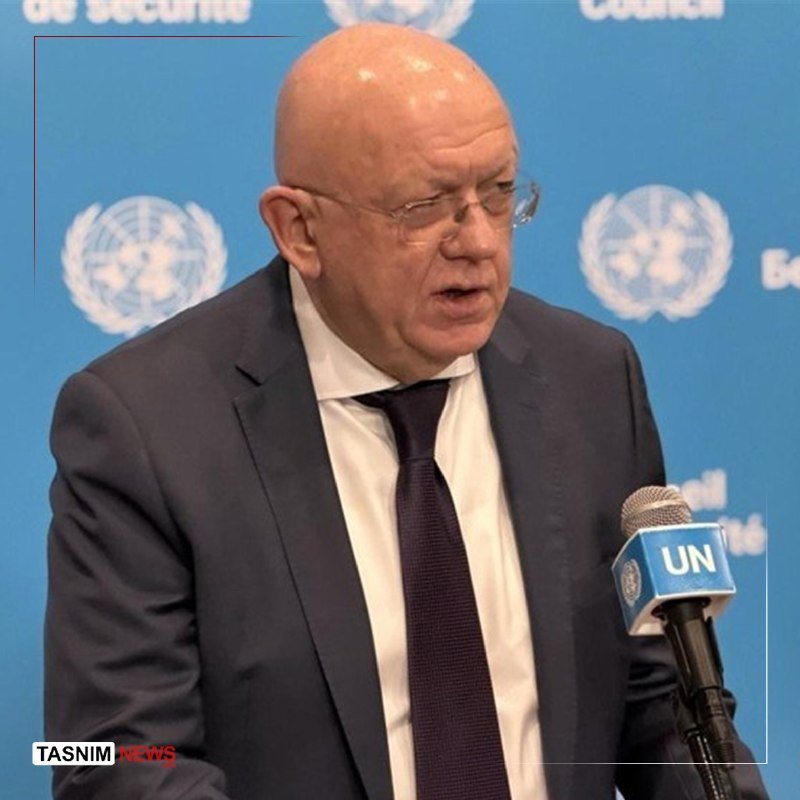
Iran's foreign ministry declared on the morning of 10 June 2026 that the diplomatic channel with the United States had been "damaged" by recent strikes, injecting a fresh layer of uncertainty into a Middle East corridor already priced into global currency desks. The statement, carried shortly after 09:15 UTC by Telegram channels monitoring Iranian state media, lands on a day when the dollar was already treading water against major peers as traders weighed US inflation data against the renewed prospect of an open US-Iran flashpoint.
The exchange of words matters less for its phrasing than for what it reveals about the operating assumptions on both sides of the Gulf. Tehran is signalling, in the careful language of a foreign-ministry readout, that the off-ramp it had been willing to discuss is no longer operative. Washington, for its part, has not publicly conceded that the channel is closed — but the silence from the State Department, paired with a steady drumbeat of regional commentary urging Iran to "absorb" recent attacks and "move on," suggests the negotiating posture is being managed by spokespeople rather than principals. The result is a market that cannot price a deal, and a diplomacy that cannot claim a mandate.
What was said, and by whom
The Iranian foreign ministry's line — that strikes have "damaged" the diplomatic track — is the standard formulation Tehran uses when it wants to preserve the option of returning to talks without appearing to cave. It is not a declaration that talks are over; it is a warning that the cost of resuming them has risen. The language appeared first in Persian-language ministry readouts and was amplified almost immediately by regional aggregators, with the Telegram channel Insider Paper distributing the headline verbatim at 09:15 UTC on 10 June 2026.
On the other side of the conversation, the most arresting note struck was not from a government at all. The Telegram channel Middle East Spectator, posting at 09:43 UTC, flagged commentary arguing that Iran should "absorb" recent strikes and "simply move on." The post — a screenshot of a longer text — was framed as incredulity rather than endorsement. The substance of the argument, however, is one that has surfaced in various forms in Western commentary since the flare-up began: that the asymmetry of escalation favours the party willing to be patient, and that Iran's strategic interest lies in de-escalation rather than retaliation. It is a reading that gives Tehran the dignity of strategic agency — and that, in turn, is precisely what hawks in Washington and Riyadh find hardest to accept.
The dollar's quiet verdict
While the diplomats traded barbs, the currency markets delivered a more measured verdict. A Reuters market report distributed via X at 09:10 UTC on 10 June 2026 noted that the dollar was "treading water" as traders weighed US-Iran tensions against incoming inflation data. That phrasing — neither rallying nor retreating — is itself the story. A genuinely feared escalation would have driven a dash into the dollar on safe-haven flows; a genuinely expected de-escalation would have done the opposite. The flatness suggests that the strikes have been partially priced in, that the market believes neither side wants a wider war, and that the next move will be dictated by data — Friday's US consumer-price print, in particular — rather than by the daily rhythm of regional provocation.
The structural read is more uncomfortable. The dollar's safe-haven premium has, for two years, been eroded by the slow accumulation of sanctions-resistant trade in oil and a quiet but persistent move by several major non-aligned buyers toward settlement in currencies other than the greenback. A US-Iran flare-up does not reverse that; if anything, it accelerates the hedging. Iran's foreign-ministry language is part of that same pattern: a regime publicly keeping the diplomatic lane open precisely because the alternative — full economic isolation in a multipolar oil market — is no longer the deterrent it once was.
The two readings of the moment
There are two plausible ways to read 10 June 2026. The first is the Western-wire default: that Iran's foreign ministry is posturing, that the strikes have imposed real costs, and that Tehran will eventually return to the table because it has no better option. The second reading, more common in regional and Global-South commentary, is that the "damage" line is a way of buying time while Iran consolidates relationships with Beijing and Moscow, both of whom have an interest in a multipolar Middle East that is not organised around a single US-brokered security framework. The two readings are not mutually exclusive. But they imply different policy responses. The first reading justifies patience; the second justifies an active diplomatic effort to give Tehran an off-ramp that does not require surrender.
The Middle East Spectator post is useful precisely because it surfaces the harder version of the first reading — the one that says Iran should swallow the strikes and continue negotiating. That argument is structurally similar to the one made about Russia in the early months of the Ukraine invasion: that the invaded party should absorb the costs of the attack in the name of de-escalation. It is a reading that treats the management of escalation as a neutral technical exercise, rather than as a question about which party's sovereignty and territorial integrity is being defended. Monexus finds the parallel instructive, even if the regional dynamics differ in kind rather than degree.
What remains uncertain
The sources do not specify the scale or target of the strikes Tehran is referring to, nor do they name the specific diplomatic channel that has been "damaged" — whether the back-channel run through Oman and Qatar, the broader nuclear-file track, or a more informal track altogether. They do not specify whether Iran's foreign ministry is speaking on behalf of the broader security establishment, or whether it is, as is often the case, the public face of a more divided internal debate. They do not provide casualty figures, dollar-amount estimates of damage, or any indication of the timeline over which Tehran expects the diplomatic track to recover — if it does.
What the sources do establish is narrower but firmer: that on the morning of 10 June 2026, the Iranian foreign ministry used the word "damaged" about its relationship with Washington, that the dollar market absorbed the headline without a major move, and that regional commentary is now openly debating whether Iran should be asked to absorb further attacks in the name of continuity. The next forty-eight hours — Friday's US inflation print, any Iranian security-establishment readout, any movement on the Omani or Qatari channels — will determine whether "damaged" becomes "broken," or whether it becomes the predicate for a quieter restart. The dollar will be watching; so, more consequentially, will the oil market.
Desk note: Monexus led with the Iranian foreign ministry's own framing of the diplomatic state of play, paired it with the regional commentary that surfaced on Telegram channels, and read the Reuters currency report as a market verdict on the trajectory. Where the Western-wire line and the regional reading diverge, both are presented in full.
Wire provenance
This editorial synthesis draws on the following public wire/social posts:
- https://t.me/insiderpaper
- https://t.me/Middle_East_Spectator
- https://x.com/reuters/status/
Follow the event.
These dated source records provide context. They do not retrospectively verify this archive article.
Separate what the nuclear watchdog reported from what it could not determine after the June 2025 strikes.