Majdal Zoun under the air: what ten strikes in a single morning tells us about Israel's southern Lebanon posture
Israeli aircraft struck the southern Lebanese village of Majdal Zoun at least ten times in a single morning, Lebanese and Beirut-aligned outlets reported. The pattern, not the payload, is the story.
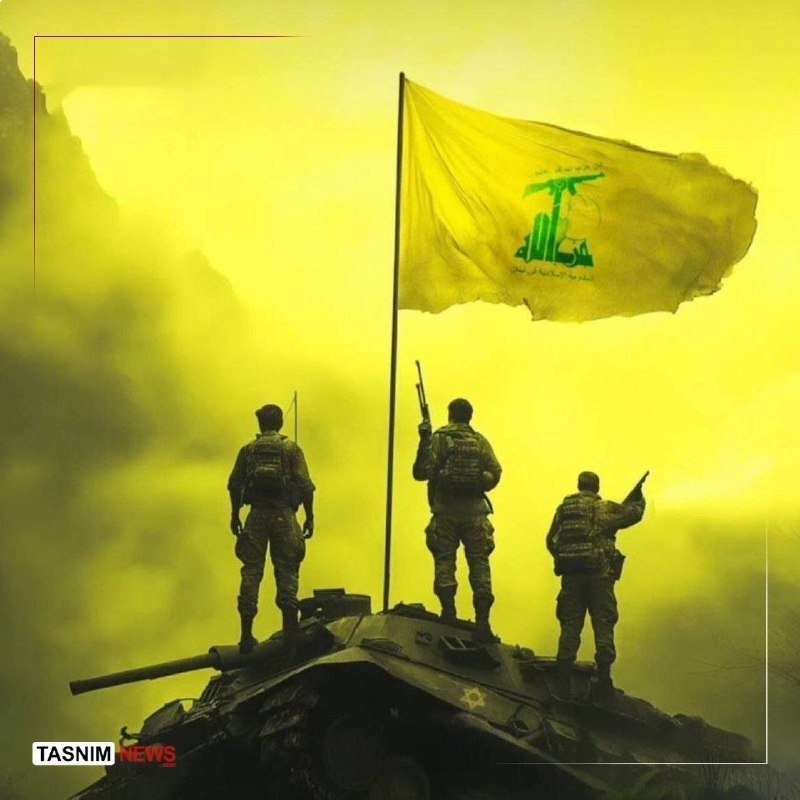
At least ten airstrikes hit the southern Lebanese village of Majdal Zoun in the Tire district during the morning of 10 June 2026, according to Lebanese sources cited by Beirut-aligned outlets al-Alam Arabic and The Cradle. Reporting began at 09:11 UTC with the first strike attributed to "occupation aircraft"; by 10:59 UTC, al-Alam's Lebanese correspondents had counted a tenth strike on the same village. The Cradle, citing its own count from the morning's emergency wires, put the figure at "at least 9" as of 10:38 UTC. The two tallies converge on the same point: this is not a single sortie followed by assessment, but a methodical, repeat-hitting of a single named settlement in the space of roughly two hours.
Monexus has no independent ground reporting from Tire district this morning, and the casualty toll from these strikes is not yet established in the materials available to us. What is established is the cadence, the geography, and the targeting logic it implies.
The pattern is the story
Majdal Zoun sits south of the Litani, in the same belt that has been the focus of near-daily Israeli air activity since the November 2023 ceasefire framework took effect, and which has seen repeated Israeli strikes throughout 2025 and into 2026 on the grounds of dismantling Hezbollah infrastructure. The strikes reported this morning are unusual only in their concentration: ten passes over one village in a 110-minute window is a deliberate, named-place operation rather than the broader "area bombardment" language that often accompanies cross-border exchanges.
That distinction matters. Coverage that flattens all southern Lebanon strikes into an undifferentiated "tension on the border" line obscures the fact that the Israeli air force, on the evidence of this morning's reporting alone, is selecting specific villages and returning to them within the same operational window. Whether that reflects a specific tactical objective in Majdal Zoun, a signalling exercise directed at the wider Tyre hinterland, or a test of Lebanese state and UNIFIL response posture cannot be determined from the public record as of publication.
What the wire does — and doesn't — say
The two outlets carrying the count this morning, al-Alam Arabic (the Arabic service of Iranian state media) and The Cradle (a Beirut-based, Iran-aligned outlet), both frame the strikes in the language of "occupation aircraft" and "the Zionist entity." That vocabulary is ideological, and a reader should treat it as such. But the underlying claims — the location, the number of strikes, the time window — are internally consistent across two independent newsrooms with separate Lebanese stringers, and the geography of Majdal Zoun, a Christian-majority village in the Tyre hinterland, is verifiable. The Western wire services have not, as of the time of writing, posted a confirmed count of this morning's strikes, and that silence is itself worth flagging: the absence of a Reuters or AP line on ten strikes in a single village is not the same as the absence of strikes.
The structural read
A daily tempo of named-village air operations, even at a lower intensity than today's morning, is incompatible with the political vocabulary of "de-escalation" that has accompanied the post-ceasefire diplomacy. Either the operations are calibrated to degrade a specific residual capability in the south — in which case the public framing should be honest about that — or they are functioning as a standing deterrent pressure on Lebanon's reconstruction, displacement patterns, and Beirut's diplomatic bandwidth. Both readings have defenders inside Israel; neither is being argued openly in the coverage this publication has seen.
The asymmetry of the air war in southern Lebanon is not a matter of opinion. One side operates manned aircraft above the Litani; the other side, since the ceasefire, has been formally committed to restraint. When the aircraft flies ten times over one village in a morning, the burden of explanation sits with the side doing the flying, not with the side absorbing the strikes.
What remains uncertain
This publication cannot confirm, from the available sourcing, the casualty count, the specific military targets struck, or whether the operation is connected to a named Hezbollah asset in Majdal Zoun. The Lebanese health ministry has not, in the material available to Monexus at 11:00 UTC, posted consolidated figures. Civilian presence in the village is also not established in our sourcing; the wider Tyre hinterland has experienced displacement and depopulation over the past year, but Majdal Zoun specifically is not characterised in the threads we have read. Until Western wire reporting, UNIFIL statements, or Lebanese official channels close those gaps, the operational facts remain a Beirut-aligned claim — credible, internally consistent, and unverified by independent ground reporting.
Desk note: Monexus treated the morning's count as a Beirut-aligned claim rather than a wire-confirmed event, foregrounded the named village rather than collapsing the strikes into "southern Lebanon," and flagged the source posture of al-Alam and The Cradle without using their framing language in the lead.
Wire provenance
This editorial synthesis draws on the following public wire/social posts:
- https://t.me/alalamarabic
- https://t.me/TheCradleMedia
- https://t.me/thecradlemedia
- https://t.me/alalamarabic