Pochettino bets on chemistry over system as USMNT opens World Cup against Paraguay
With the home World Cup finally here, the USMNT manager is selling cohesion over scheme — and praying a fully-fit Chris Richards is ready to anchor the back line on Friday.
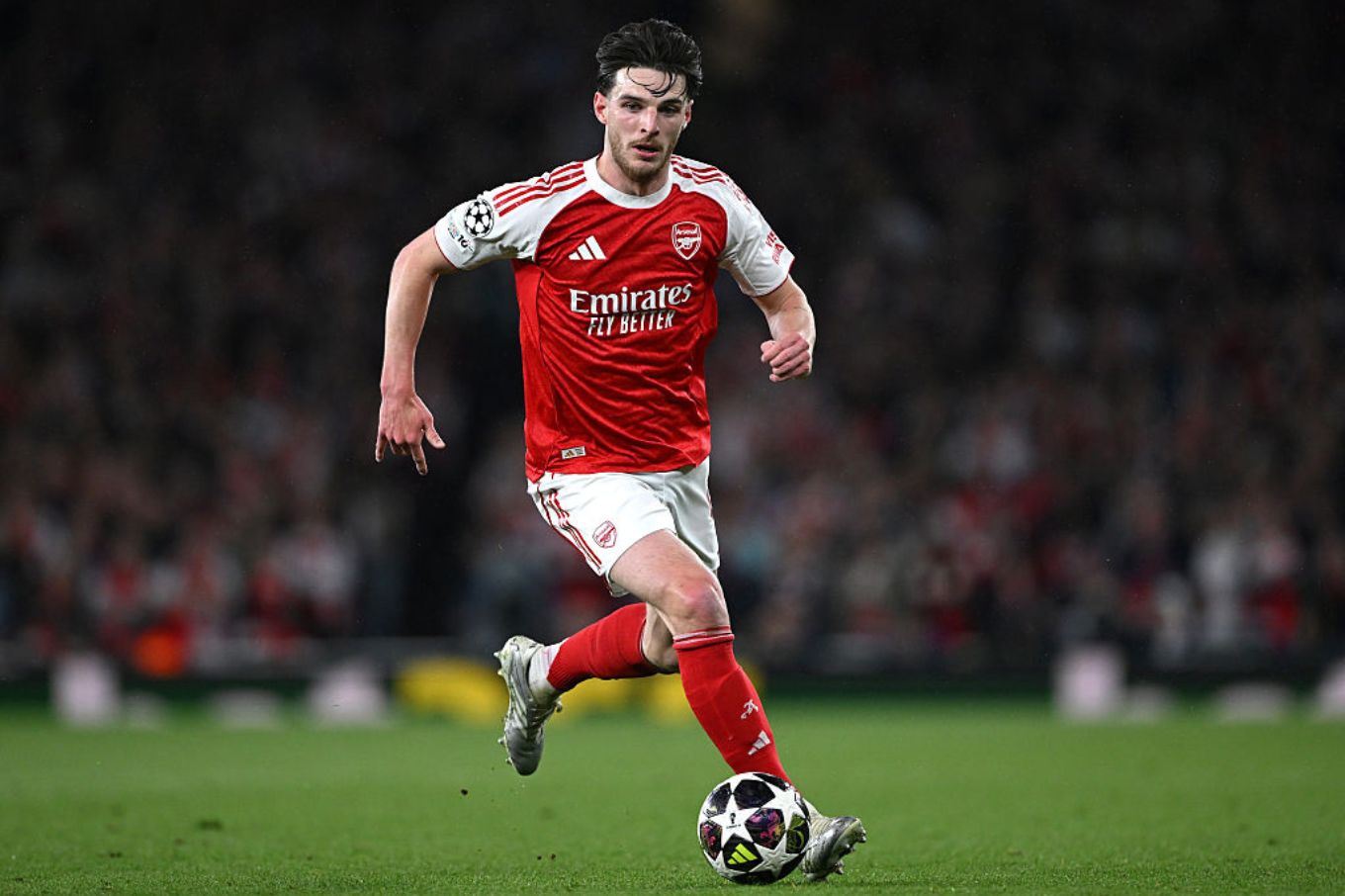
The United States men's national team finally gets the tournament it has spent a decade branding itself around. On 12 June 2026, at SoFi Stadium in Inglewood, California, the USMNT opens its home World Cup against Paraguay, and on 10 June the two questions that have stalked the squad since the draw was made — is the manager's message landing, and is the centre-back fit — both got their first public answers.
Chris Richards, the Crystal Palace defender whose tournament preparations had been complicated by a sprained ankle, told reporters on 10 June that he has progressed to the point where he is "ready" to face Paraguay, according to ESPN. The update matters. Richards is the closest thing the U.S. project has to a top-flight, ball-playing centre-back signed through the spine of an established Premier League defence, and his absence would have forced Mauricio Pochettino into a reshuffle on the eve of a tournament the federation has staked its credibility on hosting successfully.
The Pochettino doctrine: vibes, not blueprints
The more interesting story, though, is what Pochettino has decided to spend his limited pre-tournament airtime saying. Per CBS Sports, the Argentine has spent the build-up preaching that chemistry and team "vibes" will matter more than tactical shape in determining whether the U.S. escapes the group. It is a notably un-Pochettino message from a coach whose reputation was forged on pressing triggers, half-space rotations and obsessive training-ground detail at Tottenham and Paris Saint-Germain.
The framing is deliberate. Hired in September 2024 specifically to deliver a "game-changing showing" on home soil, Pochettino has inherited a squad that, on paper, is the most talented the programme has ever assembled — Tyler Adams, Christian Pulisic, Weston McKennie, Timothy Weah, Folarin Balogun, Antonee Robinson and a defensive corps that now stretches into the Premier League's regular XI. The talent gap that sank the U.S. in 2022 in Qatar, when the team failed to escape the group despite a politically hostile draw, is narrower than it has ever been. Pochettino's wager is that the remaining variable is psychological.
That is either astute or naïve, and the answer will arrive in less than a week.
The counter-read: chemistry is the residue of clear ideas
There is an obvious counter-narrative, and it is the one many European-based USMNT watchers will reach for first. International football at World Cup level is decided by set-pieces, defensive shape, and a manager's capacity to identify and exploit the opponent's weakness inside thirty minutes. "Vibes," in that frame, is what managers talk about when they have not yet decided on a system — or when they want to deflect attention from the absence of one.
The same critique haunted Gregg Berhalter's second cycle. The U.S. reached the round of 16 in Qatar playing a clearly-defined, possession-oriented scheme, but struggled to vary it against opponents who sat deep. Pochettino's squad has the athletes to press and the technicians to keep the ball, but the question of how the U.S. will set up against a low block — the most likely posture for any knockout-stage opponent — has not been publicly answered.
Then again: Pochettino has been in the job less than two years, and the player pool he inherited is still young. Building a shared tactical vocabulary on a fly-in, fly-out international calendar is harder than it looks. If he can get a group of Premier League starters to defend together instinctively, the rest of the scheme may take care of itself.
What Friday actually tests
The Paraguay opener is, on its face, a manageable assignment. La Albirroja qualified through the South American group without star-level recognition outside the continent, and the U.S. will be playing in a stadium it has effectively already booked. But World Cup openers carry their own gravity: the first match settles a dressing room's emotional temperature for the next ten days, and a slow start in front of a home crowd of 70,000-plus will be amplified by a press corps that has been waiting four years to write a specific kind of story.
Richards's availability, if it holds, lets Pochettino start the most Premier League-experienced centre-back pairing available. That decision tells you what the manager actually thinks about risk in Game 1: that defensive reliability, not attacking novelty, is the prerequisite for everything else he is trying to build. A fit Richards, in other words, is not just a body back — it is permission for the manager to keep selling the chemistry line without losing the structural argument underneath.
Stakes, and what we do not yet know
If the U.S. wins the group, the draw softens; if it finishes second, the route to the quarter-finals runs through a likely meeting with a European heavyweight. The economic and reputational stakes for U.S. Soccer, for FIFA's showcase return to North America, and for the league's broader push to make football a top-three U.S. sport by the end of the decade, are real and have been laid out elsewhere. What remains genuinely uncertain, even after the 10 June briefings, is whether Pochettino has settled on his best XI or is still using the Paraguay game to audition. The source material does not specify his starting eleven or his tactical shape; only his public philosophy, and the welcome news that his best defender is fit enough to take the field.
That is enough to begin. The verdict on the chemistry gambit arrives Friday.
— Desk note: Monexus framed the U.S. opener around the tension between Pochettino's stated philosophy (relationships over scheme) and the structural demands of a home World Cup — leaning on ESPN's fitness update and CBS Sports's tactical framing rather than recycling federation talking points.