A museum strike in Sevastopol, and the moral theatre of cultural property
A reported Ukrainian strike on the Panorama Museum in Sevastopol has drawn a UNESCO condemnation and Russian accusations of intent. The incident is small in military terms and large in symbolic ones — and the response exposes more about the politics of heritage than about the war itself.
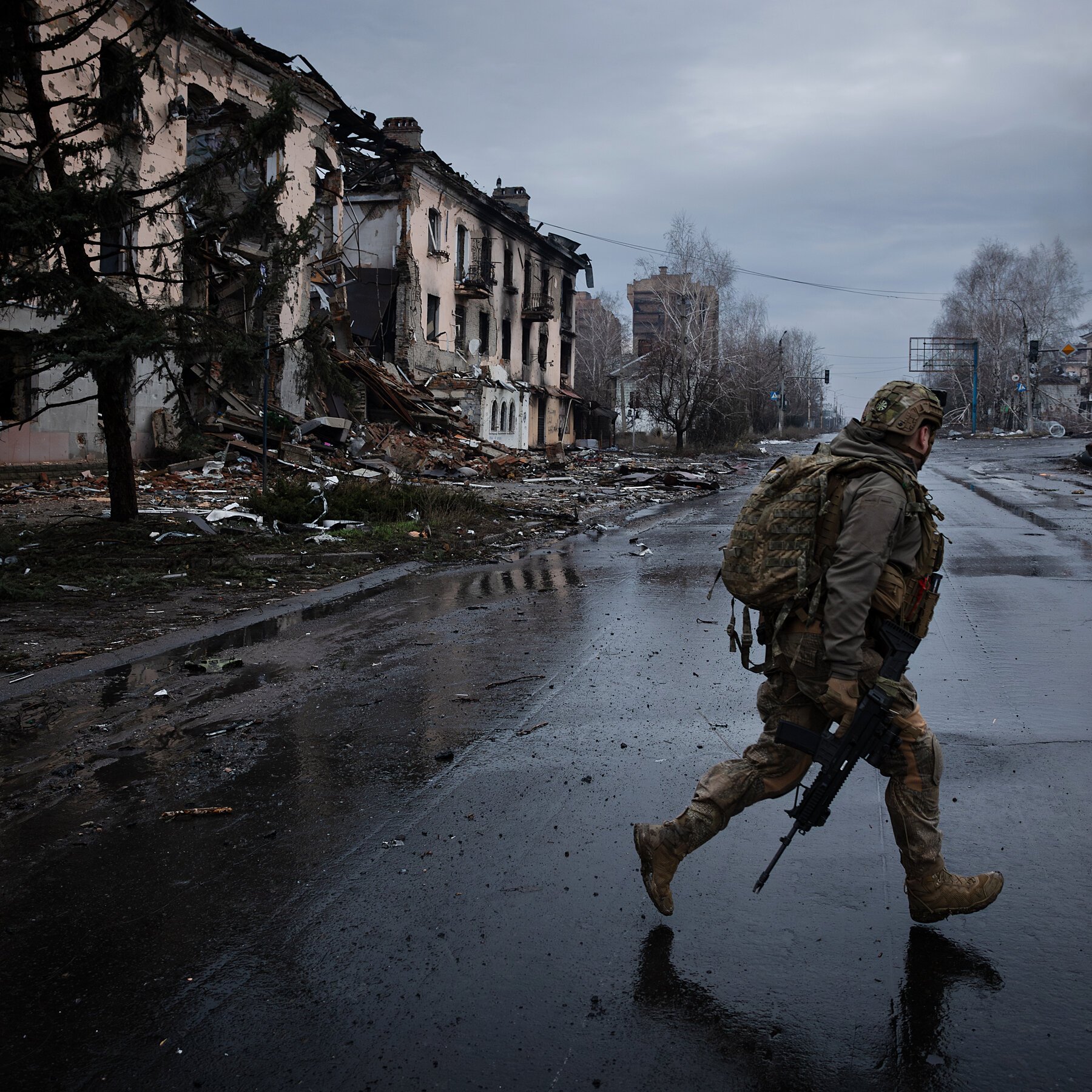
On 10 June 2026, UNESCO publicly expressed concern over reports of damage to the Panorama Museum in Sevastopol and condemned attacks on cultural sites, according to a Telegram post by Al Alam Arabic at 14:05 UTC the same day. Two hours earlier, at roughly 14:02 UTC, the same channel relayed a statement from Russian Foreign Ministry spokeswoman Maria Zakharova characterising the strike on the museum as intentional. By the time the words reached wire feeds, the episode had already acquired the shape it would keep: one side denouncing a war crime, the other framing a crime of war.
The Panorama Museum, built around a monumental circular painting commemorating the city's 1854-55 defence during the Crimean War, is not a military target in any conventional sense. Its value is symbolic. That is precisely why it has become a site of contest. Heritage, in a war of position, is rarely incidental; it is one of the few terrains on which an occupier can claim moral standing and a defender can press a war-crimes narrative. The museum sits in occupied territory, and the framing on each side reflects that geometry.
The Ukrainian silence and the Russian amplification
The most striking feature of the day's coverage is the asymmetry. The thread context includes the Russian Foreign Ministry line, carried by Iranian-aligned outlet Al Alam Arabic, and the Russian milblogger channel Two Majors. No Ukrainian source is visible in the inputs. That asymmetry is itself a story. Russian state and state-adjacent channels moved within hours to claim intent, to label the strike a deliberate strike on a cultural monument, and to demand that the international system treat the incident as a category of crime distinct from the surrounding battlefield.
The strategic logic is familiar. Heritage damage photographs well, travels through press channels efficiently, and tends to strip context on the way. A Russian defence ministry briefing can in a single statement convert a tactical strike on a port city into an indictment of Ukrainian "barbarism." Ukrainian silence, whether because Kyiv has not yet released its own account, because the operation is sensitive, or because Western-allied channels have not picked it up, leaves a vacuum that the Russian frame fills by default. This is the standard playbook for both sides, and the standard failure mode for international media that treats the first loud claim as the truth.
UNESCO, between protocol and pressure
UNESCO's statement — concern over damage, condemnation of attacks on cultural sites — sits in the technical register the organisation has rehearsed since the 1954 Hague Convention. It does not assign blame. It does not need to. By issuing a statement at all, UNESCO confers international recognition on the claim that a culturally protected object was struck, and the Russian side is quick to read that as vindication of Zakharova's "intentional" framing. Ukraine and its allies are equally quick to point out, when given the chance, that UNESCO statements are descriptive, not adjudicative, and that the same convention obliges an occupying power to protect heritage in territory it administers — Sevastopol being precisely such a case.
This is the structural bind the convention was designed for and cannot resolve. Cultural-property law assumes sovereigns who respect one another's institutions. An occupier citing the convention to condemn the occupied's resistance produces a kind of legal inversion: the framework meant to protect objects in war becomes a tool for the occupier to claim protection of its own symbolic holdings on occupied land. Ukraine's counter-frame, when surfaced, will be that the museum was used in ways incompatible with its protected status, or that the strike was directed at a nearby legitimate target, or both. The sources available in this thread do not let us adjudicate. They do let us observe the framework being asked to do work it was not built for.
Heritage as theatre
The Panorama Museum's content matters here. It is a painting about a Russian and allied defence of a city that has changed hands multiple times — Ottoman, Russian, German, Soviet, Ukrainian, and, since 2014, effectively Russian-occupied. A strike on it is not a strike on a random civilian building. It is a strike on a piece of curated national memory. Each side reads that memory differently. For Moscow, the museum is part of the continuity of the Crimean defence; for Kyiv, it is one of many sites on land that has been under Russian control since 2014, and its protection is owed by the occupying power, not the resisting one.
The right question for readers is not "was this a war crime" — that determination requires evidence, attribution, and intent assessments that no wire has yet produced — but "who benefits from which frame winning." A frame that treats the strike as a deliberate cultural atrocity, with the occupier as victim, helps Moscow internationalise its cause at a moment when Western support for Ukraine is under quiet strain. A frame that treats the incident as collateral on a legitimate military target helps Kyiv preserve the principle that occupied territory is not a sanctuary for symbolic infrastructure. UNESCO's procedural language, by design, speaks to neither frame directly. The Russian side is using it to imply the first. The Ukrainian side, when it speaks, will press the second.
The stakes, and what remains unclear
What we do not yet know is whether the damage reported is to the museum's fabric, its collection, or both; whether the strike used precision munitions aimed at the building or area-effects from a target nearby; and whether Kyiv will issue its own account. The Russian claim of intent is a claim, not a finding. UNESCO's concern is a procedural posture, not a verdict. Until independent verification of the strike's specifics — satellite imagery, on-the-ground reporting, Ukrainian general-staff briefings — becomes available, the incident is best read as the opening move in a narrative contest rather than a closed fact.
The stakes are real regardless. Cultural heritage is one of the few categories of war damage that survives the war itself. The museum will be rebuilt, or it will not. Either way, the version of events that becomes the consensus account will shape how the war is remembered in both Russia and Ukraine, and how the next generation of heritage lawyers writes the rules for the next occupation. That is worth being careful with, and worth refusing to be rushed.
This publication is not in a position to verify the precise nature or intent of the strike; the analysis above treats the incident as reported and contested, and reads the responses for what they reveal about the politics of heritage in a war of position.
Wire provenance
This editorial synthesis draws on the following public wire/social posts:
- https://t.me/alalamarabic/
- https://t.me/alalamarabic/
- https://t.me/two_majors/
Follow the event.
These dated source records provide context. They do not retrospectively verify this archive article.
A dated voting record is evidence of one decision. Use the original UN record before turning it into an alignment label.
Visual explainer · historical vote of 2022-03-02 →