Forty-eight teams, one law book: the 2026 World Cup is the most rewritten tournament in modern history
FIFA has expanded to 48 teams and rewritten the rules of the game. The result is a tournament that is, on paper at least, faster, fairer, and far harder to follow.
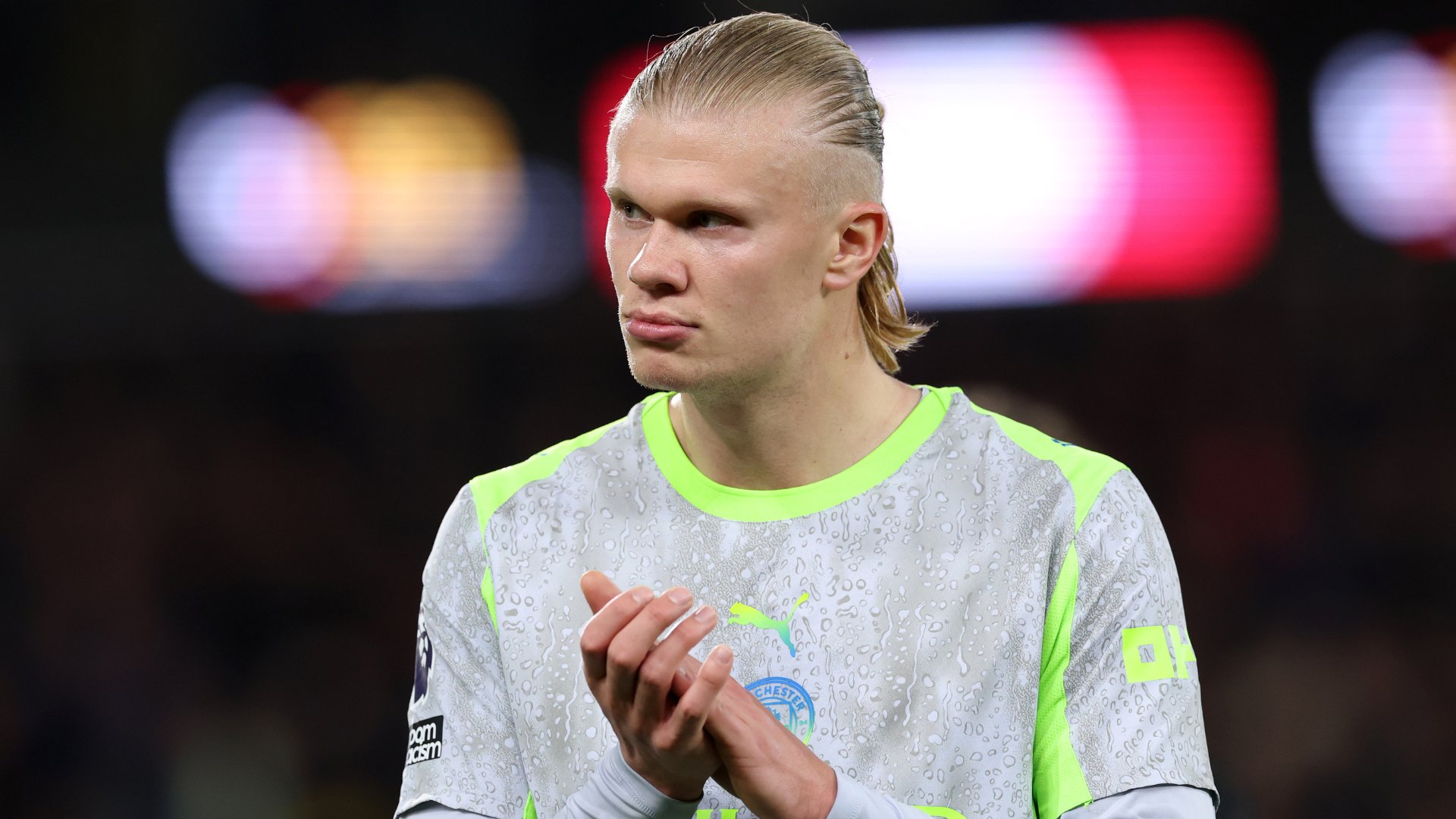
The 2026 FIFA World Cup, which kicks off this month across the United States, Canada and Mexico, will be the largest and most extensively re-regulated edition of the tournament in its 96-year history. Forty-eight national teams will compete, up from 32 in Qatar 2022, and at least eight of the on-field laws written by the International Football Association Board (IFAB) have been changed, clarified or applied more strictly than at any prior finals. The combination, broadcasters and federations warn, will test not only the players but the patience of the global audience.
What is unfolding is more than a sporting event. It is the first mega-tournament built to a new operating manual — one that prioritises tempo, referee authority and broadcast legibility, at a cost in continuity. For viewers in the United States, where the average beer price has climbed 36% since the last World Cup, the math of fandom is changing in parallel with the rules.
A bigger bracket, a louder whistle
CBS Sports published a team-by-team rooting guide on 10 June 2026 to help a now-sprawling field find a fanbase. The headline is structural: with 48 teams entering, the field is roughly 50% larger than the 32-team format that has held since 1998. Group-stage matches rise to 72 from 64, and a round of 32 returns for the first time since 1994, meaning a team that finishes third in its group can still reach the knockout rounds.
That expanded safety net changes incentives throughout the qualifiers. A team that once played a dead-rubber third group match now plays for a place in the round of 32 against another third-placed side. The result is likely to be fewer goalless dead rubbers in the group stage, more rotation of squad players, and — because the margin for finishing third is now meaningful — more late drama.
The rule book, rewritten in real time
BBC Sport's breakdown on 10 June catalogues the law changes most likely to be visible on television. The headline items: video assistant review (VAR) is being applied with a tighter remit, with semi-automated offside checks expected to be standard; time-wasting is being policed more aggressively, including for goalkeepers who hold the ball beyond the prescribed six seconds; and the substitution rules, in place since the 2022 finals but still new to many national federations, allow nine substitutes to be named and a maximum of five used, with one extra change permitted in extra time.
The cumulative effect is to push more decisions into the hands of the video operations room and shorten the natural breaks in play. FIFA has framed the package as a fairness upgrade. Critics, including several former referees quoted in the British press, have argued the opposite: that the in-stadium experience is becoming harder to follow, and that stoppages for offside checks are still running, on average, more than a minute per incident.
A tournament built for the betting era
The commercial architecture has shifted at the same time. CBS Sports' betting guide, refreshed on 9 and 10 June, lists the operators offering markets in every U.S. state where sports betting is legal, alongside the group-by-group odds. The guide is, in effect, a market map: prop bets on first goalscorer, tournament top scorer, and group-stage over/unders are now standard offerings, and live in-play markets are expected to handle the majority of handle during the knockout rounds.
The integration is not incidental. U.S. sportsbook operators have spent more than a decade building product lines around the four major North American leagues, which pause for the tournament. World Cup 2026 will be, for many of those operators, their first end-to-end test of a month-long, multi-time-zone, 48-team live product.
The cost of showing up
Spectators in host cities will be making their own calculations. BBC News reported on 10 June that the average UK pint price has risen 36% since the 2022 World Cup in Qatar — a figure driven by duty changes, energy costs and a tighter hospitality labour market. For travelling fans, the math is compounded: match-day ticket prices on the official FIFA portal have moved with secondary-market demand, and travel costs inside the three host countries have risen in line with hotel pricing in host cities including Dallas, Toronto and Mexico City.
The economic backdrop matters because it sets the floor for who can afford to be in the stands. The tournament's organisers have framed the North American footprint — eleven U.S. venues, three in Mexico, two in Canada — as an accessibility upgrade, with more host cities meaning shorter travel for more supporters. Whether that advantage survives the pricing of food, drink and accommodation on the ground is the open question.
Stakes and open questions
The clearest winners of the 2026 format are the mid-tier federations whose players will, for the first time, reach a World Cup knockout round. The clearest losers are the broadcasters and referees asked to explain a format that no longer fits a four-year mental model. And the most live uncertainty — flagged in the BBC's law-changes piece but unresolved by FIFA's published guidance — is whether the new anti-timewasting measures will be applied identically across the 64 matches in the U.S. footprint, or whether confederation-by-confederation drift will reopen the arguments that have dogged VAR since 2018.
What is no longer in doubt is the scale. Forty-eight teams. A round of 32. Five substitutes, plus one in extra time. And a tournament whose rule book is being re-read, mid-flight, by every match official involved.
— Monexus framed this as a story about tournament architecture, not a roster preview. The wire coverage is dominated by team-by-team previews; the durable news is in the rule book and the bracket.