The 2026 World Cup, scaled up: six gripes, one continental bet, and a VAR system under fresh scrutiny
With kickoff weeks away, the first 48-team World Cup faces familiar doubts about heat, travel, and cost — and a referee-review system that is being relitigated before a ball is kicked.
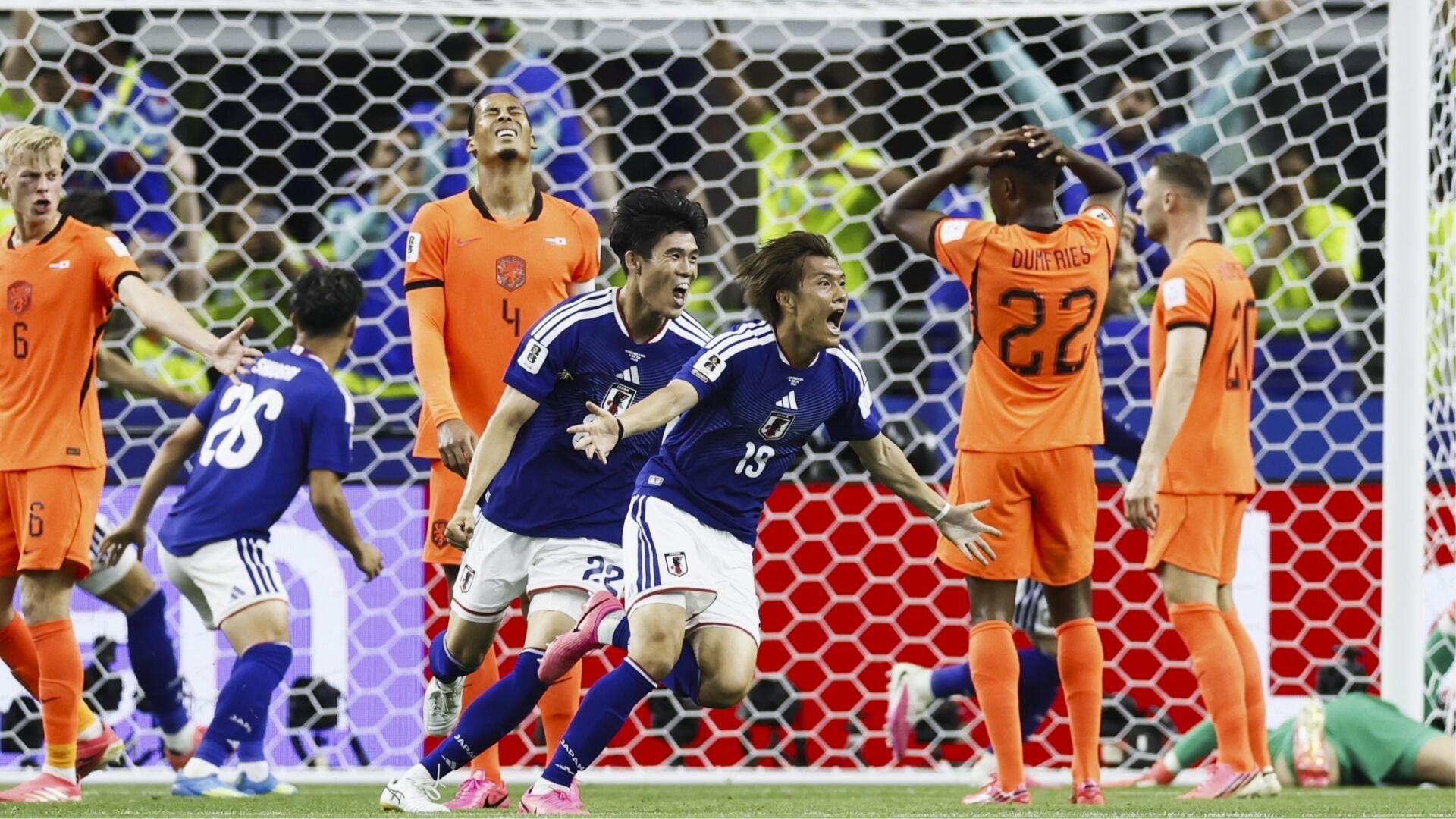
The 2026 FIFA World Cup begins on 11 June across the United States, Canada and Mexico, and the most striking thing about the build-up is not the stadiums, the marketing spend, or the celebrity noise — it is the bracket. The tournament expands from 32 to 48 national teams, the match count rises from 64 to 104, and the geography of the competition stretches from Mexico City to Vancouver, Toronto to Miami. FIFA is calling it the largest sporting event ever staged. The doubts that come with that scale are not new. They are, however, louder than they have been at any World Cup in living memory.
This publication takes the complaints seriously — but it also takes the counter-case seriously. The 2026 tournament is an experiment in logistical, financial and sporting scale, and it deserves to be judged on the evidence of what works and what does not once play begins, not on the familiar reflex that anything bigger must be worse.
The six complaints that travel furthest
ESPN's Gab Marcotti, in a piece published on 11 June 2026, lays out the recurring concerns. Six appear in nearly every critical preview, and each has a structural answer rather than a slogan answer.
Heat. June and July in the southern United States carry genuine heat-load risk. The opening fixtures in the region will test acclimatised Northern-hemisphere players against conditions they have rarely encountered in competitive play. Training schedules, hydration breaks and evening kick-offs are the obvious mitigations; the less obvious one is that several host venues are indoor or roofed stadiums, which compresses the problem geographically rather than eliminating it.
Travel. A 48-team field means a group stage that funnels through more host cities than ever. Marcotti flags the burden on teams that finish second or third in their groups and then have to fly to a knockout venue several time zones away. The structural point is sound. A continental tournament is, by construction, a tournament of distance.
Cost. Tickets, accommodation, and inter-city logistics are running ahead of inflation in headline terms. FIFA and the host federations have pointed to a wider distribution of lower-tier seats; critics counter that the headline hospitality packages dominate the conversation. Both are true; the question is the median price a working fan actually pays.
Pitch quality. Several host venues operate dual-purpose configurations that will require surface changes. The risk is not the standard of the grass but the variance — different surfaces, different bounce, different studs, over a five-week window. The referees, not the groundskeepers, will absorb the resulting complaints.
Security and policing. Three federal governments, eleven host cities, dozens of national delegations. Co-ordination is the operative word. Past continental tournaments have shown that security planning absorbs an outsized share of the operational budget and the political oxygen.
Format confusion. A 48-team tournament with 12 groups of four means eight of the best third-placed sides advance. The math is straightforward once explained; the public-relations challenge is that casual viewers do not arrive with a mental model for it. FIFA's task is to teach the format as much as to stage it.
Why it still works
Marcotti's piece, read in full, is not a demolition. It is a stress test. The counter-argument runs in three directions.
First, scale is the point. The 2026 tournament is the first time a World Cup has reflected the full FIFA membership in a way that makes regional federations feel they belong on the same stage. CONCACAF's three hosts and the eight additional slots for non-UEFA confederations are not charity; they are the political price of the format.
Second, the operational record of the United States as a host is strong. The 1994 World Cup set attendance records that have not been approached since. The 1999 women's tournament, the 2003 women's tournament relocated from China, and the Copa América Centenario in 2016 all delivered on logistics, even when they under-delivered on romance. FIFA knows what it is buying with the U.S. infrastructure.
Third, the revenue model does not depend on the tournament being a perfect aesthetic object. It depends on consistent delivery across 104 matches in eleven cities across three countries. The risk FIFA is pricing is the risk of operational failure, not the risk of grumbling columnists.
The VAR question, relitigated
Separate from the macro-debate, a specific rule question is doing the rounds. CBS Sports, in a primer published on 11 June 2026, walks through the workings of the Video Assistant Referee (VAR) system as it will operate at the 2026 tournament, and confirms the core architecture: a multi-camera review in a centralised hub, on-field referees retaining final authority, and an explicit commitment to intervening only for clear and obvious errors in goal, penalty, red card and mistaken-identity situations.
The honest framing of VAR is that the system has worked, and that it has not been loved. The 2018 introduction in Russia was followed by successive refinements — semi-automated offside, the 2022 in-Qatar review sequence that ran from a stadium booth, and the gradual professionalisation of the video assistant as a refereeing role rather than a piece of equipment. The friction comes from delay, from communication, and from the gap between the standard of proof that television viewers expect and the standard the on-field referee is permitted to apply.
The 2026 test is whether the system can deliver decisions quickly enough that the match as a broadcast product does not lose its tempo. The technical answer is yes, in most cases. The cultural answer is unsettled. Supporters tolerate a 90-second review for a wrong offside. They do not tolerate a 90-second review for a marginal handball that the referee would, in any case, have waved away.
What the sources leave unresolved
Two questions are not answered by the previews. First, the broadcast schedule — kick-off windows across three time zones have not been finalised in the coverage made available before publication, and the late-evening slots in the eastern venues will be the operationally tight ones. Second, the political question of how three federal governments coordinate on everything from customs to cannabis policy at the stadium gate has been raised without a settled answer.
There is also a third, quieter uncertainty. A 48-team tournament is, in effect, two tournaments — a 32-team World Cup plus a play-in round for the additional 16. The matches that determine which teams fall into the play-in tier will be more interesting than they are usually given credit for. They will also be less covered, because the broadcast economy concentrates on the marquee fixtures.
The base rate for these doubts is the same as for every World Cup since 1998: complaints louder in May, quieter in July, and mostly vindicated or mostly answered by the second week. The 2026 edition is bigger, hotter, and more logistically complex than any of them. It is also the one FIFA has spent the longest preparing. The matches will settle the rest.
Desk note: Monexus framed the six-complaints piece as a stress test rather than a referendum, and treated VAR as a live operational question rather than a culture-war one — a closer read of the rule changes than the previews usually deliver.