The 2026 World Cup kicks off — and the complaints start on day one
The tournament begins with 72 group-stage games across three host nations, a redesigned pre-match walkout, and a stack of pre-tournament concerns — from heat and travel to commercial overload — that FIFA has not yet put to bed.
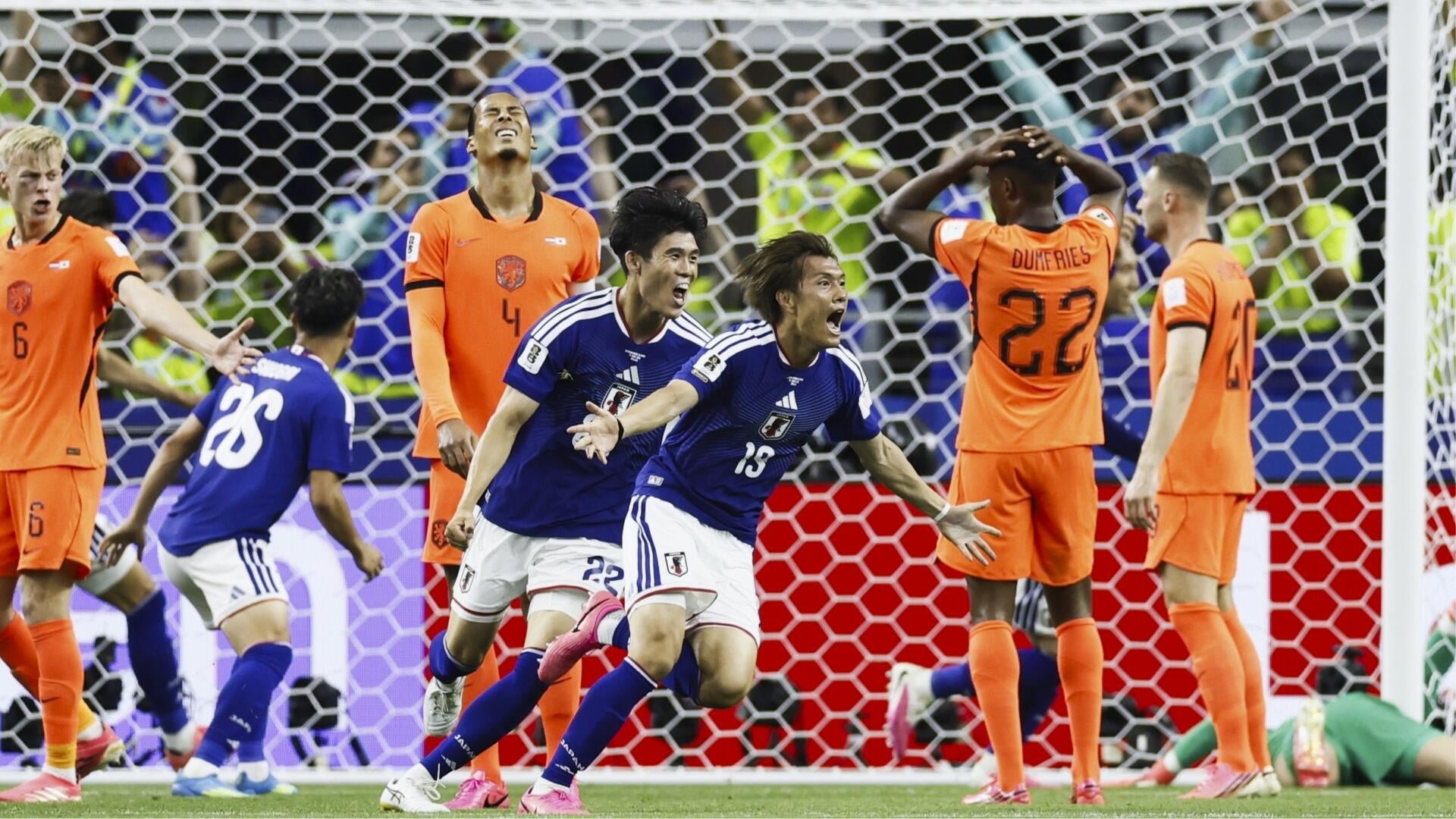
The 2026 FIFA World Cup begins in earnest on 11 June 2026, and the choreography of the opening day is already doing its job. The tournament's redesigned pre-match walkout — oversized national flags, the full squad arranged around the centre circle — is a piece of theatre designed to be seen as much as heard, and FIFA's own channels wasted no time broadcasting it. In a separate dispatch, FIFA confirmed that 72 group-stage matches will be played across 13 days before the knockout rounds begin, a compression of the calendar that gives the group phase a relentless, almost league-like rhythm.
The question hanging over the opening week is not whether the football will arrive — it will — but whether the tournament's structural complaints can be answered inside the next month. The most-read previews this week have catalogued the concerns: heat, travel, fixture congestion, the scale of the commercial operation, and the political weight of staging the event across three North American hosts. The organising committee's argument is that the very things being complained about are what make this World Cup the largest and most lucrative in the sport's history.
A walkout designed for the camera
The new walkout is the most visible change. Players no longer file in behind a single captain holding a pennant; they walk out together, framed by the stadium's giant screens and two oversized national flags that drop from the upper tier. It is a small piece of choreography, but it changes the optics of the moment — the team, not the individual, is the unit the broadcast cuts to. FIFA and the major sports outlets pushed the imagery in tandem on 11 June, a coordinated push suggesting the walkout is intended as the tournament's signature visual moment and will be replicated at every match.
The decision is also a commercial one. The expanded 48-team field means more flags, more anthems, and more opening frames, which means more inventory for the rights-holders selling pre-match slots. FIFA's broadcast operation has spent the last two World Cup cycles turning the twenty minutes before kick-off into a self-contained advertising environment; the new walkout extends that runway.
72 games in 13 days — what the schedule actually looks like
FIFA's own scheduling note on 11 June listed 72 group-stage fixtures to be completed across 13 days. The arithmetic is unforgiving: the average group-stage matchday now runs to roughly five or six games, and the rest-day gaps between rounds are short by historical standards. For the broadcast partners the math works — there is football on television every day from now until the knockout bracket is set. For the players, the load is heavier, and the medical and conditioning staffs of the bigger federations have been quietly preparing for it for two years.
The geography compounds the schedule pressure. Stadiums are spread across the United States, Mexico and Canada, with some venues separated by four- to five-hour flights. Even a group-stage campaign that looks manageable on paper can become a travel problem if a team finishes second in its group and is suddenly redirected to a knockout venue in a different time zone. FIFA has insisted the logistics have been planned around this, but the rehearsal is the tournament itself.
The complaints file — and FIFA's answer
The pre-tournament worry list, in the version compiled by ESPN senior writer Gab Marcotti on 11 June, runs to six categories: player welfare and fixture congestion, heat and altitude across host venues, the cost of attendance for travelling fans, the scale of the host-city infrastructure burden, security and migration policy at U.S. border crossings, and the ever-present sense that the World Cup has become a vehicle for FIFA's commercial partners as much as a sporting event. The piece frames each concern against the argument that the tournament will still work — that the previous complaints about expanded fields and multi-host formats have all been answered, eventually, on the pitch.
FIFA's structural answer to the same set of concerns is consistent: scale absorbs friction. A 48-team field is harder to organise than a 32-team field, but it is also more lucrative per match. Host cities that complain about stadium operating costs are also the cities bidding for the next round of international fixtures. Player welfare concerns are real, but the federations that win the World Cup do not, historically, complain about how many games they had to play to lift it.
What remains unresolved on day one
The unresolved pieces are not the marketing-friendly ones. The political weight of staging matches in U.S. cities where federal immigration enforcement has been a flashpoint is real, and the organising committee has not published a coherent fan-travel protocol for non-U.S. supporters. The heat question is partly answered by kick-off times and partly by weather luck; June matches in Mexico City and the U.S. South have historically been survivable, but survivable is not the same as safe, and the data on the worst-case fixtures is still being collected.
What the next two weeks will actually test is whether the tournament's commercial and political scaffolding can hold while the football does what the football does. The walkout will be filmed, the schedule will be played, the complaints file will continue to grow — and somewhere in the middle of all that, a team will lift the trophy on 19 July, and FIFA will declare the format vindicated. That is the deal on offer. The next month is whether the public buys it.
This publication covered the opening fixtures as scheduled, the pre-match walkout as broadcast, and the pre-tournament critique as filed. The contest between FIFA's preferred framing and Marcotti's complaint ledger will be settled on the pitch and at the turnstiles, not in the press releases.
Wire provenance
This editorial synthesis draws on the following public wire/social posts:
- https://t.me/FIFAcom
- https://t.me/TheAthletic
- https://t.me/FIFAcom
- https://t.me/TheAthletic
- https://t.me/FIFAcom
- https://t.me/TheAthletic