Hormuz in the crossfire: a closure that isn’t a closure, and the war of words that could become a war of ships
Two combatant commands are narrating the same stretch of water to different audiences, and the gap between those narratives is now the story. Until independent commercial tracking confirms otherwise, Hormuz is a closure that isn't one.
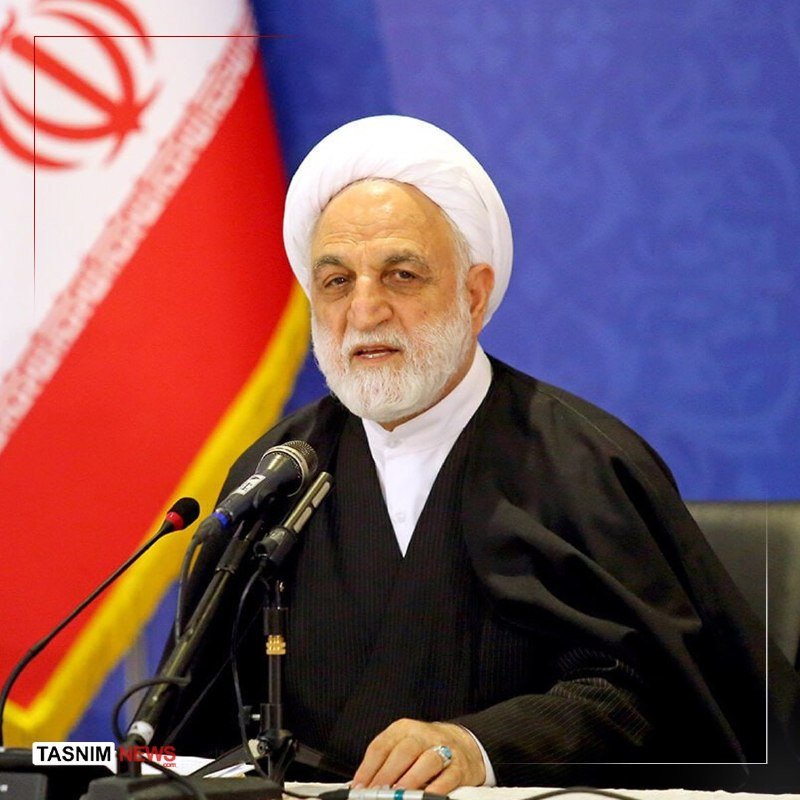
On 11 June 2026, two combatant commands began narrating the same stretch of water to different audiences, and the gap between those narratives is now the story. Iran's IRGC-linked outlets claimed the Strait of Hormuz had been effectively shut to commercial traffic. Within hours, US Central Command publicly rebutted the claim and insisted the waterway remained open and patrolled. By the close of the European trading day, no major commercial-tracking service had independently confirmed a sustained physical closure.
That silence is the point. When the world's most consequential oil chokepoint becomes a contest of declarations rather than a confirmed physical event, the honest framing is not "closure or no closure" but a slower, less comfortable question: which audience is each side optimising for, and what does it take to move the story from rhetoric into verified tonnage?
The Iranian messaging machine had been telegraphing escalation for at least 48 hours before the 11 June exchanges. On 13 June, an ultra-conservative Iranian MP, Amirhossein Sabeti, announced he would register an impeachment motion against Foreign Minister Abbas Araghchi over the foreign minister's televised remarks on the nuclear track. A separate pro-principlist sign appeared in Persian criticising the public silence of the supreme leader, Ayatollah Seyed Mojtaba Khamenei, on the negotiations, reading in part: "Even for a plane tree ..." The two artefacts belong to the same political weather system: a leadership under domestic pressure to project resolve, with the Strait of Hormuz available as the cheapest stage on which to do it.
The American counter-frame
The US response was calibrated for a different audience. A senior US official told Fox News that Washington believes it has reached a "very good and strong agreement" with Tehran, language designed for markets and Gulf partners as much as for Tehran. The CENTCOM rebuttal on the strait was structured to do two things at once: deny the physical fact of a closure, and pre-empt any risk premium being baked into Brent. The sequencing matters. A denial without an accompanying diplomatic sugar-coating reads as escalation; a denial paired with "we're close to a deal" reads as the kind of noise one expects at the finish line of a negotiation.
The harder question is whether either side has the operational capacity to make the rhetoric stick. Iran has, on prior occasions, harassed commercial shipping in the strait and seized tankers. It has not, in recent memory, sustained a closure that the world's commercial fleet could not route around. The United States has the surveillance and the allied naval presence to make any physical blockade attempt costly. The contest, in other words, is partly about signalling, and signalling is what each side has more of than the other.
What the record shows, and what it doesn't
The most important data point is the one missing. Reuters, Bloomberg, Lloyd's List and the major commercial trackers have not, on the public record available on 11 June, confirmed a sustained drop in westbound Hormuz transits. AIS shadow fleets and spoofed transponders complicate the picture, as they have for years. But a genuine, multi-day closure would surface quickly in insurance war-risk premiums, in voyage reroutings around the Cape of Good Hope, and in Saudi and Iraqi pipeline loading notices. None of those indicators had, by the end of the European day, moved in the way a real closure would move them.
That does not make the Iranian claim a bluff. It makes it a conditional. Tehran is communicating to three audiences at once: a domestic one that wants visible toughness, a regional one that wants to remind Gulf neighbours of Iranian leverage, and a US negotiating team whose cost-of-deal calculus is shaped by how much chaos Iran can credibly threaten. A closure that is announced rather than enforced is, in that calculus, almost the ideal instrument. It costs little. It cannot easily be disproved in real time. And it can be dialled up or down without crossing the threshold that would trigger a US military response.
The war of words, and the war of ships
The language is itself part of the arsenal. "Closure" is a word that triggers automatic sanctions clauses in several oil-supply contracts and triggers automatic reroutings in tanker scheduling software. Saying the strait is closed, even without enforcing it, forces counterparties to act as if it were. The US response, by insisting on the word "open," is doing the symmetric work: trying to prevent the word "closed" from acquiring a self-fulfilling operational meaning.
This is the register in which the next several days should be read. Watch the war-risk premia quoted in Lloyd's and the International Underwriting Association. Watch whether Saudi Arabia's East-West pipeline quietly increases loadings. Watch whether Iran's own crude exports continue to flow through the strait, since any sustained physical blockade would interrupt Iranian exports as cleanly as anyone else's. The ship that fails to transit, or the loading slot that goes unsold, is the verification that no press conference can deliver.
Until that verification arrives, the responsible framing is the one the desk has held since the story broke: two combatant commands are narrating the same water to different audiences, and the lag in independent commercial-traffic confirmation is itself the signal. The strait is not closed in any verifiable sense as of 11 June. It is also not, by any stretch, calm. The distance between those two statements is where the next 72 hours will be negotiated, in words first, and only later, if at all, in ships.
Sources
- Fars News International (Telegram), 13 June 2026: https://t.me/s/Middle_East_Spectator
- World News wire feed, 13 June 2026: https://t.me/s/cointelegraph
- War and Foreign Witness (Telegram), 13 June 2026: https://t.me/s/wfwitness
- Two Majors (Telegram), 13 June 2026: https://t.me/s/two_majors
- BRICS News (Telegram), 13 June 2026: https://t.me/s/BRICSNews
- Clash Report (Telegram), 13 June 2026: https://t.me/s/ClashReport
- Russian intelligence aggregator (Telegram), 13 June 2026: https://t.me/s/rnintel
Desk note
Monexus frames the Hormuz episode as a contest of declarations rather than as a confirmed physical closure; the dominant wire read treats the US rebuttal as decisive, but the lag in independent commercial-traffic verification is itself the story.
Follow the event.
These dated source records provide context. They do not retrospectively verify this archive article.
Separate what the nuclear watchdog reported from what it could not determine after the June 2025 strikes.