Iran comes under fire: what we know — and what we don't — about the Sirik and Bushehr strikes
Multiple Telegram channels reported explosions and air-defence activity across southern Iran in the early hours of 11 June 2026. The picture on the ground is still forming.
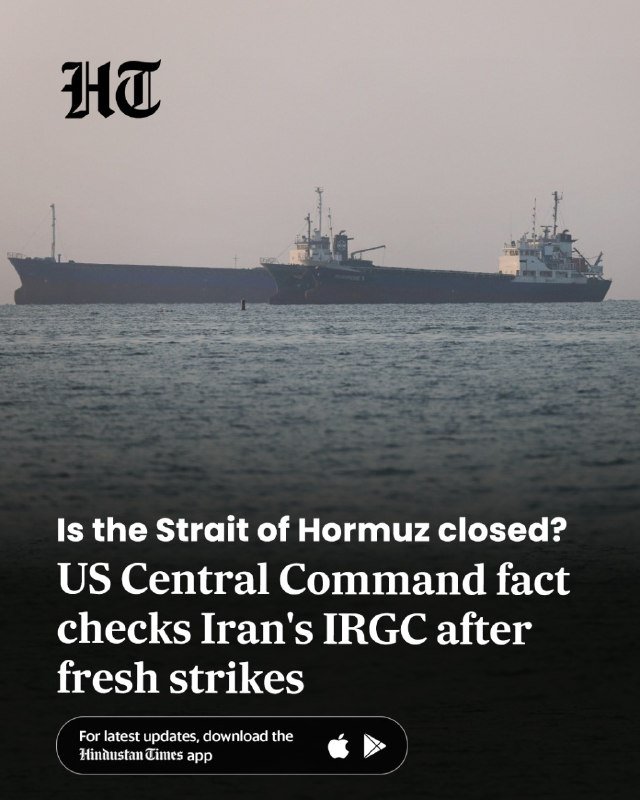
In the span of roughly forty minutes before 01:00 UTC on 11 June 2026, four open-source intelligence channels on Telegram logged activity across the same stretch of Iran's southern coast: air-defence engagement over the Gulf city of Bushehr, and at least one explosion — later described as two — near the smaller port town of Sirik in Hormozgan Province. The pattern, reported independently by AMK Mapping, GeoPWatch, War and Frontline Witnesses, and BellumActa News, is consistent with a single coordinated action rather than a pair of unrelated incidents. What that action is, and who is responsible, is the open question the early-morning reporting has not yet answered.
The framing that matters now is not whether something happened — the Telegram cluster is too dense to dismiss — but how the rest of the news system chooses to describe it. Iranian state media is silent in the thread; the channels posting the footage are Western-aligned OSINT feeds; the United States has not been named on the record. The default Western wire read will likely be either "Iran reports incident" or "US strikes Iran," and both are premature by several hours.
What the four channels actually showed
The first items to surface, between 00:20 UTC and 00:49 UTC, were geolocated posts from AMK Mapping and GeoPWatch flagging air-defence activity over the coastal city of Bushehr, the site of Iran's only operating commercial nuclear power plant. War and Frontline Witnesses and BellumActa News carried the same report within the same minute. Bushehr is roughly 280 kilometres west of Sirik along the Persian Gulf coast — close enough that a single strike package could plausibly engage targets in both locations within a single sortie.
GeoPWatch's later post, timestamped 01:03 UTC, escalated the picture: at least one explosion in Sirik, southern Iran. A follow-up item in the same channel placed the count at two explosions. None of the four channels posted imagery of an impact crater, interceptor debris, or a target designation; the framing across the cluster is "activity reported," not "strike confirmed." That distinction is editorial, not semantic: in a region that has spent two decades oscillating between accusation and denial over incidents on Iranian soil, the difference between "something happened" and "Israel/the US did something" is the difference between a wire story and a war.
The plausible reads, in order of fit
The first reading is a US-Israeli strike on Iranian military infrastructure near the Gulf coast. Sirik sits in Hormozgan, the province that hosts the IRGC Navy's main operational node at Bandar Abbas, and the timing — just after midnight local time — is consistent with the operational pattern used in the 2025 strikes on nuclear-related facilities. Bushehr's air-defence activity, in this read, is a coastal-defence response to inbound aircraft that had already struck the primary target further east.
The second reading is a US-only action, with the Bushehr activity reflecting a coincident Iranian drill or radar lock-on that has not been corroborated as connected. The third is an internal Iranian incident — an industrial accident, a test, an air-defence malfunction — that has been geolocated and re-circulated with an American flag attached. The fourth is a covert action that no government will confirm. None of the four reads can be ruled out by the source material currently in circulation; the Telegram cluster establishes the surface facts and nothing more.
Why the framing is the story
The dominant Western wire framing of any strike on Iran is to lead with the American or Israeli justification — nuclear rollback, missile programme, regional deterrence — and to defer to official spokespeople in Washington and Tel Aviv for the narrative spine. Coverage routinely anchors in the language of the Pentagon or the IDF and treats the Iranian account as a competing claim to be balanced, not as a primary read. That is a legitimate way to cover an event, but it is not the only way, and the first hours of an incident are exactly when the framing has the most leverage over what readers will believe by the time the facts settle.
The Iranian counter-position, when it arrives, will almost certainly frame any strike as an act of war on a sovereign state, and will point to Bushehr's nuclear plant as a deliberate or reckless provocation. That position is structurally serious: a strike within range of a civilian nuclear facility is a qualitatively different event from a strike on a weapons site, regardless of intent. The reporting that omits this — that treats the Iranian framing as colour rather than as the equally weighted structural argument it is — produces a coverage record that is comprehensive and yet lopsided.
What is still unknown, and what would resolve it
The thread does not specify casualties, target identification, the number of aircraft involved, or attribution. It does not name the type of munition, the direction of approach, or the radar signature that triggered the air-defence activity over Bushehr. Any of those would tighten the picture: a US Central Command statement naming an operation, satellite imagery of a crater near Sirik, an IAEA comment on Bushehr, an Israeli readout, an Iranian state-media briefing. None of these has appeared in the cluster as of 01:03 UTC.
What Monexus finds is that the surface facts are well-evidenced and the underlying story is not. In the next twelve hours, the editorial choice facing every desk covering this is whether to lead with the incident or the attribution. The right answer, for the first cycle, is the incident — and to hold the attribution as an open variable until the wire catches up to the OSINT feed.
Desk note: Monexus is leading on the verified activity reported across the southern Iran coast and is holding attribution as an open variable pending primary-source confirmation. We will update the wire on this cluster as named official statements emerge.
Wire provenance
This editorial synthesis draws on the following public wire/social posts:
- https://t.me/GeoPWatch
- https://t.me/wfwitness
- https://t.me/GeoPWatch
- https://t.me/BellumActaNews
- https://t.me/AMK_Mapping
- https://t.me/GeoPWatch
Follow the event.
These dated source records provide context. They do not retrospectively verify this archive article.
Separate what the nuclear watchdog reported from what it could not determine after the June 2025 strikes.