Two Indian sailors killed, a third survives: what the MT Jalveer attack off Oman tells us about maritime risk in a tightening Gulf
An attack on the tanker MT Jalveer off Oman killed two Indian crew members and left a third missing, exposing the human cost of an increasingly crowded and combustible sea lane.
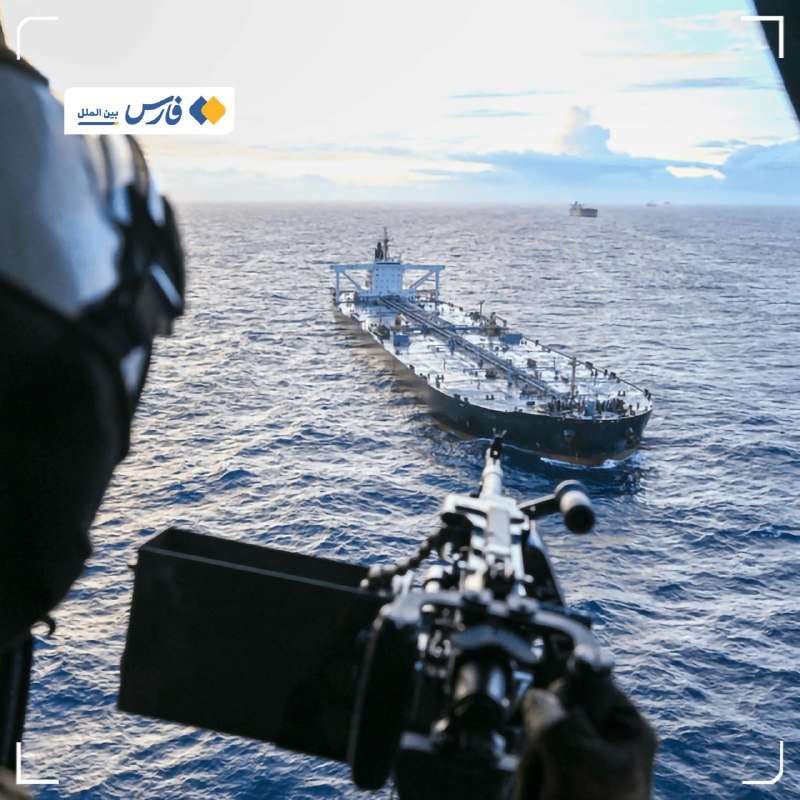
Two Indian sailors who went missing after an attack on a tanker off the coast of Oman on 11 June 2026 have been confirmed dead, according to reporting carried by The Indian Express at 06:52 UTC. The vessel, identified as the MT Jalveer, came under attack in waters that have become one of the most strategically congested stretches of ocean on earth, and the deaths make the human cost of that congestion measurable in a way that tonnage figures and insurance premiums rarely are.
The story is small in shipping terms — a single product tanker, a handful of crew — and large in the pattern it sits inside. Indian seafarers crew a significant share of the world's merchant fleet; Oman's coast sits astride the Strait of Hormuz, through which a meaningful portion of seaborne oil moves on any given day. When a vessel is struck off Omani waters and Indian nationals are among the dead, the incident pulls in New Delhi, the Gulf sultanate, the United States, and whichever regional actor is willing to claim the strike. The MT Jalveer episode, as reported in the wires this morning, pulls in all four.
What the wires say, and what they don't
The Indian Express's 06:52 UTC bulletin is unambiguous on the outcome: two Indian sailors, missing after an attack on the tanker off the Omani coast, have been killed. The brief does not name the attacker, the weapon used, or the cargo on board. The companion Telegram item from the wfwitness feed at 06:53 UTC frames the same incident as the MT Jalveer coming "under attack off the coast of Oman" with Indian sailors reported aboard, and it circulates an Indian-flag emoji in its header, signalling a New Delhi–centred lens on the event.
What the two items do not yet establish is equally important. The sources do not identify the party responsible, do not specify whether the vessel was struck by a missile, a drone, an explosive boat, or boarding action, and do not give a current count of the remaining crew. The reporting window, in other words, is the first hour of a story that will likely run for weeks. Readers should treat the headline outcome — two Indian dead, at least one sailor previously missing — as confirmed, and the attribution as open.
The Gulf of Oman is no longer a transit lane, it is a frontier
The geography matters. The Gulf of Oman connects the Persian Gulf to the Arabian Sea, and through it, the Strait of Hormuz. A strike on a tanker in these waters does not have to be aimed at a particular flag to be a strategic event: the shipping and insurance markets reprice risk for every hull in the vicinity, and the naval forces of multiple states recalculate their posture. Indian-flagged vessels are a particular flashpoint because Indian crews are everywhere in the world's tanker fleet, and New Delhi's diplomatic and consular machinery has built-in reasons to treat any attack on its nationals as a matter of state, not just shipping.
Two Indian sailors, who went missing after US attack on tanker off Oman coast, killed via The Indian Express — that is the framing the wfwitness feed is putting into circulation in the same hour. The phrase "US attack" is a framing, not a confirmed attribution; it is how the post is reading the available reporting, and it is the version that will travel fastest into non-Western timelines and non-English-language press. The Indian Express's own headline is more cautious, naming only the attack and the dead. Readers should hold the two apart.
What the structural pattern looks like from here
Incidents of this kind are no longer one-offs. The Houthi campaign in the Red Sea, Iran's seizures of tankers in 2024, the shadow-fleet sanctions architecture, and the steady US naval presence in the Gulf have together turned a commercial sea lane into a militarised one. Insurance war-risk premiums spike and decay; tanker operators re-route or accept the surcharge; and the crews, overwhelmingly South Asian, absorb the physical risk while the strategic argument is made in capitals. Two Indian seafarers killed off Oman on 11 June 2026 are the most recent line in that ledger.
The Indian state has built a small but real apparatus for responding to attacks on its sailors — naval deployments in the Gulf, evacuation protocols, post-incident diplomacy. Whether that apparatus is calibrated to a world in which its nationals are repeatedly caught in the crossfire of someone else's escalation is the harder question, and it is the one the MT Jalveer incident will quietly push to the front of the queue in New Delhi.
What remains uncertain
The two reports do not yet agree on a cause, and they do not name the attacker with a single agreed source. The Indian Express gives the outcome — two Indian dead — and the geography, Oman. The wfwitness Telegram post adds the vessel name, the MT Jalveer, and the framing of a US strike. Until a flag-state statement, a naval investigation, or an insurance-led inquiry produces a corroborated account, the attribution is contested. Monexus will update this piece as the record firms up; for now, the confirmed fact is two dead, the speculative frame is who fired, and the structural story is a sea lane that no longer behaves like one.
Desk note: the wire this morning carries the deaths as confirmed by The Indian Express and the vessel identity from the wfwitness feed. Monexus has kept the attribution line open rather than adopt either framing wholesale, and will fold in the first named-source account — from New Delhi, Muscat, or a US Central Command briefing — when it surfaces.