NYT visual analysis raises 'war crime' question over US strike on Iranian water infrastructure
A New York Times visual analysis says available evidence points to the US strike on drinking-water reservoirs in Sirik, Hormozgan, as a potential war crime. Tehran's foreign ministry calls it 'the peak of moral decay' in US governance.
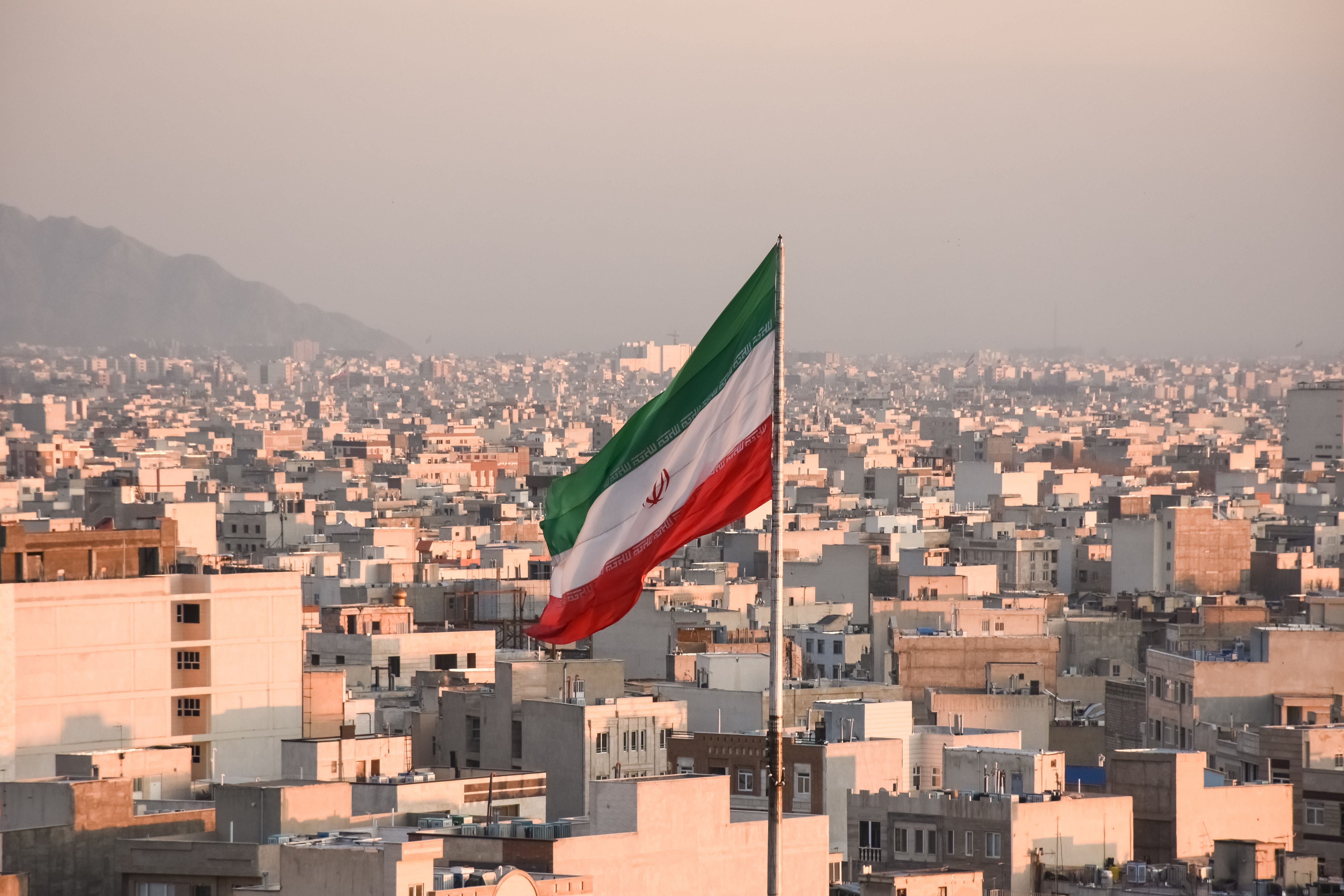
On the morning of 11 June 2026, the New York Times published a visual analysis arguing that a US strike on drinking-water reservoirs in the Hormozgan province of southern Iran may meet the legal threshold of a war crime. The piece, picked up rapidly by Iranian state-aligned channels Fars and Tasnim, is the first time a major American newsroom has used the phrase on its own front-of-book pages in connection with the strikes. Iranian foreign ministry spokesperson Esmaeil Baqaei called the targeting of civilian water storage "the peak of moral decay in the American governance system," a framing that has since become Tehran's official line.
The episode crystallises a question that has been building for weeks: when a US military action hits infrastructure that civilians depend on for drinking water, where is the line between a lawful military objective and a prohibited attack on objects indispensable to the civilian population? It is a question that sits inside the Geneva Conventions and their Additional Protocols, not in the editorial pages — and the fact that the New York Times is now asking it on its own visual-desk platform is, by itself, a measure of how far the conversation has moved.
What the Times actually published
The Times piece, distributed through its visual investigations desk, examined satellite imagery, geolocated ground video, and damage assessments from the strike on the Sirik area of Hormozgan province. Its conclusion, as paraphrased by Tasnim and Fars: "the available evidence shows that the American attack on Hormozgan water reservoirs can be an example of a war crime." The careful language — "can be an example," not "is" — reflects the journalistic posture of a newsroom that knows it is stepping into a legal argument it cannot finally adjudicate. War-crime determinations are reserved for courts and tribunals; the press can only assemble the evidentiary record.
The Targets of the Sirik strike, according to the same reporting, were drinking-water storage facilities serving local civilian populations. Iranian officials have released images they say show collapsed reservoir walls and contaminated supply. The visual evidence matters because international humanitarian law treats water infrastructure as a protected object unless it is being used for a clearly military purpose — a high bar that the Times analysis does not find met on the available record.
Tehran's framing: moral and legal
Iran's foreign ministry moved within hours. Baqaei's statement, distributed in Persian and English through Tasnim and Fars, described the strike as a "terrorist attack on water facilities" and as the high-water mark of what he called American moral decay. The language is deliberately harsh, and it is also deliberately legal: by calling the strike a "terrorist attack," Iran is borrowing a vocabulary that the United States itself has used to designate other actors, and asking why a different standard applies when the attacker wears a US uniform.
Fars News Agency, in its English wire, framed the New York Times piece as an admission of guilt — "American newspaper: Maybe we committed a war crime in Iran" — a headline construction that is, charitably, an editorial choice rather than a faithful summary. The Times did not confess; it questioned. But the gap between the American newspaper's hedged language and the Iranian wire's declarative headline is itself a small case study in how the same factual record can be read in opposite directions by audiences on either side.
The legal architecture underneath
International humanitarian law does not require certainty, only probability, before a strike is judged to have been disproportionate or directed at a protected object. The relevant rules, codified in Additional Protocol I to the Geneva Conventions, treat objects indispensable to the survival of the civilian population — drinking water installations, foodstuffs, agricultural areas — as protected, and prohibit attacks on them unless they are used solely to feed advancing forces or for other narrow military purposes. The burden of establishing that a water target is a legitimate military objective falls on the attacker, not the defender.
That is the standard the Times's visual analysis implicitly applies. By foregrounding the civilian character of the reservoirs and the absence of any documented military use, the analysis is doing the kind of evidentiary work that prosecutors, in another venue, would do. The US government has, in past operations, defended strikes on dual-use infrastructure by reference to the "intermingled" character of targets in modern war. That defence works less well for a dedicated drinking-water reservoir, where the civilian function is single-purpose and visible from the air.
Counter-narrative and what the sources do not say
The available source set is dominated by Iranian state-aligned outlets reporting on an American newspaper. The Times piece itself is paraphrased rather than quoted at length; the full text would need to be consulted before the legal claim is treated as final. US Central Command has not, in the materials reviewed, issued a public statement addressing the Hormozgan strike in those terms; the absence of a US on-record rebuttal is a feature of the news environment, not a fact about the strike itself. Readers should also note that Iran has an interest in framing US actions in the strongest possible terms, and that the line between war crime and tragic-but-lawful collateral damage is, in practice, drawn by tribunals that have not yet been convened.
What the record does support is narrower but still significant: a major American newsroom, working from open-source material, has publicly questioned whether a specific US strike on Iranian civilian water infrastructure meets the legal definition of a war crime — and an Iranian foreign ministry has, in response, used the moral vocabulary that the United States typically reserves for its adversaries. The symmetry of accusation, if not of evidence, is the structural story of the day.
Stakes and the next 72 hours
The immediate stakes are diplomatic. The Hormozgan strike joins a running list of US operations inside Iran that have, until now, been absorbed into a wider negotiation track. A formal "war crime" label, even one supplied by a newspaper rather than a court, changes the political chemistry: it gives European and Global South governments a vocabulary for criticism they have so far avoided, and it gives Iranian negotiators a cudgel at the table. Over a longer horizon, the question of who audits American targeting decisions — and through what legal standard — is now back on the agenda in a way it has not been since the early years of the post-9/11 conflicts.
For now, the evidentiary record sits where the Times left it: a visual analysis, hedged and sourced, sitting next to a foreign ministry's moral verdict, sitting next to a US silence. That is the shape the story will carry until one of the three moves — a CENTCOM briefing, a court filing, a leak of internal targeting materials — forces the others to follow.
— Monexus framed this as a question of international humanitarian law first, with the diplomatic and media-amplification layers treated as downstream. The wire consensus has not yet formed; the Times analysis and the Tehran response are the two poles around which it will organise.
Wire provenance
This editorial synthesis draws on the following public wire/social posts:
- https://t.me/FarsNewsInt
- https://t.me/farsna
- https://t.me/JahanTasnim
Follow the event.
These dated source records provide context. They do not retrospectively verify this archive article.
Separate what the nuclear watchdog reported from what it could not determine after the June 2025 strikes.