Raúl Jiménez's brace opens Mexico's 2026 World Cup on home soil
The Fulham forward's second-half double against the World Cup opener's opponent gave Mexico the lead it needed and offered the tournament's co-hosts a statement start.
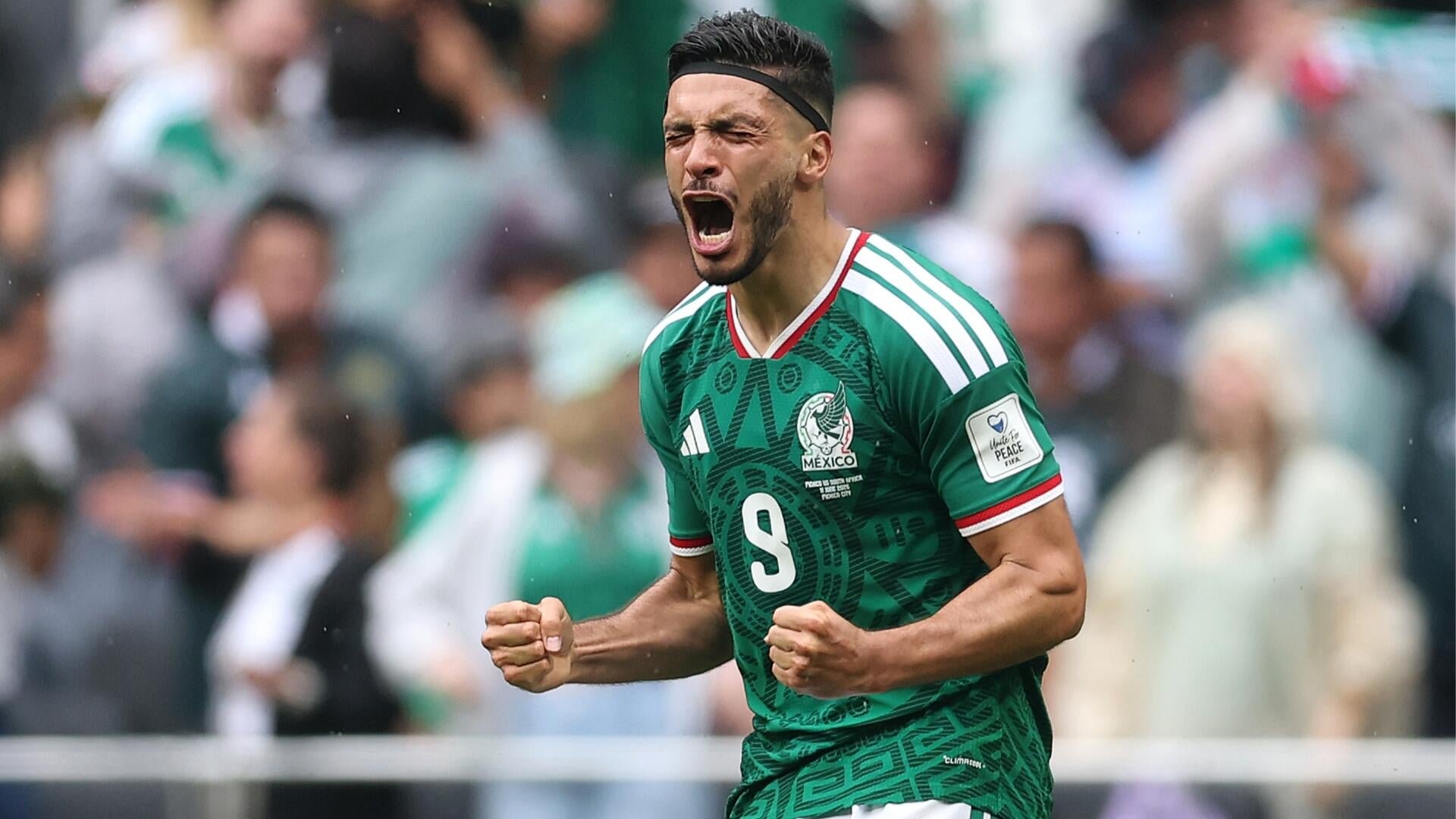
Raúl Jiménez needed 35 international caps and a decade of senior service before the tournament that mattered most. On 11 June 2026, the Fulham striker bagged a second-half brace in Mexico's opening match of the FIFA World Cup, the first edition staged across three North American countries and the first co-hosted by Mexico, the United States and Canada, according to FIFA's official match communications distributed via Telegram at 20:42 UTC.
The goals carried weight beyond the standings. Jiménez had never scored at a World Cup finals in five previous tournament appearances covering 2014 and 2018; the opener, played in front of a largely Mexican crowd, gave the co-hosts both a result and a narrative anchor on the night the tournament began.
What the goals settled
Mexico entered the match as one of three host nations and as the side with the longest continuous World Cup participation streak in the Concacaf region, a record that places domestic expectation on every opening fixture. A goal from Jiménez in the second half broke a deadlock that the first 45 minutes had refused to resolve, and a second extended the lead.
The finish also settled a personal question that had followed the 35-year-old forward through the build-up. His club form at Fulham in the 2024-25 and 2025-26 Premier League seasons had been productive but stop-start under recurrent injury management, and the Mexican federation's selection of him as a starter, rather than as a late-game substitute, was itself the talking point of the pre-match coverage.
The reaction captured in FIFA's own social channel, the federation's clip showing the striker's visible emotion after his first goal, captured something the tactical breakdowns cannot. World Cup goals are career-defining for the players who score them and politically charged for the federations that depend on them. For Mexico's football federation, the brace arrived in the slot of the tournament where it was most needed.
The host-nation frame
The 2026 tournament is the first World Cup organised under FIFA's expanded 48-team format, and the first hosted across three national jurisdictions. Mexico's role as the senior partner, with matches staged in Mexico City, Guadalajara and Monterrey, gives the federation a status that even strong group-stage performances from previous generations have rarely translated into deep runs.
Mexico's record in openers has been a recurring stress point: 2014, against Cameroon in Natal, was a comfortable win; 2018, against Germany in Moscow, produced a famous upset and then a second-round exit; 2022, against Poland in Doha, was a goalless draw. The pattern — bright starts, flat second weeks — has been the unspoken reference point for every analysis of this squad going into the home tournament.
A two-goal contribution from a senior striker against the opening opponent shifts the framing, at least for the 72 hours that follow the first fixture. The next test, and the round-of-32 permutations, will determine whether the brace becomes a memory or a turning point.
Stakes, squad depth and what the night hid
The opener is also a data point on squad construction. Mexico's head coach, Javier Aguirre, returned for a third stint in charge with a brief that has been explicit about integrating European-based regulars with Liga MX-developed talent, an arrangement that frequently produces tension over which club circuit sets the tactical vocabulary. Jiménez's selection, and the trust placed in a forward returning from a long injury lay-off, is the most legible signal of that balance.
The other stakes are commercial and reputational. Mexico is the largest market in the region by broadcast reach and by stadium capacity, and its matches are the only ones of the three host nations whose commercial leverage extends back to the 1970 and 1986 tournaments. A goal in the opening match, against the tournament's first opponent, registers with sponsors in a way that a knockout-round goal does not. The clips from the night will be used by broadcasters in highlight packages long after the squad has been eliminated, or lifted.
What the opener did not answer is the depth of the bench. A two-goal performance from the starting forward papers over the question of what the plan looks like if the opposition adjusts, if a card is picked up, or if fatigue sets in during the second match of the group. The squad list, the substitutions in the final 30 minutes, and the recovery metrics in the days that follow will be more diagnostic than the scoreline.
The other unknown is the opponent. The first match of a World Cup frequently produces a finalist that no one had pre-flagged, and a host that breezes past the opening opponent can find itself flat-footed against a counter-attacking side in the second fixture. The score, and the brace, are real. The test of whether they mean something will come in the next ten days.
This piece relies on the official match communication distributed by FIFA and the match reporting carried by The Athletic's news wire on 11 June 2026, both reaching Monexus via Telegram at 20:42 UTC. Monexus treats the tournament's opening fixture as a marker event, not as a verdict, and will track the squad's progression through the group stage in subsequent filings.
Wire provenance
This editorial synthesis draws on the following public wire/social posts:
- https://t.me/FIFAcom
- https://t.me/TheAthletic
- https://t.me/FIFAcom
- https://t.me/TheAthletic