SpaceX's $75bn IPO: a record debut with a quiet warning for smaller investors
Oppenheimer has initiated coverage of SpaceX at a $190 price target as the company heads toward a reported $75bn listing, but a TechCrunch investigation flags a less-celebrated group: lower-tier SPV buyers who may not know their real exposure until lock-ups lift.
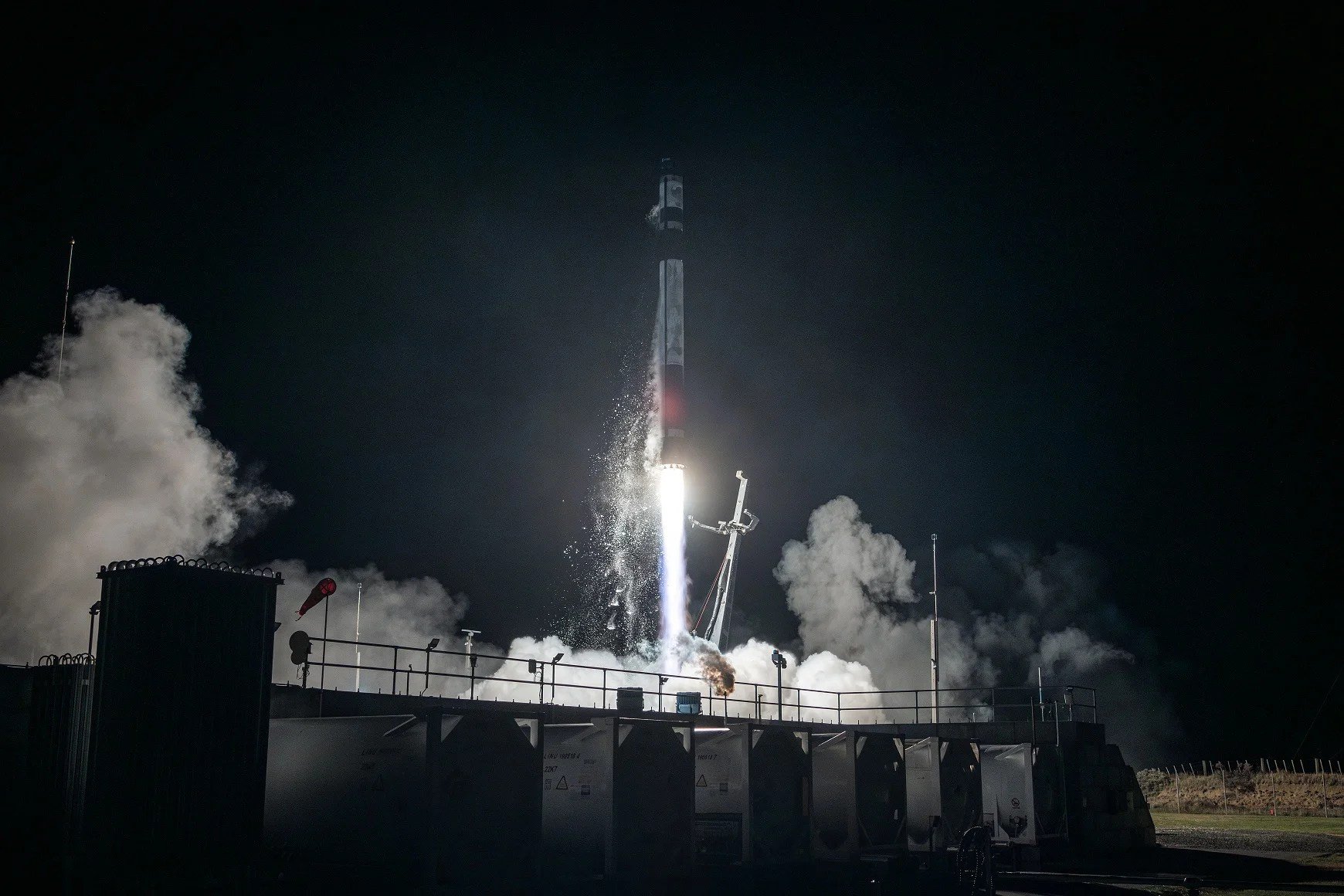
At 21:00 UTC on 11 June 2026, Reuters flagged what is shaping up to be one of the most-watched public listings of the cycle: SpaceX, the Elon Musk-controlled rocket and artificial-intelligence company, drawing attention on the strength of a reported $75bn initial public offering, with Oppenheimer becoming the first global brokerage to initiate coverage of the company (Reuters, via X, 11 June 2026, 21:00 UTC). Earlier the same day, Oppenheimer assigned SpaceX an "outperform" rating and a $190 price target (Unusual Whales summary of the Oppenheimer note, 11 June 2026, 16:37 UTC). The combination — a record-scale listing, the first sell-side stamp of approval from a global broker, and a price target well above the implied IPO range — is the kind of alignment that turns a private market into a public event almost overnight.
The headline figure, though, masks a quieter story that surfaced hours later. A TechCrunch report published on 11 June 2026 warned that lower-tier investors who gained exposure to SpaceX through special-purpose vehicles will not know their true holdings until post-IPO lock-ups lift, leaving them exposed to hidden fees, lengthy payout delays, and the risk of outright fraud (TechCrunch, 11 June 2026, 19:58 UTC). The same rocket ride that the institutional desks are pricing in is being sold, in fragments, to a different audience entirely.
A listing the Street has been waiting for
Oppenheimer's decision to begin coverage is itself the news. Until now, SpaceX has been a private asset, valued in secondary-market prints and SPV mark-ups rather than on a quoted tape. A global brokerage attaching a public price target is a signal that the deal team expects an actual listing — and expects demand to clear at a level that justifies the rating. The $190 target sits comfortably above the rumoured $75bn reference point, implying meaningful upside from the IPO price if the note is read literally. Reuters' framing — that the listing "draws attention" and that Oppenheimer is the "first global brokerage" to cover the company — is the wire's way of marking the moment the private market formally meets the public one (Reuters, 11 June 2026, 21:00 UTC).
For institutional buyers, the mechanics are familiar. A bookrunner builds a syndicate, allocations are made, lock-ups run for a defined period, and holders can mark positions daily against a live tape. Risk is transparent, fees are disclosed, and the path to liquidity is engineered, if not always comfortable.
The SPV buyer is playing a different game
The TechCrunch report describes a parallel market that has been running for years. Retail and smaller institutional investors who wanted SpaceX exposure before the IPO have typically done so through special-purpose vehicles — pooled entities that buy shares on the private market and pass economic interest to end investors. The vehicles advertise access to a scarce, high-demand asset. The fine print, TechCrunch warns, is where the risk lives: undisclosed fees, valuation methodologies that favour the vehicle's general partner, and payout mechanics that depend on lock-up expirations, distribution windows, and the willingness of the GP to redeem.
Lock-ups matter because they are the moment of truth. While they are in force, the SPV's reported NAV is whatever the GP says it is. Once they lift, the public price becomes the only price, and the gap between the SPV's book value and the market quote is revealed. TechCrunch's reporting suggests that for many of these vehicles, that gap will not be small. The piece specifically flags three risks for lower-tier SPV investors: hidden fees, lengthy payout delays, and the risk of outright fraud (TechCrunch, 11 June 2026, 19:58 UTC).
A structural feature, not a glitch
None of this is accidental. The private-markets ecosystem has spent the better part of a decade building distribution channels that bring pre-IPO exposure to investors who would not otherwise qualify for a primary allocation. The pitch is simple: scarcity plus demand plus a believable exit equals a return. The mechanics are more complicated. SPV fees commonly run in the low single digits annually, with carried interest and a waterfall on top; distribution waterfalls can be back-loaded for years; and the secondary transfer of LP interests is often restricted, leaving the end investor with limited optionality until a liquidity event forces a price discovery.
The structural concern is that the same product is being marketed to two different audiences simultaneously. To the institutional desk, SpaceX is a thesis trade with a transparent risk profile and a quoted exit path. To the SPV investor, SpaceX is a story attached to a contract whose terms were drafted by the counterparty. Both audiences are being told they are buying the same thing. They are not.
What the sources do — and don't — say
The available reporting is enough to establish three things: that a SpaceX IPO at a $75bn scale is being taken seriously by sell-side desks; that Oppenheimer has been the first global brokerage to put a number on it; and that a TechCrunch investigation has identified specific, named risks facing the smaller end of the SPV market. The sources do not specify the size of the SPV market for SpaceX exposure, do not name individual SPV sponsors, and do not quantify typical fee loads. They also do not address whether SpaceX itself bears any responsibility for how its pre-IPO shares have been packaged and resold — a question that becomes harder to avoid if the public listing proceeds and SPV investors discover the difference between the marketing materials and the realised return.
What is clear is that the next twelve months will be the moment of reckoning. If the IPO prices in the $75bn range and trades toward Oppenheimer's $190 target, the gap between SPV marks and the public quote may narrow quickly, and the warnings will look precautionary. If it doesn't, the warnings will look prescient, and the question of who was selling what, to whom, and on what terms will move from industry trade press into the regulatory perimeter.
Desk note: The wire coverage leads with the institutional story — the rating, the price target, the size of the listing. Monexus is leading with the secondary story, because the SPV investor is the party with the least information and the longest lock-up, and that is where the next round of private-market investor harm is most likely to originate.
Wire provenance
This editorial synthesis draws on the following public wire/social posts:
- https://reut.rs/3Qz309W
- https://x.com/unusual_whales/status/2065159153979682816
- https://x.com/reuters/status/206516000000000000
- https://www.sec.gov/Archives/edgar/data/0001067839/000106783926000012/0001067839-26-000012-index.htm